




Vinyl record boom in the UK for DP World
Apr 20, 2026 at 8:42 AM
Hannah Testani named Woman CEO of the year
Apr 20, 2026 at 9:14 AM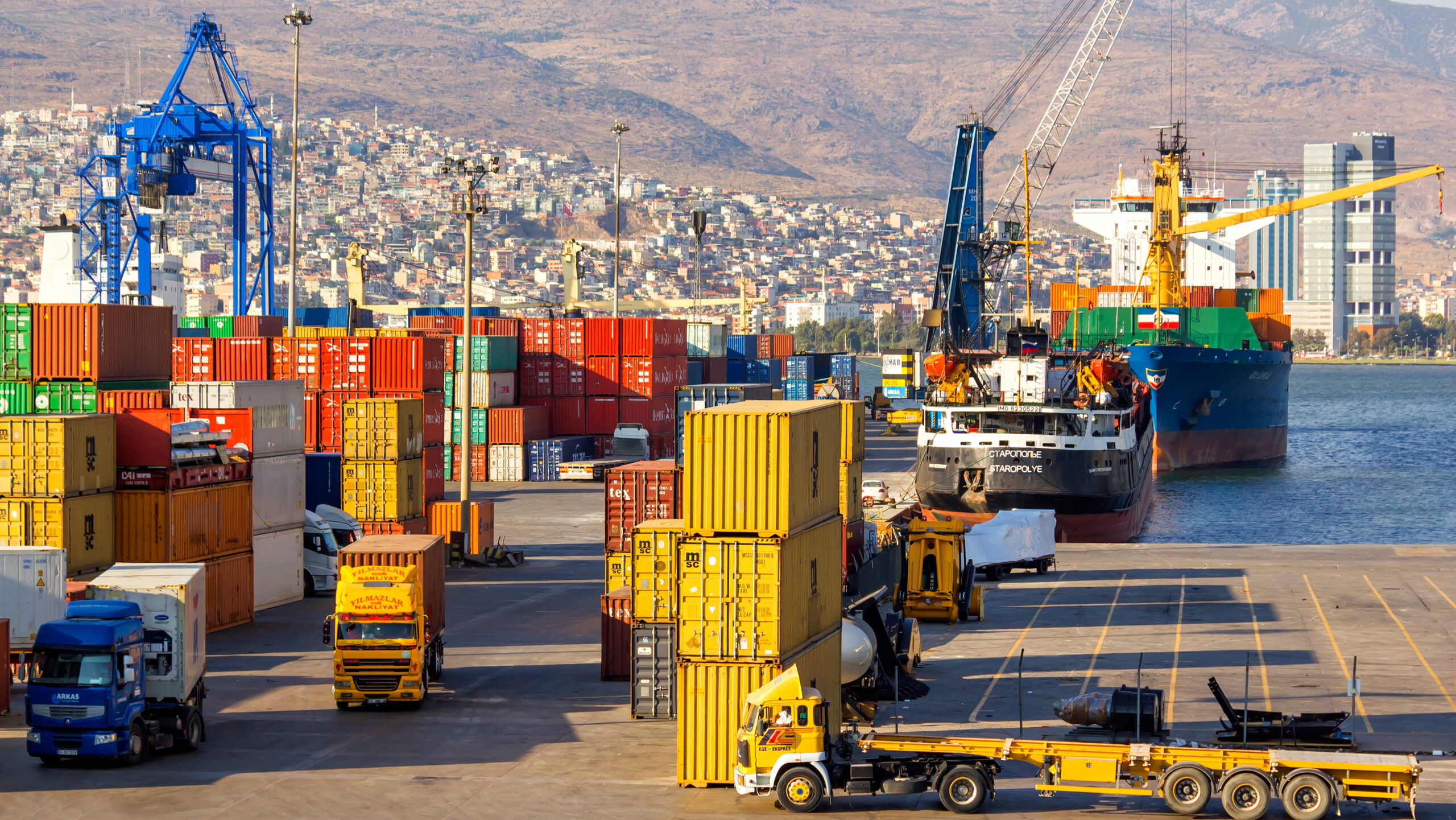
The closure of the Strait of Hormuz due to the conflict in West Asia has significant implications for global maritime transport. According to a statement from TradeWind, the simultaneous instability in the Red Sea has resulted in two of the most important shipping routes being blocked. This has caused container freight rates on the Asia–Europe route to rise by 70 to 160 percent, while transit times have been extended by 10 to 18 days. The reliability of transport has fallen to below 60 percent.
Changed trade flows
The crisis has fundamentally altered the understanding of global supply chains according to TradeWind. In 2024, about 75 percent of European clothing imports from Asia were affected, as ships were forced to take longer and more expensive routes around Africa. These developments led European buyers to increasingly seek suppliers in closer regions. As a result, demand for products from Turkey increased by more than 50 percent.
Turkey has established itself as an alternative according to TradeWind. Products can be transported by truck to distribution centers in Europe within three to five days, reducing dependence on maritime bottlenecks. Additionally, industrial products benefit from the customs union with the European Union, which allows for duty-free access. In 2025, Turkey recorded a record export of 273 billion USD.