



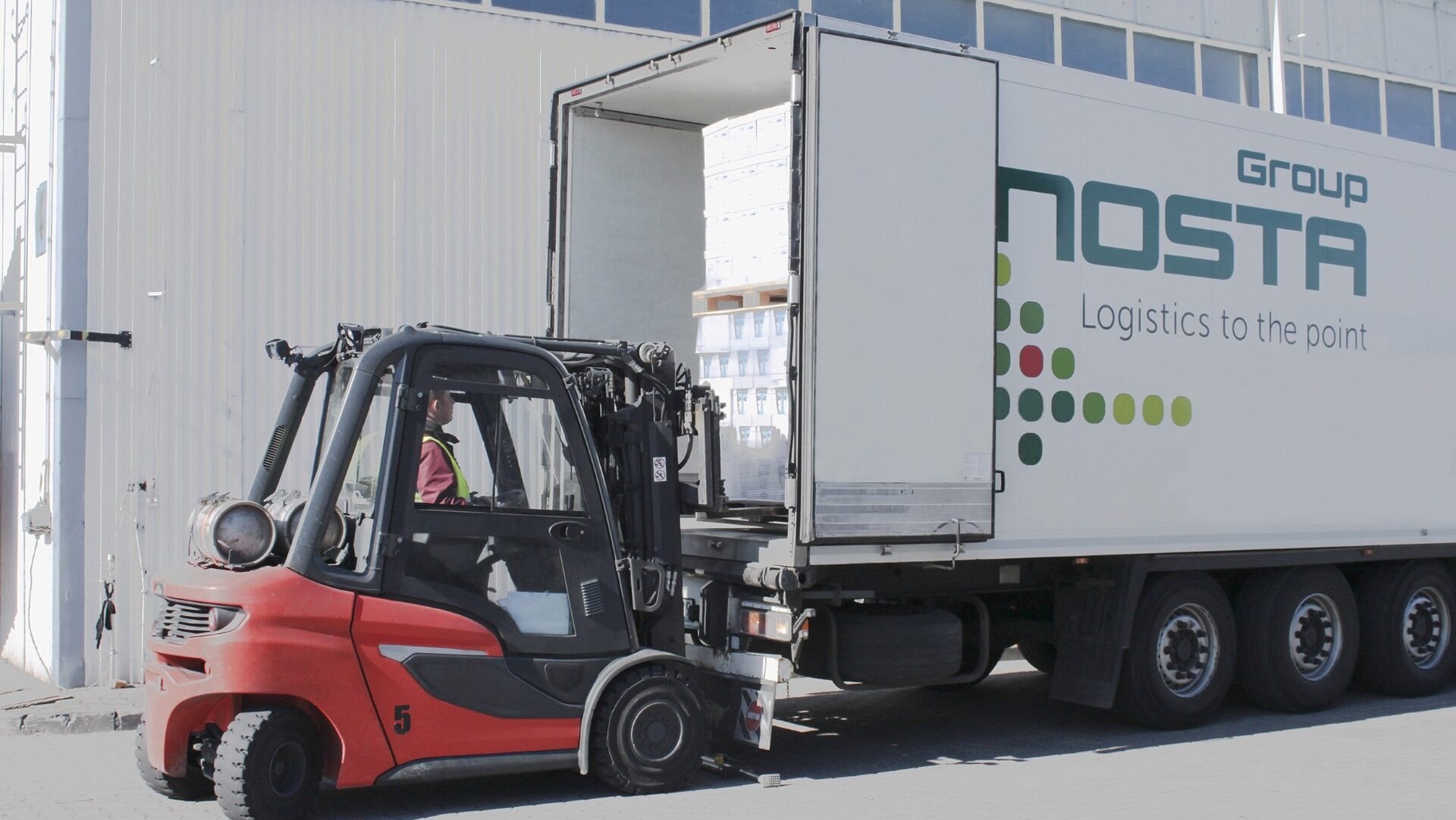
Ropel leads NOSTA’s refrigerated transport team in Poland
Mar 12, 2026 at 1:41 PM
Awery integrates IATA “CO2 Connect Tool”
Mar 12, 2026 at 2:13 PM
A new study for the European Maritime Safety Agency (Emsa) concludes that hydrogen-powered ships require design-based safety measures and stronger technical barriers to manage potential explosion risks.
DNV, an independent Norwegian company for risk management and quality assurance, has completed a multi-year study commissioned by Emsa and produced a non-mandatory guidance document examining the safety of hydrogen as a ship fuel. The analysis concludes that vessels using hydrogen must rely on design-based safety concepts and additional protective measures. Hydrogen can form flammable gas clouds quickly and has a very low ignition energy, which increases the risk of explosions.
Design solutions to reduce risks
Linda Hammer (pictured), a principal consultant at DNV and the lead author of the report, said that “the study concludes that safety for hydrogen-fuelled ships has to be based on a first line of defence that includes robust containment, secondary enclosures and automated protection systems. This reflects both the speed at which hydrogen incidents can escalate and the limitations of detection and response once a release has occurred, particularly in complex maritime environments.”
The report recommends that hydrogen systems on ships include secondary enclosures around all fuel carrying components, including installations on open decks. These barriers would limit the impact of leaks and support safer operations.
Researchers also highlight occupational risks for crews. Hydrogen’s high flammability and extremely low storage temperatures introduce new hazards. As a result seafarers require specialised training to identify risks and respond effectively to incidents. Clear procedures and strong safety systems remain essential.
The study emphasises that technical containment, automated protection systems and structured safety management must work together to reduce risks as hydrogen technologies gradually enter maritime transport.