


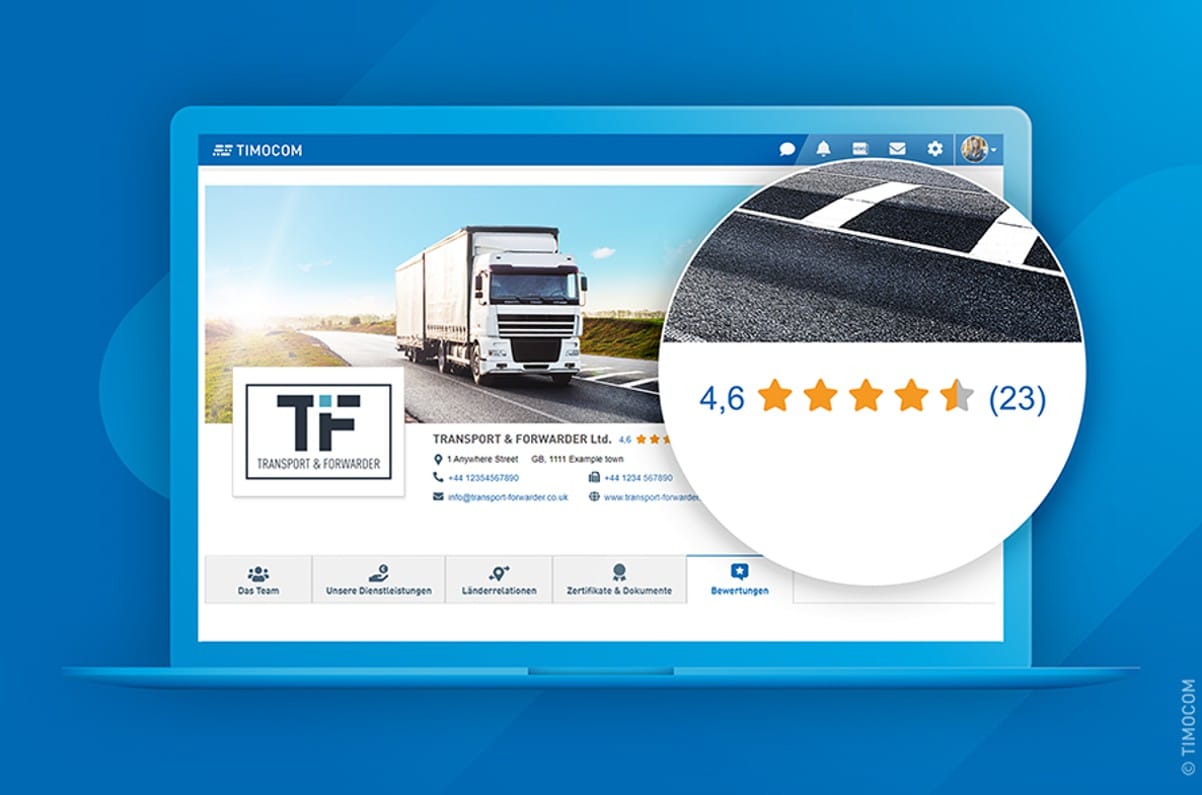
TIMOCOM Introduces Five-Star Rating System
Feb 2, 2022 at 6:27 PM
Logivest brokers logistics property to Westech-Solar Energy
Feb 3, 2022 at 6:03 PM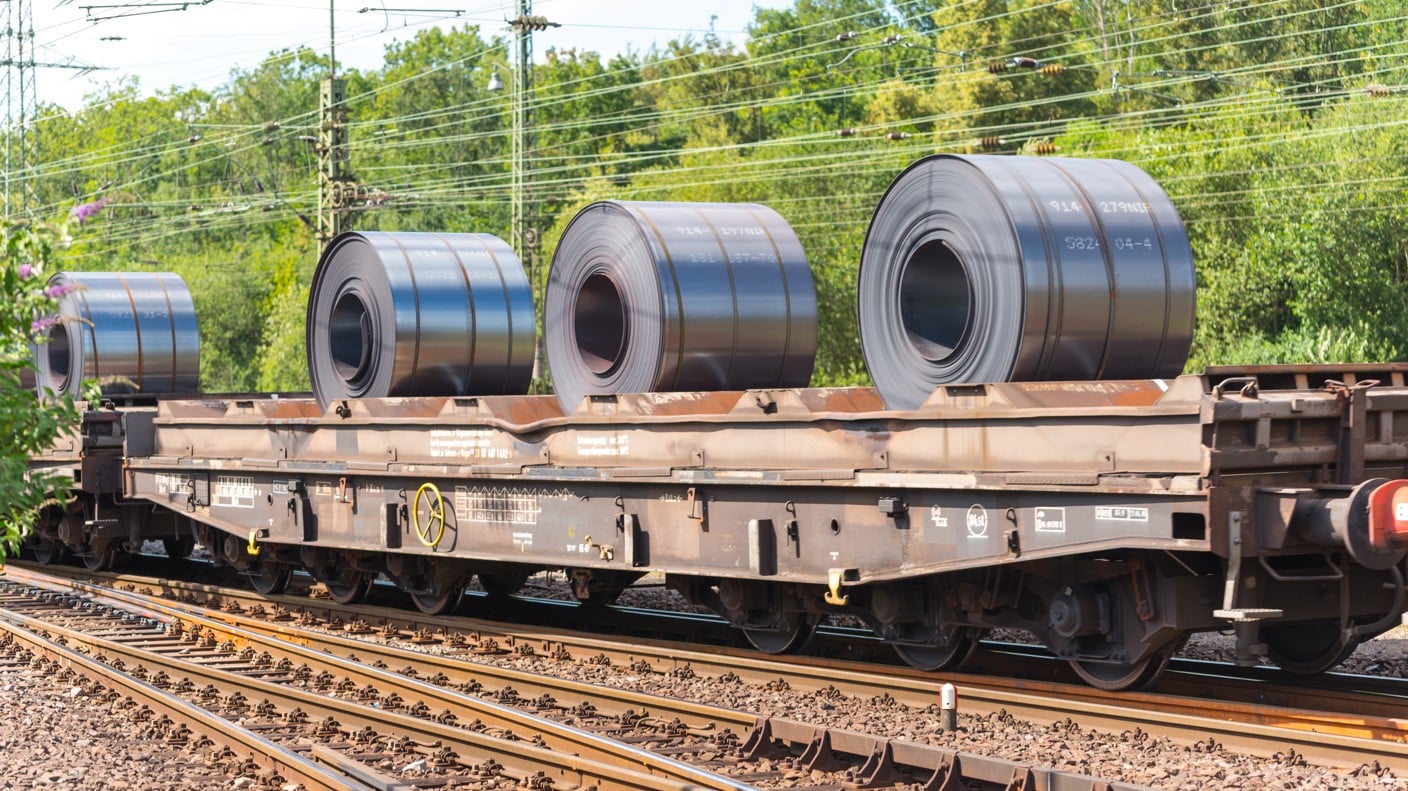
On Wednesday afternoon, the Vice President of the non-profit transport initiative Pro Mobilität e.V., BGL board spokesman Prof. Dr. Dirk Engelhardt, presented the study “Fact Check Freight Transport in Germany – From Missing Infrastructure to Relocation Potential” in an online press conference. The study was prepared by the Institute of the German Economy Cologne (IW) e.V. under the leadership of IW Senior Economist Thomas Puls on behalf of Pro Mobilität.
(Frankfurt/Hamburg) The aim of the fact check was to investigate the relocation potential of rail in freight transport. After each government has repeatedly called for more relocation to rail, it was necessary to determine: How much freight traffic can rail really handle?
Key Findings:
- Freight transport is an indispensable and unavoidable foundation of our prosperity. Consumers are increasingly using online shopping, which leads to rising freight traffic.
- The structural condition and capacity of the transport infrastructure (road and rail) are already inadequate for today’s demands, and even less so for future ones: Not only must massive investments be made here – the planning duration must also be significantly shortened and the organization of construction execution optimized!
- Different modes of transport serve different markets: Rail and inland shipping dominate bulk transport over long distances, while trucks lead in construction, food, and regional distribution.
- Conclusion: The relocation potential is severely limited. Traditional rail freight goods, such as coal and mineral oil products, will lose significance. Due to the structure of the transported goods, a shift from truck to rail is quantitatively simply limited. The booming online trade requires fine distribution with trucks due to the small size of shipments.
- Where is there still potential? Combined transport road/rail has been the most important growth segment in rail freight transport for years, and this is where the greatest relocation potential for the future lies, which needs to be tapped!
Do not play road and rail against each other
Pro Mobilität Vice President Prof. Dr. Dirk Engelhardt: “Such a fact check was long overdue. For decades, German politics has been promoting transport relocation – with very limited success. There are reasons for this, as the study now shows. On the one hand, enormous financial, legal, and organizational efforts are required to make the transport infrastructure in Germany fit for the future – this applies to both road and rail! On the other hand, the two modes of transport must not be played against each other, but must be integrated! This works best in combined transport road/rail.
Regardless, it should be noted that all forecasts consider trucks to be the quantitatively most important mode of transport even in 2050. This shows, with regard to climate protection: The key to climate-neutral freight transport lies in the decarbonization of the energy supply of truck transport.”
Individual modes of transport in overall systems
And Thomas Puls from the Institute of the German Economy Cologne explains: “A high-quality and comprehensive coverage with freight transport services will only be possible if the strengths of the individual modes of transport are combined in an overall system. A competition between road, rail, and waterways is the sure way to failure, as none of the modes of transport will be able to take over the transport tasks of another in the foreseeable future.
All modes of transport are currently facing significant problems. Trucks and railways are experiencing a noticeable shortage of driving personnel. Additionally, there is an overloaded infrastructure. Particularly on the main corridors of freight transport in Germany, capacities are fully utilized, and overdue renovations cause significant disruptions in the flow of goods.
Germany is the logistical heart of the European economic area. The problems arising from long-distance transport cannot be solved without close coordination with neighboring countries.
In the future, primarily via road
Freight transport in Germany will continue to grow. For example, the coalition agreement envisions a significant expansion of construction activities in Germany. Housing construction, infrastructure renovation, and the expansion of wind energy require the transport of large quantities of materials – and this will primarily be handled by trucks.
Pro Mobilität study “Fact Check Freight Transport in Germany” available for download
Photo: © Loginfo24/Adobe Stock