




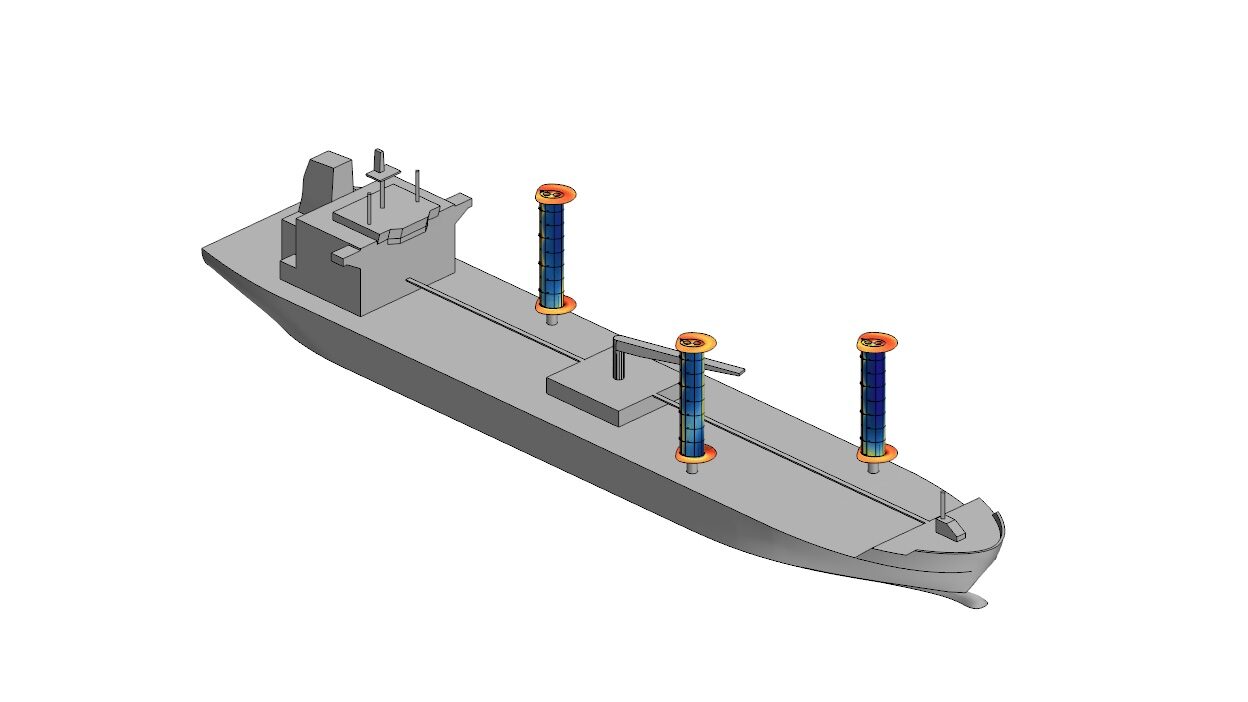
bound4blue validates wind propulsion with ABS
Jul 2, 2026 at 7:54 AM
Global K9 Calls for FREDDs for aircraft engines
Jul 2, 2026 at 8:24 AM
Alex Gregg-Smith assumed the position of Chairman of the IACS Council on July 1, 2026. The President of Marine & Offshore at Bureau Veritas was unanimously elected by representatives of the twelve member organizations in December 2025. In preparation for his term, Gregg-Smith chaired the 93rd meeting of the IACS Council, which took place on June 17 and 18 in Busan, South Korea. In his opening speech, he emphasized the need for apolitical, technical leadership from IACS to maintain the quality of shipping standards worldwide. Given geopolitical unrest and disruptive technologies, it is crucial for IACS to have a strong voice in current technical and regulatory debates.
Regarding his appointment, Alex Gregg-Smith stated, „It is a great honor to lead IACS at this critical time.“ He highlighted the necessity of leveraging the opportunities presented by new technologies and digitalization to develop solutions for improving safety and performance. Gregg-Smith pointed out that the changing geopolitical realities and market conditions make the role of IACS and classification more important than ever.
Priorities and discussions in the IACS Council
Gregg-Smith’s priorities became evident in the subsequent discussions of the Council. Members focused on ensuring the highest quality standards in their operations. This included enhanced collaboration with the Quality Advisory Committee and the International Quality Assessment Review Body (IQARB). Additionally, a renewed commitment to technical leadership and the development of digital solutions for IACS stakeholders was discussed. This is to be achieved through a comprehensive modernization of the structure and the publication of IACS resolutions and other publications.
The IACS Council reaffirmed its members‘ commitment to providing impartial, non-commercial advice to the International Maritime Organization (IMO) and other regulatory bodies. These contributions are valued by member states, intergovernmental organizations, and non-governmental organizations. The Council emphasized that the role of classification as a cornerstone of maritime safety should be fully recognized. The expertise of classification should be integrated from the earliest design phases of maritime safety policies.
Another important point of discussion was the need to provide uniform technical minimum requirements within the regulations of classification societies. This aims to help the industry safely and swiftly introduce new technologies and alternative fuels. The IACS Council stressed that regulatory oversight should respect the benefits of the classification cycle.