




Hapag-Lloyd and Kuehne+Nagel plan to reduce emissions
May 11, 2026 at 10:53 AM
ČD Cargo boosts freight transport in Europe
May 11, 2026 at 1:28 PM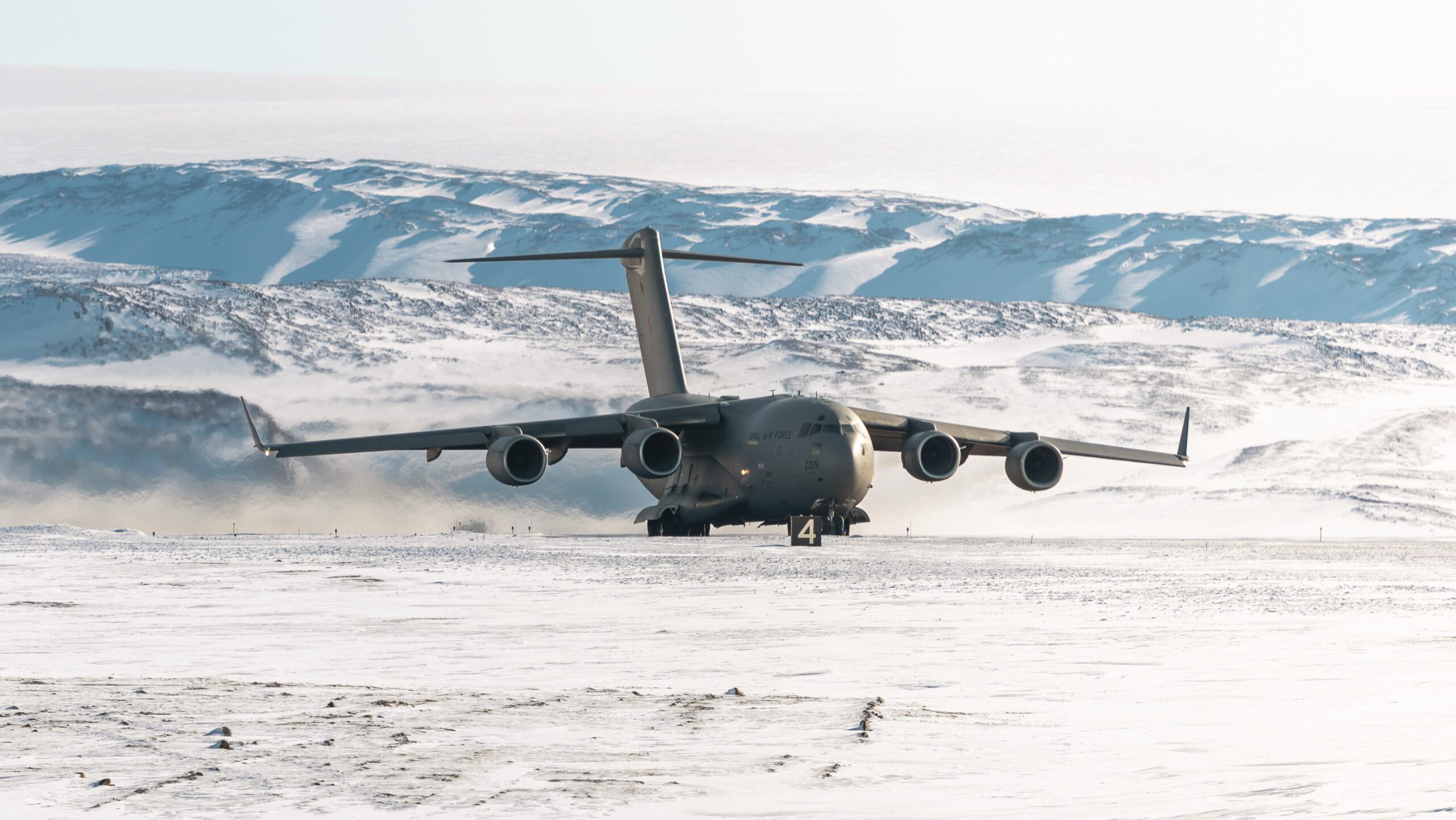
The Royal Air Force (RAF) landed a C-17A Globemaster at the Canadian military base CFS Alert in April, located 1,770 km north of the Arctic Circle. This base is considered the northernmost permanently inhabited settlement on Earth and plays a crucial role in supporting NATO operations as well as in climate change research.
CFS Alert is situated at 82.5 degrees north latitude and is almost entirely surrounded by the Arctic ice sheet, which melts for only 30 days a year. During this time, however, the ice sheet is too shallow for supply ships, which is why the delivery of essential goods occurs exclusively via a semi-prepared runway made of gravel and compacted snow, measuring less than half the length of a normal runway. To provide the few hundred residents of the station with heat and functioning technology, the Royal Canadian Air Force (RCAF) must deploy C-17 transport aircraft twice a year to deliver nearly 1 million liters of kerosene needed for heating and communication devices. For the first time, the RAF participated in this mission to further develop its capabilities in the Arctic.
“The flight to the High Arctic is challenging, especially when the weather can change rapidly. That’s exactly why this activity is so important. Working with our Canadian colleagues has shown how closely our air forces collaborate. The C-17 performs excellently in these conditions, and it is a privilege to contribute to a mission that is critical for operations in Alert,” explained Flight Lieutenant Mike Chandler, pilot of the 99 Squadron.
The crews of the 99 Squadron, operating from Pituffik Space Force Base in Greenland, have conducted a total of eight flights to Alert, delivering nearly 300,000 liters of kerosene to the “Frozen Chosen” to ensure the safety of NATO operations in the north.
Strengthening cooperation with Canada
In addition to developing capabilities for operating on frozen runways, the crews have also intensified collaboration with the RCAF by fully integrating operations, logistics, and technology. They also flew with mixed crews on each other’s aircraft, which has been rare since World War II.
“This is a powerful demonstration of the reach, readiness, and capability of the RAF. Operating thousands of miles from the UK, under extreme cold conditions and with limited infrastructure, proves that we can generate operational air mobility wherever it is needed. Our partnership with Canada is strong; we are committed to working together with one of our closest allies for security and stability in the High North,” said Air Commodore James, commander of the Air Mobility Force.
The C-17 transport aircraft of the 99 Squadron from RAF Brize Norton have proven themselves as workhorses of the RAF over the past 25 years, being deployed in various operations from Afghanistan to Iraq, as well as in numerous humanitarian missions. They have demonstrated their ability to operate from remote and rugged locations and transport heavy loads over long distances while operating in extreme temperatures.