




WDP acquires land in France
May 11, 2026 at 10:08 AM
Hapag-Lloyd and Kuehne+Nagel plan to reduce emissions
May 11, 2026 at 10:53 AM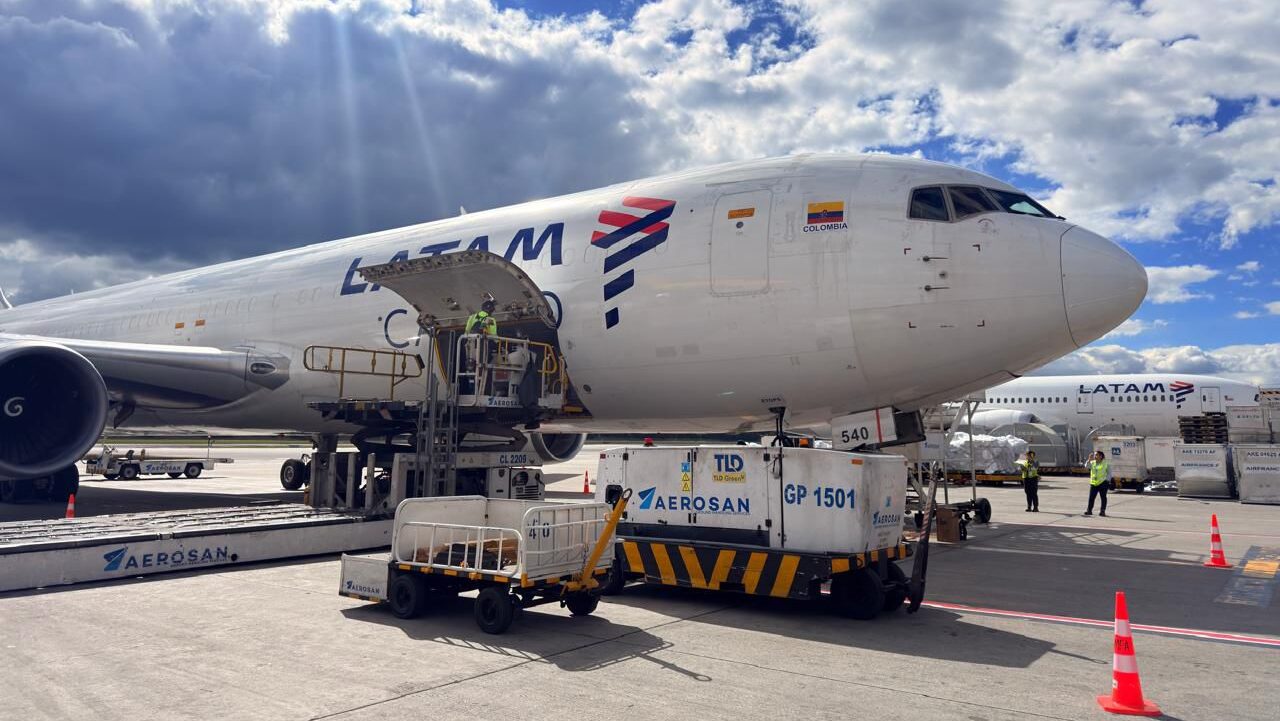
LATAM Cargo has once again taken a leading role in the transport of flowers from South America during the season celebrated yesterday for Mother’s Day 2026 in more than 50 countries worldwide. Over a period of 21 days, the cargo companies of the LATAM Group transported a total of 24,400 tons of fresh flowers from Colombia and Ecuador to key markets across three continents. This season was characterized by careful planning and precise operational processes.
Successful logistics and planning
The LATAM Group was able to solidify its status as the market leader in floral air freight from the region for the fourth consecutive time. Claudio Torres Faini, International Commercial Director for South America at LATAM Cargo, emphasized the importance of collaboration between the commercial and operational teams. “Prior coordination ensures that safety belongs not only to us but also to the producer, who knows that their product will arrive on time and in optimal condition, as well as to the importer, who can enter into commercial commitments based on real capacities,” explained Torres Faini.
The logistics operation was coordinated from three departure airports – Bogotá, Quito, and Medellín – with over 430 special flights conducted for the season. To maintain this standard, the number of ground staff was more than doubled compared to a regular week to strengthen the areas of ramp operations, warehousing, and supervision at all three hubs.
Growth in new markets
Close collaboration with growers and exporters was crucial for the success of the season. Thanks to the early availability of volume data, the necessary resources along the entire supply chain could be scaled – from the receipt of goods in the warehouse to the completion of each flight frequency. The total volume transported corresponds to approximately 560 million stems. This means that during the 21 days of the season, more than 300 stems per second were shipped from South America to target markets across three continents.
The USA accounted for the largest share of the transported volume, reflecting the historical demand structure. Additionally, dynamic growth was recorded outside this corridor: significant increases were observed in Oceania, Europe, Chile, and Brazil, indicating that the demand for fresh flowers from Colombia and Ecuador continues to grow in less traditional consumer markets.