





Daimler Truck acquires eStar Truck & Van in the UK
May 5, 2026 at 10:54 AM
Turkish Cargo launches new website
May 5, 2026 at 11:06 AM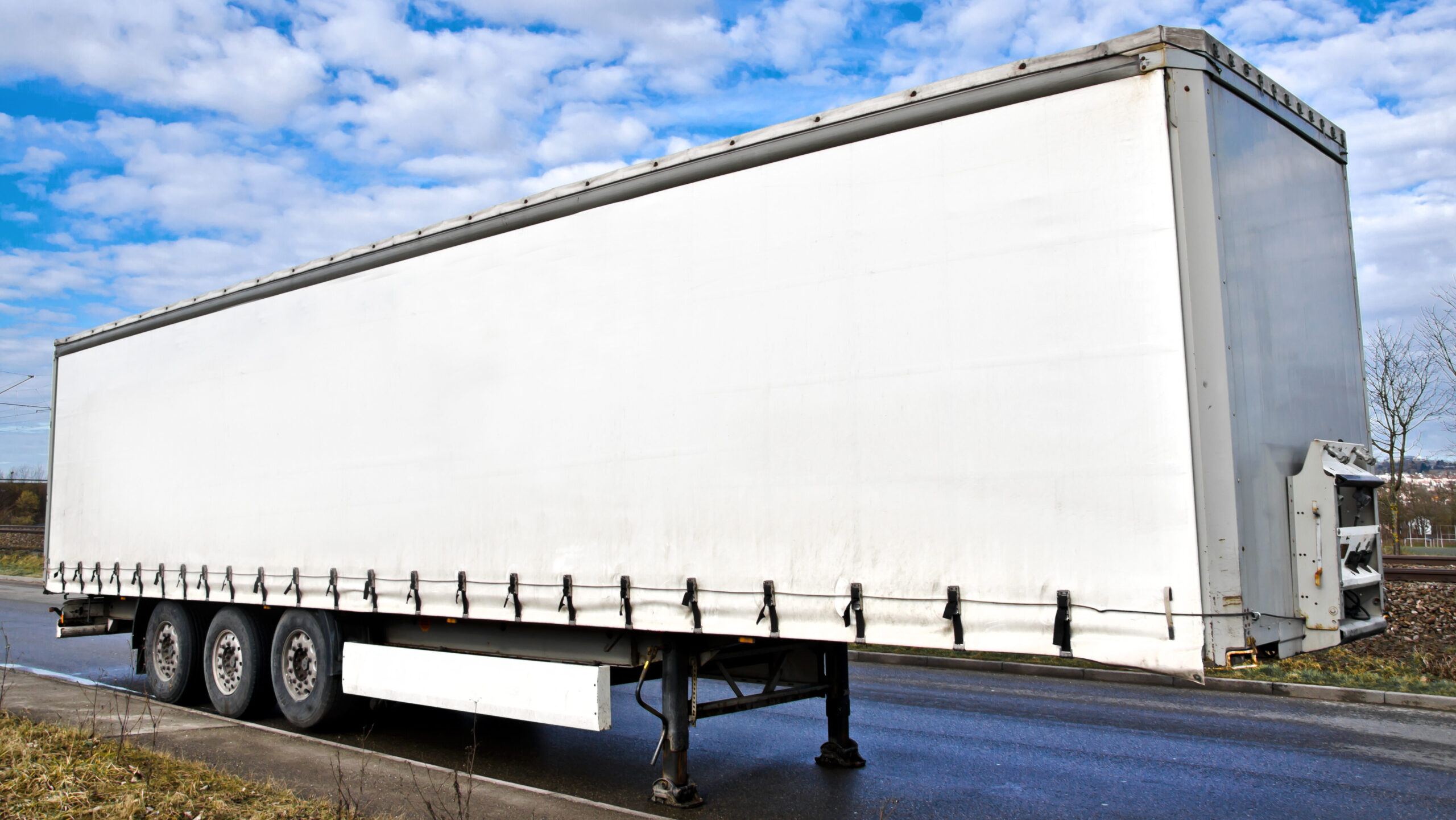
The members of the European Parliament’s Transport Committee supported a proposal from the European Commission on Tuesday with 31 votes in favor, 10 against, and one abstention to update the EU road charging rules for vehicles. The aim is to consider the impact of trailers and semi-trailers on the CO2-emission differentiated fee structure for heavy-duty vehicles such as trucks and buses. Although trailers themselves do not produce emissions, they affect the overall energy consumption of a vehicle combination by reducing total emissions. The members are convinced that the use of efficient trailers should be rewarded with lower toll fees.
Reduced toll fees for low-emission vehicles
Given the slow progress in the introduction of zero-emission heavy-duty vehicles, the Transport Committee wants to create a temporary incentive for low-emission vehicles, particularly for vehicles with factory-installed range extenders. The members propose that EU countries granting toll exemptions for zero-emission vehicles may apply a 75% toll reduction for low-emission vehicles until June 30, 2031.
The members point out that electrified transport refrigeration units, which are battery-powered or designed as plug-in systems and replace diesel units for cooling cargo in trucks and trailers, can significantly contribute to the decarbonization of road transport. Therefore, they argue that EU countries should be able to offer a reasonable reduction in tolls and usage fees for vehicles equipped with these units.
Simplification of regulations
To increase legal clarity and reduce implementation and administrative barriers, the members have also decided to align the current EU rules on road usage fees more closely with the EU guidelines on CO2 emission targets for trucks and buses. New CO2 emission standards for trucks and buses will come into effect on July 1, 2026, and the EU road charging rules should reflect this development.
Next steps
With 35 votes to 6, the members of the Transport Committee also decided to initiate discussions with EU countries regarding the final design of the legislation. This decision requires the approval of the entire Parliament, which will meet in mid-May.
Background
The current EU road charging rules, established in the Eurovignette Directive, do not obligate EU countries to charge vehicles for using their roads. However, if they choose to do so, they must adhere to the fee principles set out in the directive. The toll exemption for zero-emission trucks and buses also remains optional.