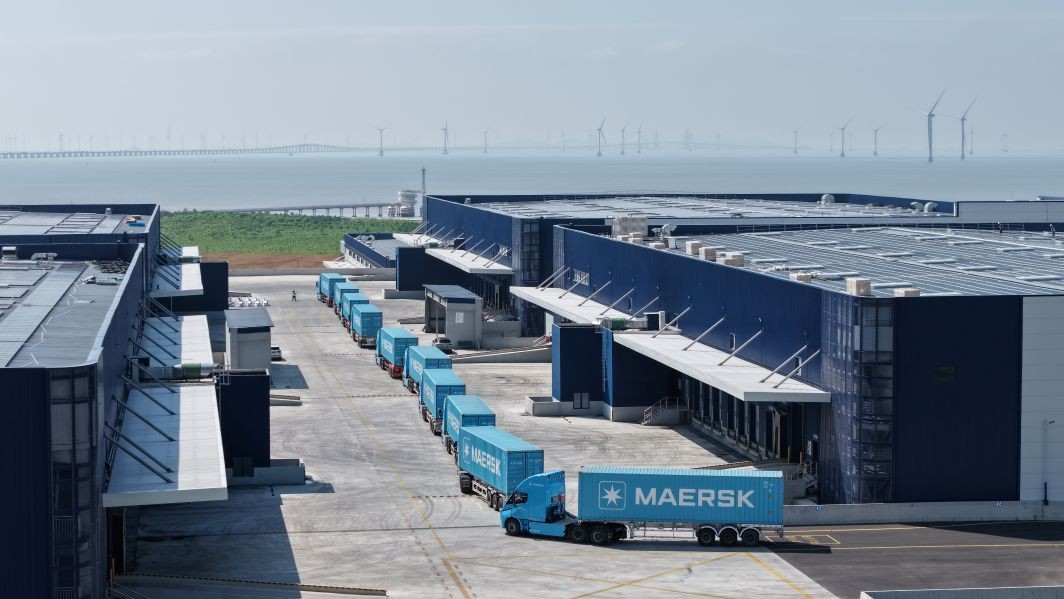





Bartrums expands fleet with 15 trailers
Apr 28, 2026 at 8:41 AM
Mark Gower appointed Director of Global Airport Operations
Apr 28, 2026 at 9:05 AM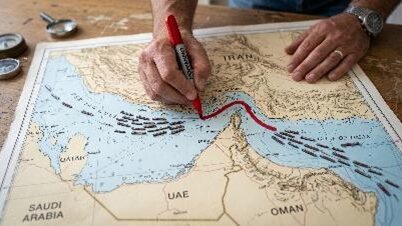
The deactivation of the ‚Automatic Identification System‘ (AIS) on ships operating in high-risk areas such as the Strait of Hormuz only seemingly conveys improved safety, according to Cydome. Cydome, a specialist in maritime cybersecurity, warns that ships remain electronically locatable even with AIS turned off.
The reason for this is other digital interfaces, particularly VSAT satellite connections, which continuously transmit data. Even if a ship becomes invisible to traditional tracking systems, its position can still be detected through these channels. Cydome points out that an exclusive focus on AIS deactivation can even increase risks.
According to Cydome, this is due to the fact that „the crew believes it is hidden, while threat actors can still track and target the ship via its VSAT signature. Failing to bridge this gap doesn’t just risk a data breach; it could risk the physical safety of the crew, the integrity of the cargo and much more.“
Research also shows that many VSAT systems are inadequately secured and present potential attack points. Furthermore, they can serve as an entry point into onboard networks and affect critical systems.
The company therefore recommends a comprehensive security approach. This includes securing communication systems, regular updates, and reducing the overall digital attack surface onboard.