



SEPARATION AG now offers automated quality control
Oct 12, 2023 at 6:38 PM
BGL Protests to the EU Against Tyrolean Blockade Traffic Policy
Oct 12, 2023 at 7:24 PM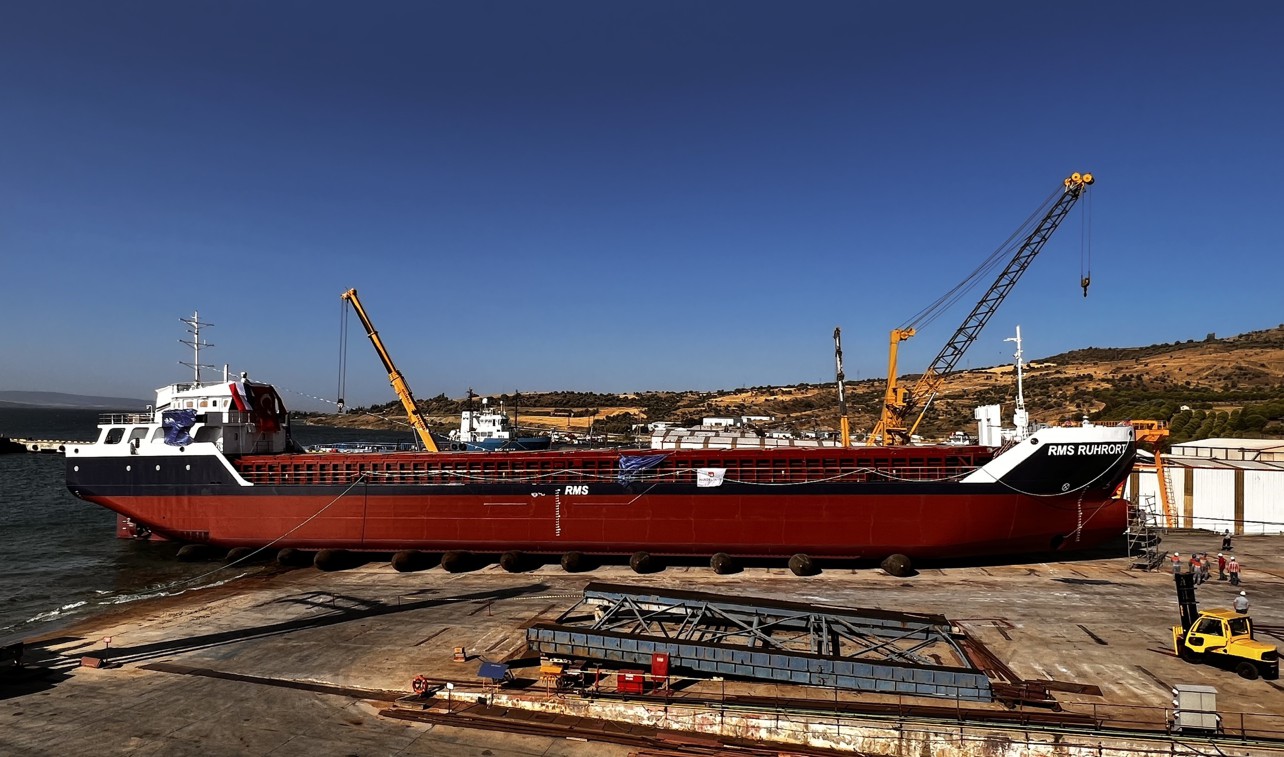
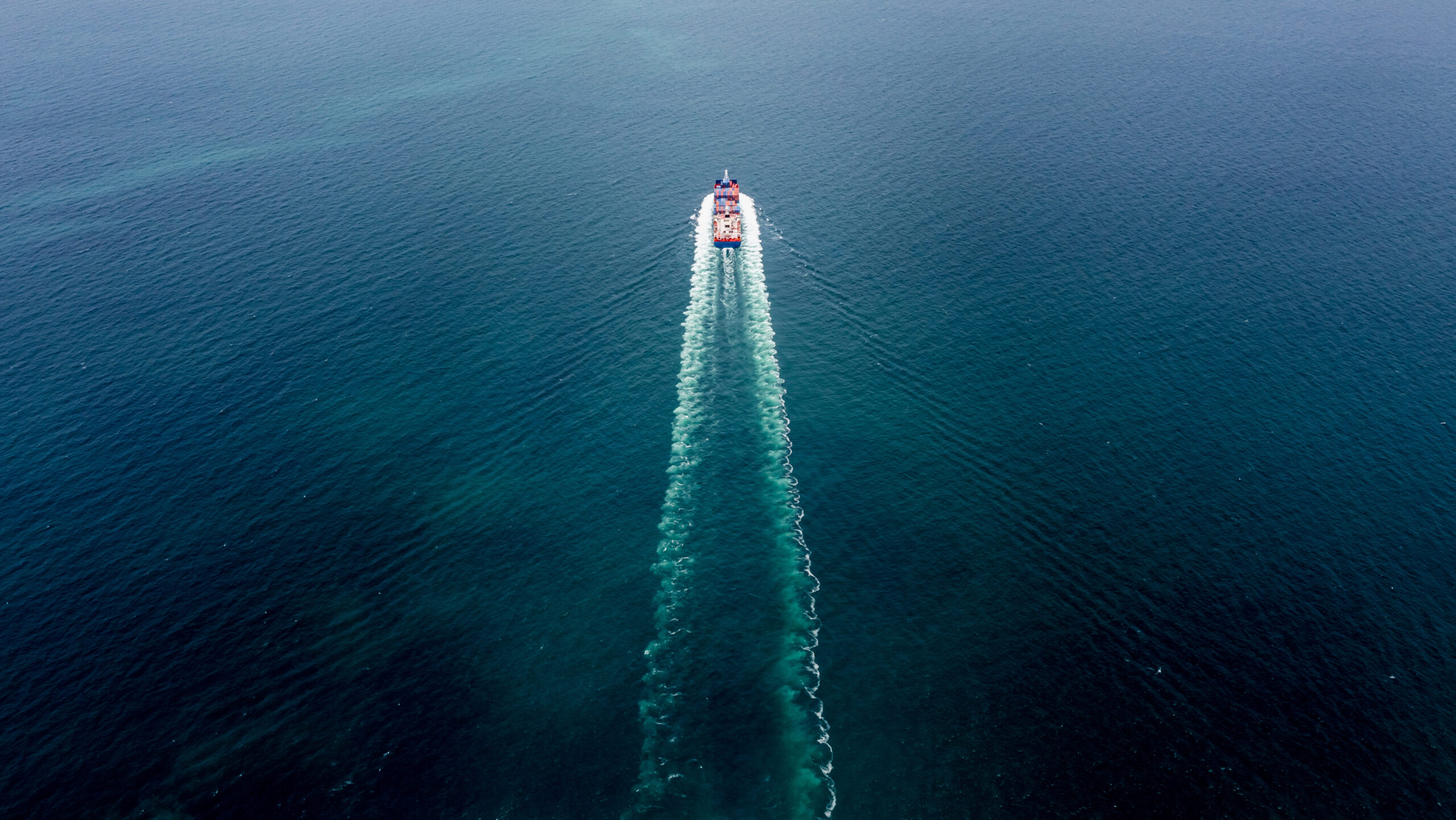
With the RMS Ruhrort, Rhenus Maritime Services (RMS) expands its fleet with a new coastal motor vessel. The special feature: The engine of the RMS Ruhrort is pre-equipped to use methanol as fuel. Methanol is considered one of the environmentally and climate-friendly ship fuels of the future, alongside hydrogen and ammonia.
(Duisburg) Until that time, the RMS Ruhrort operates with a diesel engine and is already equipped according to the latest technical standards to meet current and future CO2 regulations.
Rhenus acquired the RMS Ruhrort as a hull from a Romanian shipyard, where the hull was commissioned by a Norwegian shipowner but not completed. Rhenus transferred the ship to a Turkish shipyard, where it is currently being fitted out by Handelskade Shipsales BV from Dordrecht as the general representative. “The hull fits perfectly into the portfolio of our existing fleet. It has a size that has hardly been built for European coastal shipping in recent years. Ships of this design and size are usually older than 20 years and technically outdated. While we cannot change anything about the steel hull, we can focus on equipping it with a low-emission propulsion system and the latest digital technology on the bridge, so that the RMS Ruhrort is well-prepared for the future,” says Ralf Uebachs, Managing Director of Rhenus Maritime Services.
Easy Conversion
The decision was made for a low-emission Mitsubishi eight-cylinder diesel engine that is “methanol-ready.” “Should shipping agree on an alternative fuel, the engine can be converted to a nearly climate-neutral ‘methanol engine’ with little effort. To save emissions already now, we have reduced the power of the diesel engine from the standard value of 1,350 kW to 1,100 kW. It is perfectly sufficient to travel at 10.5 instead of 12 knots,” explains Menno van der Plas from Handelskade Shipsales BV.
To make the RMS Ruhrort as environmentally friendly as possible, a nozzle was installed around the ship’s propeller, and a paint was used for the exterior coating that reduces resistance during travel. Both save fuel and significantly lower CO2 emissions. Other environmentally friendly measures include an SCR catalyst that prevents nitrogen emissions and a ballast water treatment system to protect marine flora and fauna from foreign organisms. Furthermore, the ship also meets the stricter requirements of the Energy Efficiency Design Index (EEDI) – a value that represents the specific CO2 emissions of cargo ships.
Seaworthiness is Tested
After its completion, the RMS Ruhrort can be used for global shipping. The advantage: Thanks to its more compact design, it can be deployed in niche shipping, such as on the Rhine. Before that, in mid-October, the so-called sea trials will take place, during which the seaworthiness of the hull will be thoroughly tested and the ship will be approved for sea travel. The RMS Ruhrort has a cargo capacity of 2,950 DWAT and will exclusively transport dry goods such as steel rolls or wheat.
Photo: © Rhenus