



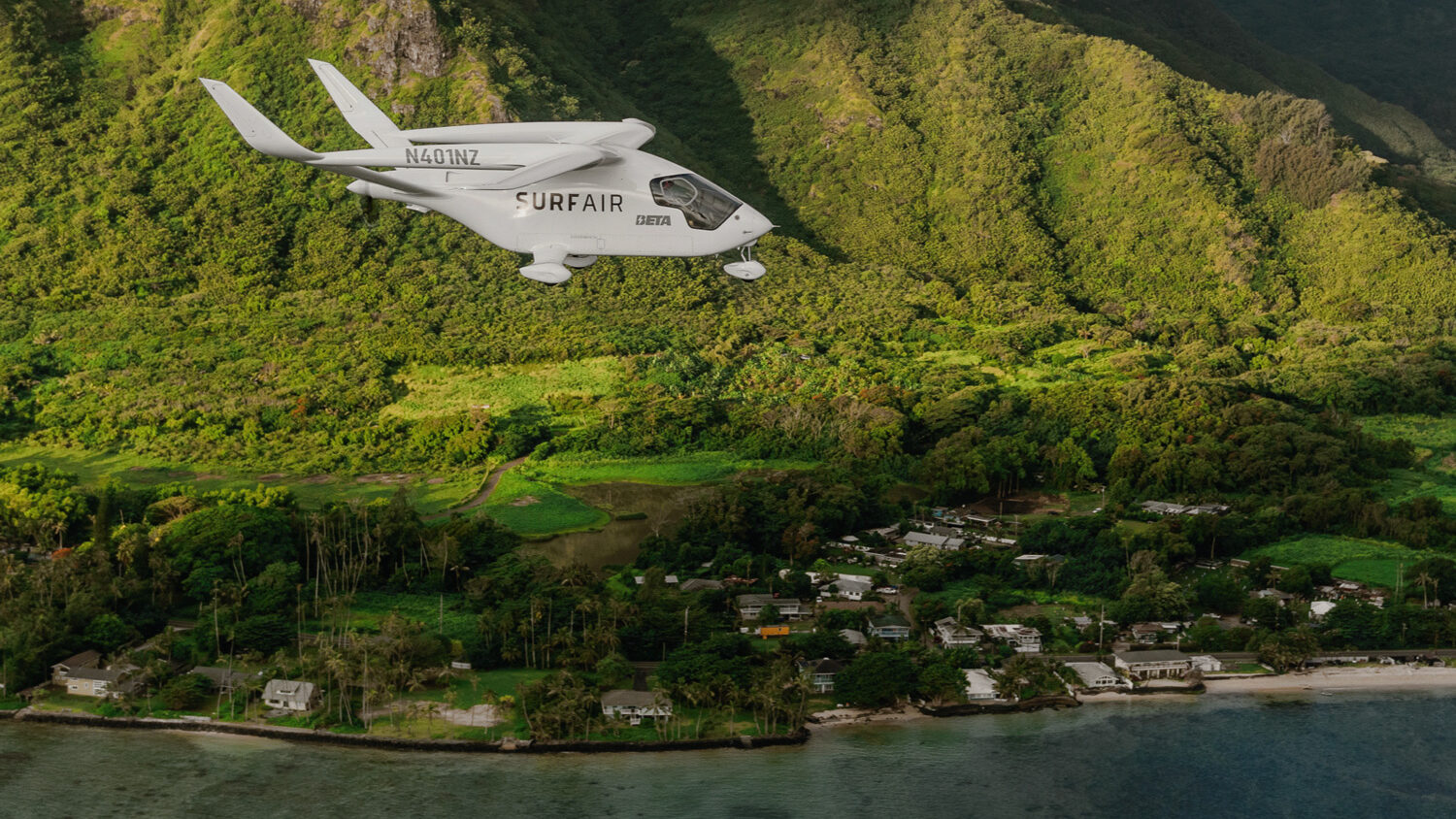
Mokulele Airlines begins testing electric cargo planes
Jul 3, 2026 at 9:19 AM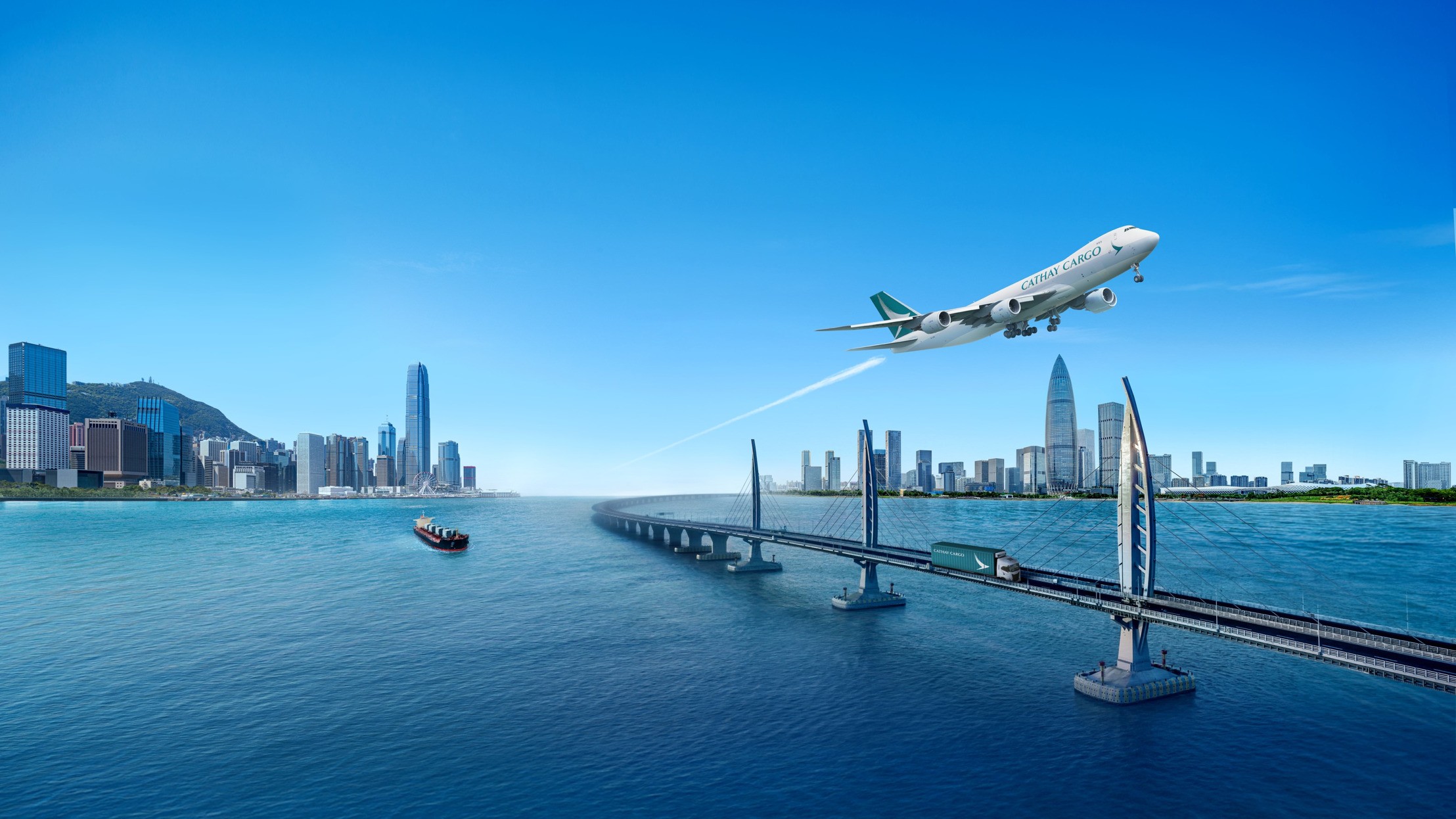
Cathay Cargo expands intermodal refrigerated transport
Jul 3, 2026 at 9:47 AM
The rapid development in the maritime sector of Asia, particularly in the area of ships powered by liquefied natural gas (LNG) and alternative fuels, requires, according to a statement from the Swedish Club, a corresponding investment in crew training. These investments are crucial to actually leverage the safety advantages of the new generation of ships.
Throughout the region, shipowners are showing an active interest in acquiring new tonnage, which is facilitated by current market conditions and the demand for more advanced vessels. However, the transition to modern ship types brings additional challenges, particularly in the areas of training, safety management, and operational readiness. According to the Swedish Club, ship insurers express concerns regarding the complexity of the new vessels and whether there are enough qualified seafarers with the necessary experience and confidence available to operate them safely.
Challenges in training
Julia Ju, Regional Executive Director of Team Hong Kong at the Swedish Club, emphasizes that the industry faces the challenge of making training more systematic. This is particularly important as ship technology, regulatory requirements, and operational conditions continue to evolve. Ju states, “Asia is investing in new ships, but new ships need new skills. With more LNG and alternative fuel vessels entering the market, the industry has to be honest about whether crew training is keeping pace with the technology being put on board. A modern vessel does not remove risk if the crew are not properly prepared to operate it. The risk simply moves into the way the ship is managed, maintained and operated.”