




Kales represents Finnair Cargo in Switzerland
Jul 1, 2026 at 1:51 PM
Lopès leads Advanced Software at SAVOYE
Jul 1, 2026 at 3:10 PM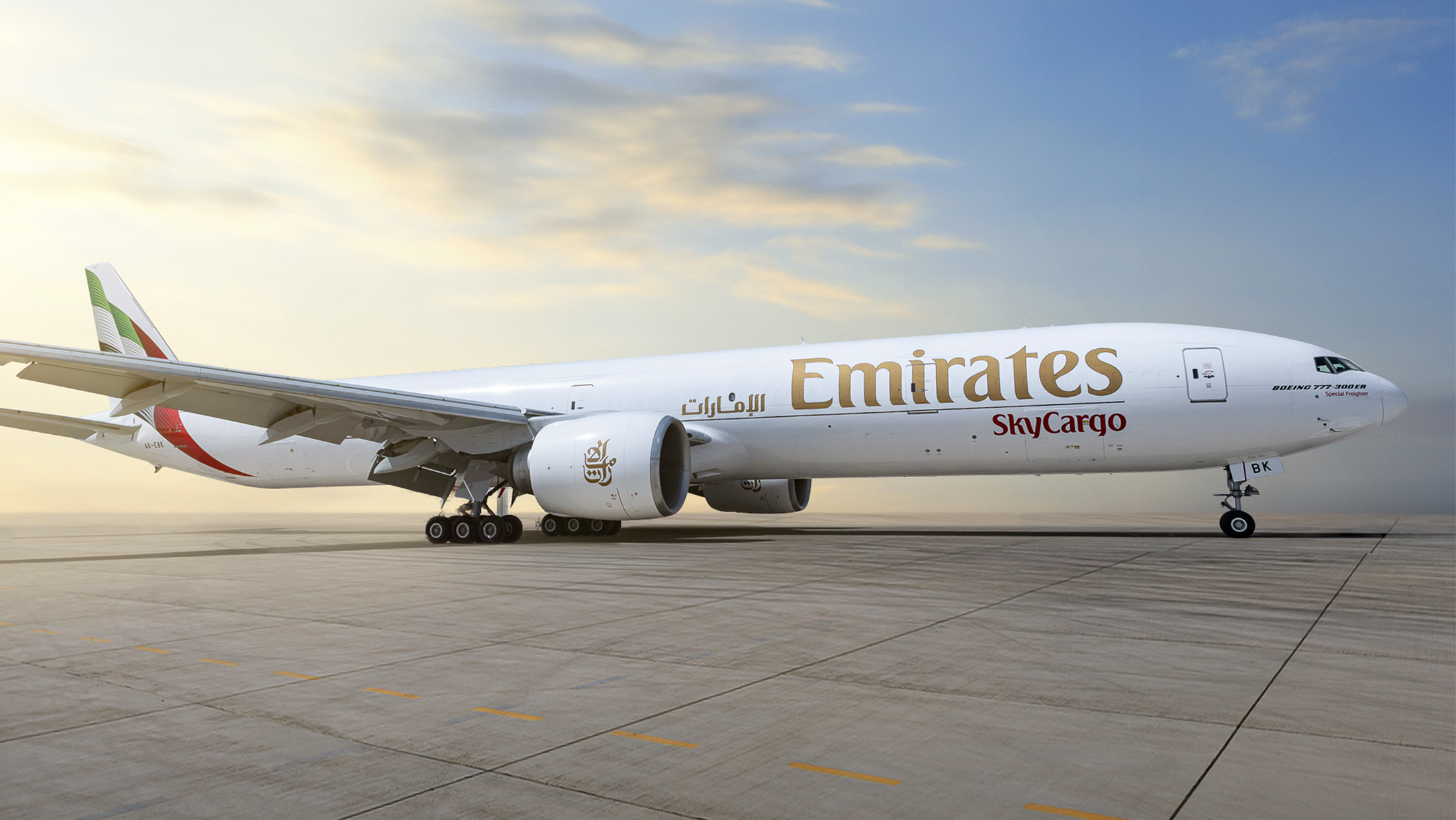
The Dubai-based airline Emirates has taken a significant step in expanding its cargo fleet by becoming the first air freight capacity provider to operate the Boeing 777-300ERSF, a converted passenger aircraft. The first aircraft of this type (A6-EBK) will enter commercial service with a flight from Hong Kong to Dubai, transporting over 100 tons of cargo.
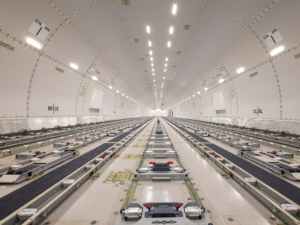 The Boeing 777-300ERSF, converted by Israel Aerospace Industries (IAI), offers a payload capacity of 100 tons and a cargo volume of 811 m³, representing a 25% increase compared to a factory-built Boeing 777F. With 47 pallet positions, the converted aircraft also provides ten additional pallet positions compared to the Boeing 777F, making it particularly suitable for transporting bulky goods, such as e-commerce products. These currently account for about 20% of global air freight volume, with further growth expected in the coming years.
Badr Abbas, Divisional Senior Vice President of Emirates SkyCargo, stated:
“The introduction of the first converted Boeing 777-300ERSF into operational service marks the next step in expanding our fleet and operational flexibility. We are optimizing our fleet resources by converting older Boeing 777-300ER passenger aircraft to meet the growing demand for air freight capacity and to transport goods quickly worldwide.”
Fleet and network growth
The converted Boeing 777-300ERSF is the sixth new cargo aircraft to join the Emirates SkyCargo fleet since March 2026, following the introduction of five Boeing 777F production freighters. As part of its expansion strategy, Emirates SkyCargo plans to acquire five more Boeing 777F and an additional Boeing 777-300ERSF by December 2026. Furthermore, three additional converted Boeing 777-ERSFs are set to be integrated into the fleet in 2027.
The expansion of Emirates SkyCargo’s fleet and network underscores the airline’s commitment to playing a larger role in global trade, connecting new destinations with businesses, and enhancing connectivity to key production centers within its existing global network, which spans six continents.