



CargoAi integrates AI platforms for air freight
Jun 5, 2026 at 11:12 AM
Rise with Covid-19, fall with fuel pressure
Jun 5, 2026 at 11:46 AM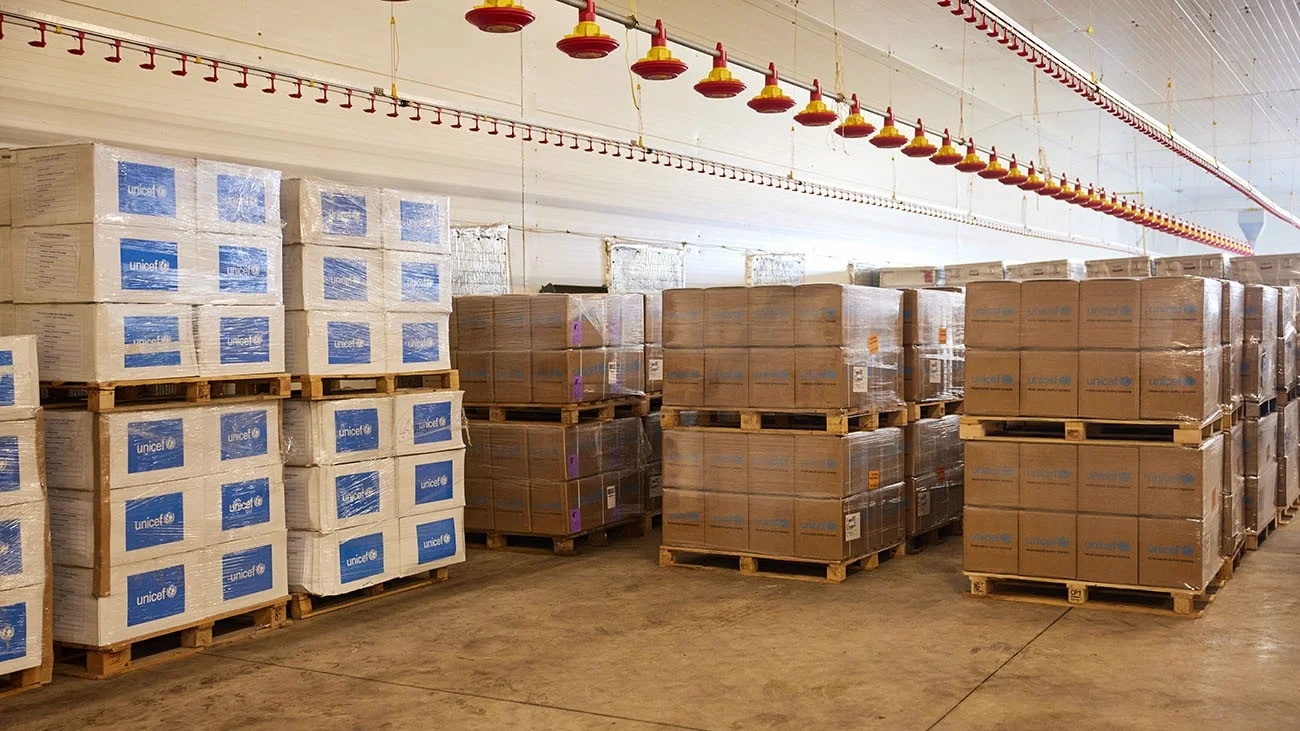
The global supply chains are significantly affected by ongoing disruptions, leading to rising transportation costs and delays in the delivery of essential aid for children. UNICEF warns that these delays of up to six months could jeopardize critical humanitarian assistance.
Rising transportation costs burden aid organizations
The impacts of the recent escalation in the Middle East are not only felt regionally. Disruptions in global humanitarian supply chains affect children worldwide. Ongoing congestion in global transport routes and rising transportation costs are putting pressure on organizations like UNICEF. These developments result in less money being available for urgently needed aid supplies.
UNICEF faces the challenge of having to make decisions under these conditions about which children can be reached first. The rising transportation and logistics costs have already had significant effects on the organization’s operations. For instance, air freight costs for vaccines from India to Ethiopia, Nigeria, and the Democratic Republic of the Congo have increased by 50 to 70%. Transportation costs for therapeutic foods from Kenya to Somalia, South Sudan, and the DRC have also risen by 30%.
In Nigeria, for example, rerouting syringes for a polio vaccination campaign cost an additional USD 200,000, representing a 56% increase. In Mali, international freight costs rose by 36% in the first quarter, influencing the country office’s decision to either reduce the number of ordered RUTF cartons—since 2000, UNICEF has made so-called „Ready-to-use therapeutic food,“ a nutrient-rich paste to save the lives of severely malnourished children, available—or to absorb the unexpected transportation costs, which could jeopardize other important programs in Mali.
Global impact on humanitarian aid
The closures of transport routes in Afghanistan are forcing UNICEF to transport food aid via Georgia and the Caspian Sea, extending delivery times by about two months. African ports in Beira, Conakry, Abidjan, Dar es Salaam, and Mombasa are also experiencing significant delays. The impacts on landlocked countries that rely on these transport corridors are severe. The Djibouti corridor, Ethiopia’s main humanitarian access point, is under increasing pressure.
UNICEF has also exhausted nearly all annual transport contributions from logistics partners, which is unprecedented in the organization’s history. The cumulative disruptions could lead to critical deliveries being delayed by up to four to six months. For children in crisis areas, this could mean the difference between life and death.
Despite these challenges, UNICEF is doing everything possible to maintain the flow of critical aid supplies. The organization is activating alternative air, land, and sea routes, accelerating procurement, and diversifying its supplier base. UNICEF is leveraging a global network of over 300 warehouses worldwide to secure supplies. Additionally, production is being localized by collaborating with over 20 manufacturers of therapeutic foods in countries such as Ethiopia, Kenya, Haiti, and Egypt.
Together with the World Food Programme (WFP) and other UN partners, UNICEF has made agreements with major transportation companies to temporarily waive surcharges for humanitarian shipments, resulting in estimated savings of USD 2 million for UN operations. Nevertheless, it is clear that there are limits to what humanitarian organizations can absorb.