




Vavassori remains President of Alsea
Jun 25, 2026 at 7:07 AM
Eimskip: An Italian in Iceland
Jun 25, 2026 at 8:13 AM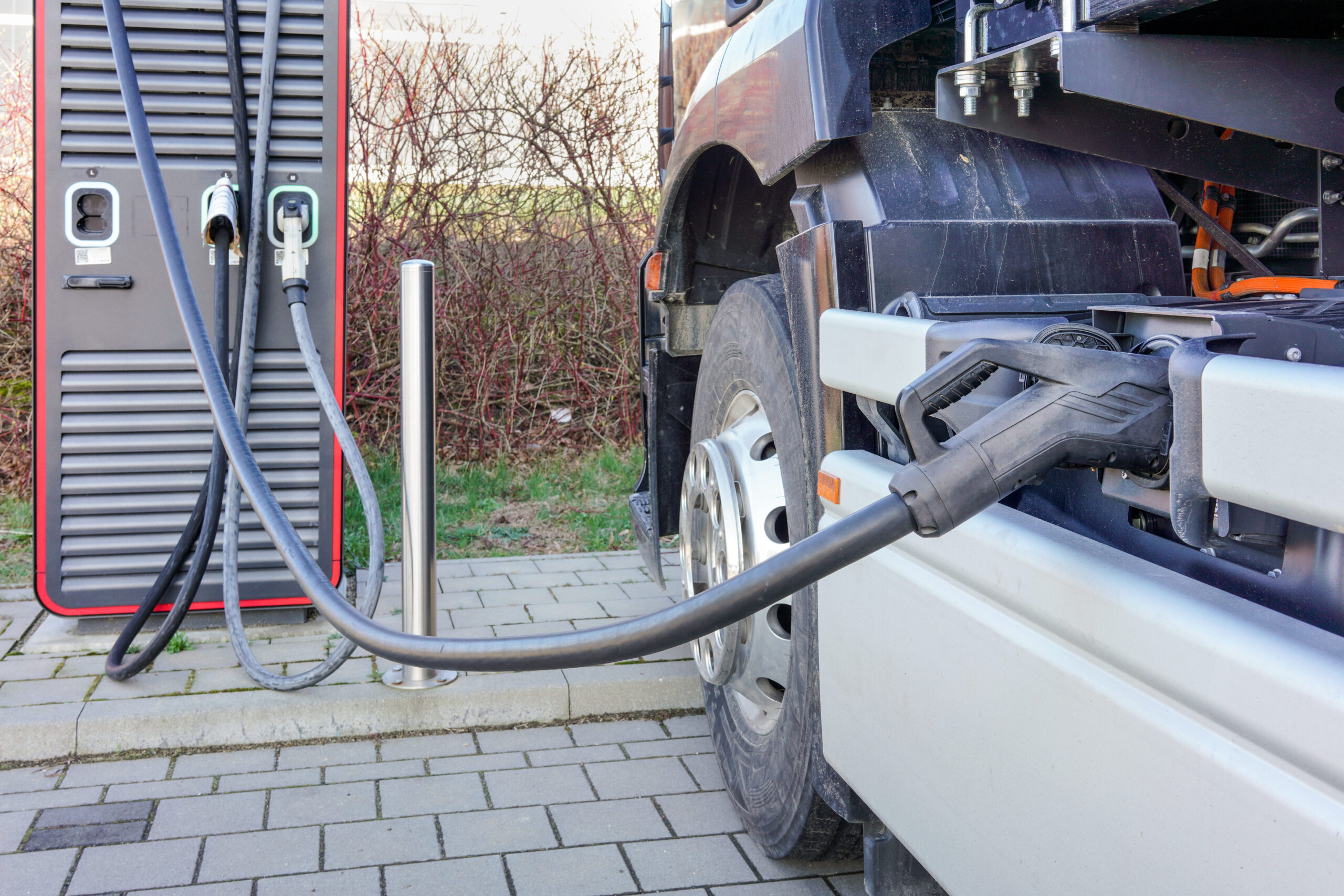
By the year 2045, the annual electricity demand of the logistics sector in Germany is expected to rise to 186 terawatt-hours (TWh). This represents an eightfold increase compared to current figures. This forecast comes from a study conducted by the Institute for Automotive Engineering (ika) at RWTH Aachen University, commissioned by the DSLV Federal Association of Freight Forwarding and Logistics. The study analyzes the future energy and power requirements for logistics properties as well as for road and rail freight transport from 2025 to 2045.
Drivers of the increase
A central factor for the significant increase in electricity demand is, according to the DSLV, the legally mandated decarbonization of road freight transport. According to the study’s findings, the baseline scenario assumes a high implementation rate of European regulations regarding CO2 fleet limits. By 2040, 90 percent of all newly registered trucks must be locally emission-free. For the year 2045, it is projected that road freight transport will consume 155.8 TWh, accounting for 83.8 percent of the total electricity demand of the examined subsectors.
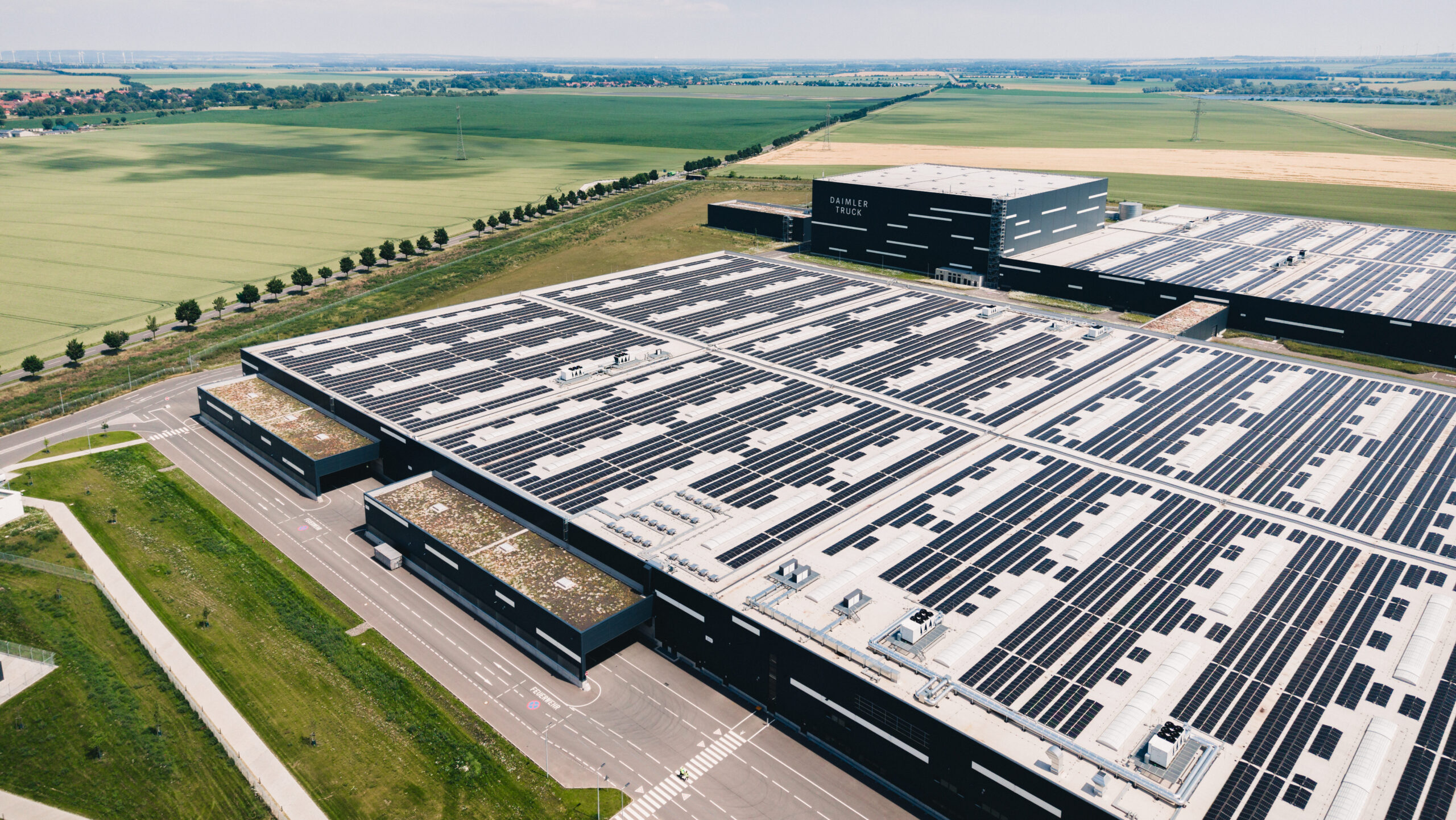
Additionally, the operation of logistics properties, which include distribution centers, fulfillment centers, cross-docks, cold storage facilities, and high-bay warehouses, will account for a consumption of 22.3 TWh (12.0 percent). Rail freight transport is expected to require an additional 7.8 TWh (4.2 percent).
„The results of the RWTH study make the political need for action unmistakable. The logistics sector is becoming increasingly electricity-intensive. The transformation of freight transport is not only a transport policy challenge but primarily an energy economic challenge.“
– Frank Huster, Managing Director of the DSLV Federal Association of Freight Forwarding and Logistics