




KTZ builds maritime fleet for Middle Corridor
May 18, 2026 at 3:46 PM
dm initiates distribution center in Upper Austria
May 18, 2026 at 4:03 PM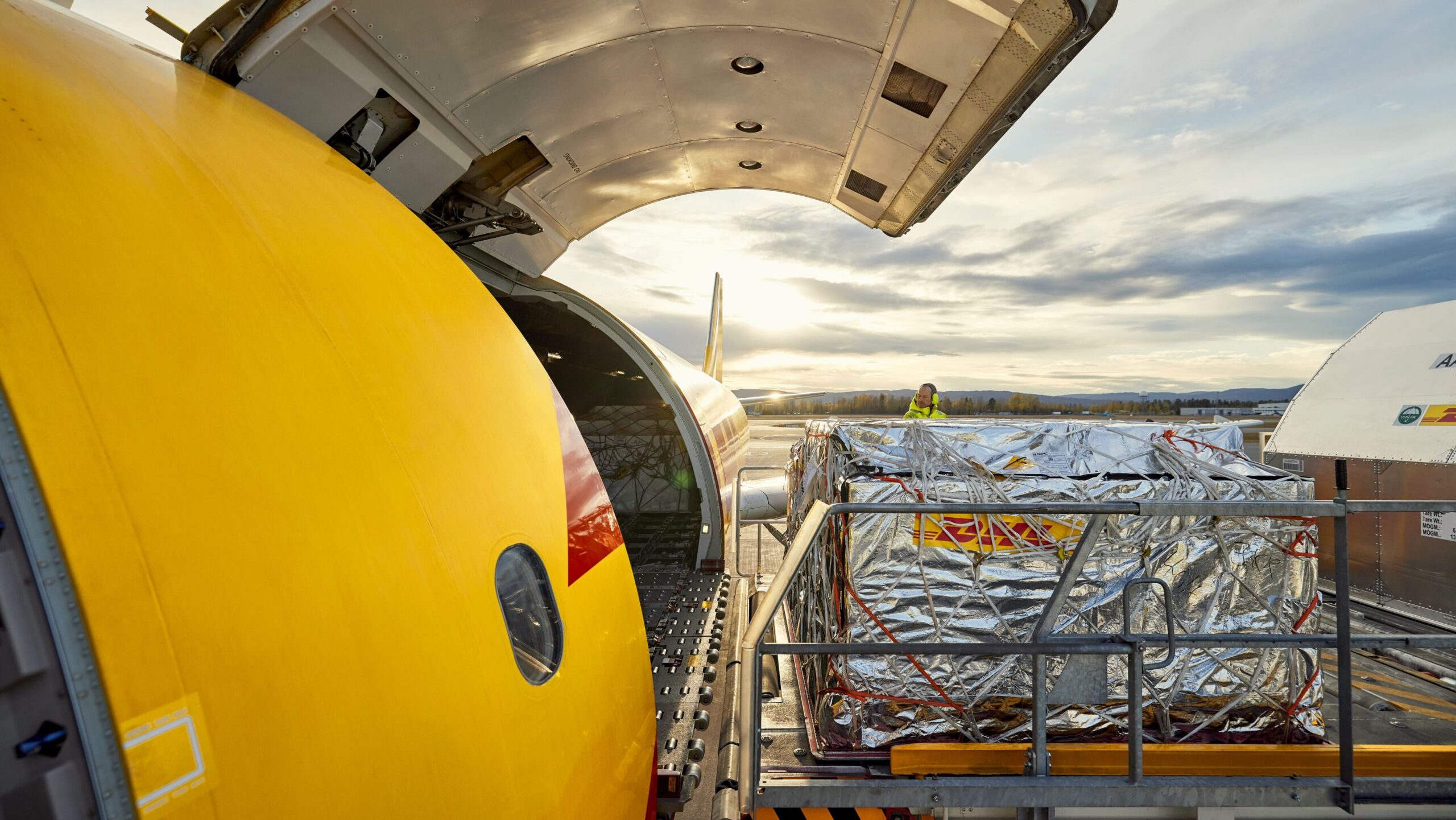
The DHL Group has further expanded its investments in the Life Sciences & Healthcare (LSH) sector and optimized the air freight connection between Brussels (BRU) and Cincinnati (CVG). This measure aims to strengthen the cold chain capacities for temperature-sensitive products between Europe and North America. The new connection is now fully operational and links a significant European pharmaceutical hub with a rapidly growing location for life sciences and logistics in the USA.
A temperature-controlled Boeing 777 freighter is deployed on this route six times a week. DHL has also invested in specialized technologies and additional facilities for ground handling to optimize cold chain processes. These measures comply with the applicable guidelines for the transport and storage of pharmaceuticals (GDP).
Planned Infrastructure Expansions
Further investments in infrastructure along this route are planned for 2026. This includes the expansion of its own cold chain capacities at Cincinnati Airport. DHL also plans to introduce temperature-monitored dollies that will function as mobile cooling units, handling the transport of air freight containers and pallets between the aircraft and the warehouse. These measures aim to ensure that shipments remain within the required temperature range at all times. Additionally, DHL is focusing on multi-layer thermal blankets and new material solutions to counteract temperature fluctuations and maintain the desired temperature stability.
“The demand for healthcare logistics is growing rapidly – at the same time, the requirements are noticeably increasing,” explains Annette Naude, Global Head of Life Sciences & Healthcare at DHL Global Forwarding. She points out that especially biopharmaceuticals, gene and cell therapies, as well as materials for clinical trials are experiencing above-average increases. Shipments are becoming smaller, while almost all products require strictly controlled temperature management, usually between 2 and 8 °C. Naude emphasizes that numerous pharmaceutical patents will expire in the coming years, which could significantly increase transport volumes.
With targeted investments, DHL aims to ensure that the necessary capacities and specialized solutions are available to manage this growth. The end-to-end solution between Brussels and Cincinnati serves as a model for the expansion of other important trade routes in the global pharmaceutical air freight network.