



UAE purchases Brazilian transport aircraft
May 13, 2026 at 11:05 AM
SBB installs derailment detectors before Gotthard Base Tunnel
May 13, 2026 at 12:07 PM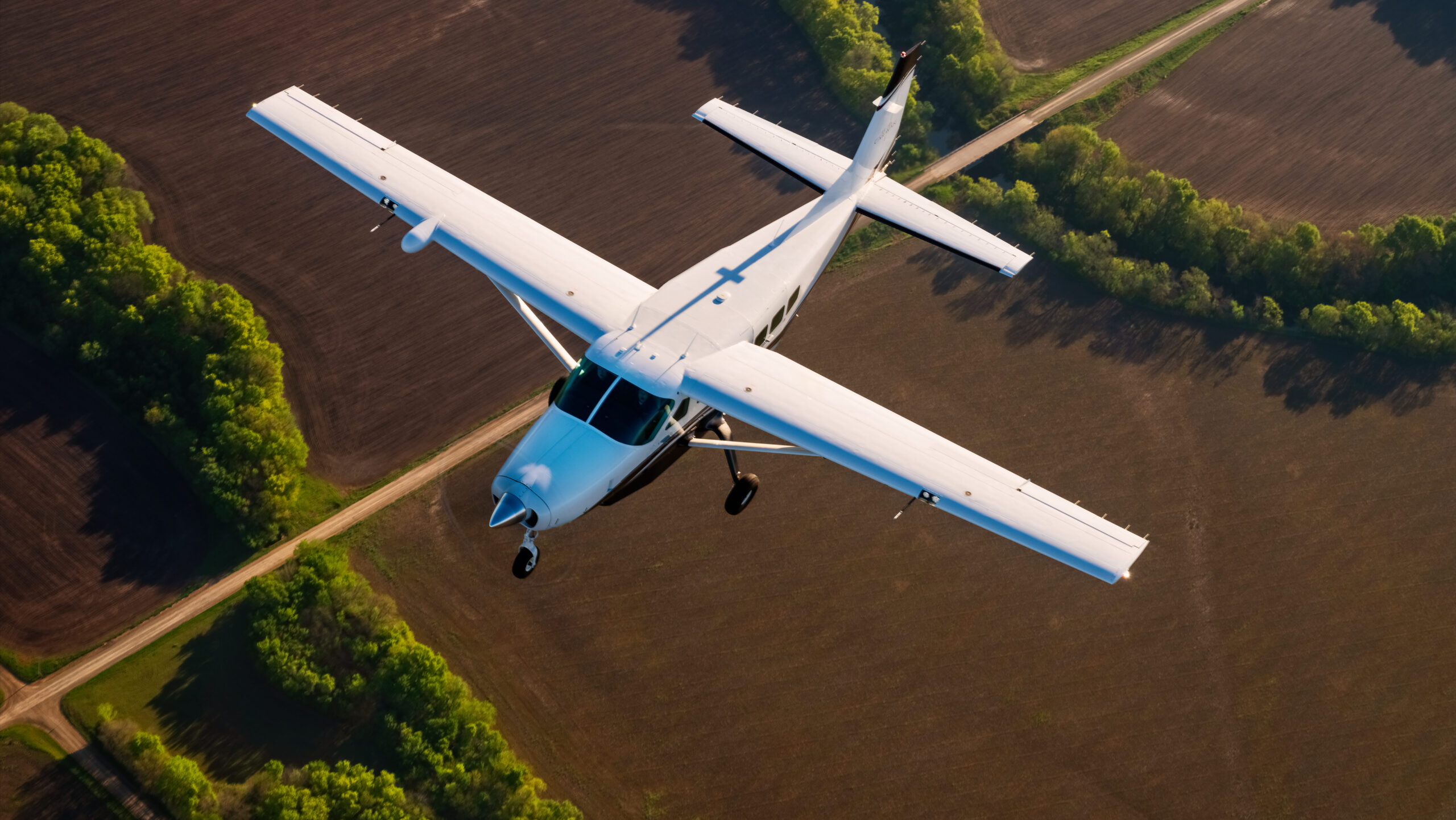
The U.S. Department of Agriculture (USDA) has ordered three Cessna Caravan aircraft to support a program aimed at combating harmful insects. The planes are scheduled for delivery in 2027 and are part of a project focused on addressing invasive pests that particularly threaten citrus fruits along the Rio Grande in Texas.
Background: New World screwworm and the sterile insect technique
The New World Screwworm (NWS), scientifically known as Cochliomyia hominivorax, is a devastating pest primarily affecting livestock. To prevent the spread of NWS in the United States, the USDA is working closely with the U.S. Army Corps of Engineers (USACE). Together, they have signed a contract to establish a new sterile fly production facility at Moore Air Base in Edinburg, Texas. This facility is a central component of the USDA’s comprehensive strategy to combat NWS and will significantly enhance national response capacity.
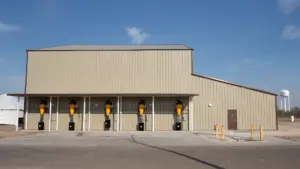 The Sterile Insect Technique (SIT) will be employed at this facility to breed and sterilize NWS flies. When sterile males mate with wild females, the latter lay unfertilized eggs that do not hatch. This method has proven to be extremely effective and environmentally friendly and is recognized worldwide.
The new facility in Texas will be the only one of its kind in the United States and will collaborate with existing facilities in Panama and Mexico to combat NWS. By November 2027, the Texas facility is expected to achieve a production capacity of 100 million sterile flies per week, with a long-term goal of 300 million.
Fleet expansion for pest control
According to Bob Gibbs, Vice President of Special Mission Sales at Textron Aviation, the new aircraft will enable the Animal and Plant Health Inspection Service (APHIS) to reach remote areas and fulfill its vital mission of protecting agriculture. The Cessna Caravan is known for its high payload capacity and reliability, making it suitable for operations in hard-to-access regions.
APHIS plans to equip the new Cessna Caravans with specialized release systems to safely distribute sterile insects over large areas. This environmentally friendly method aims to reduce pest populations without chemical means.