



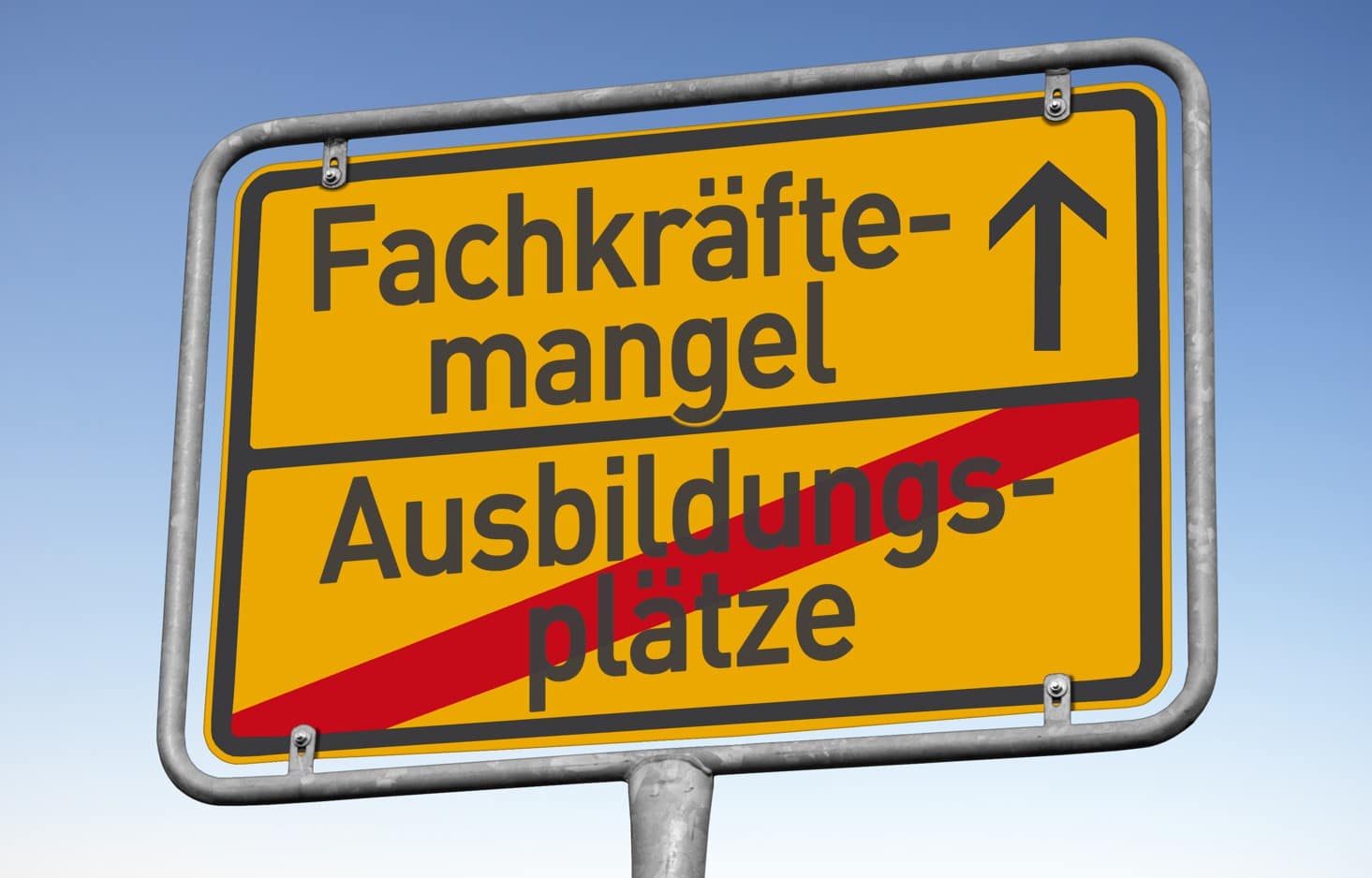
Survey Sees Skilled Labor Shortage in Logistics as Self-Made
Aug 7, 2022 at 6:00 PM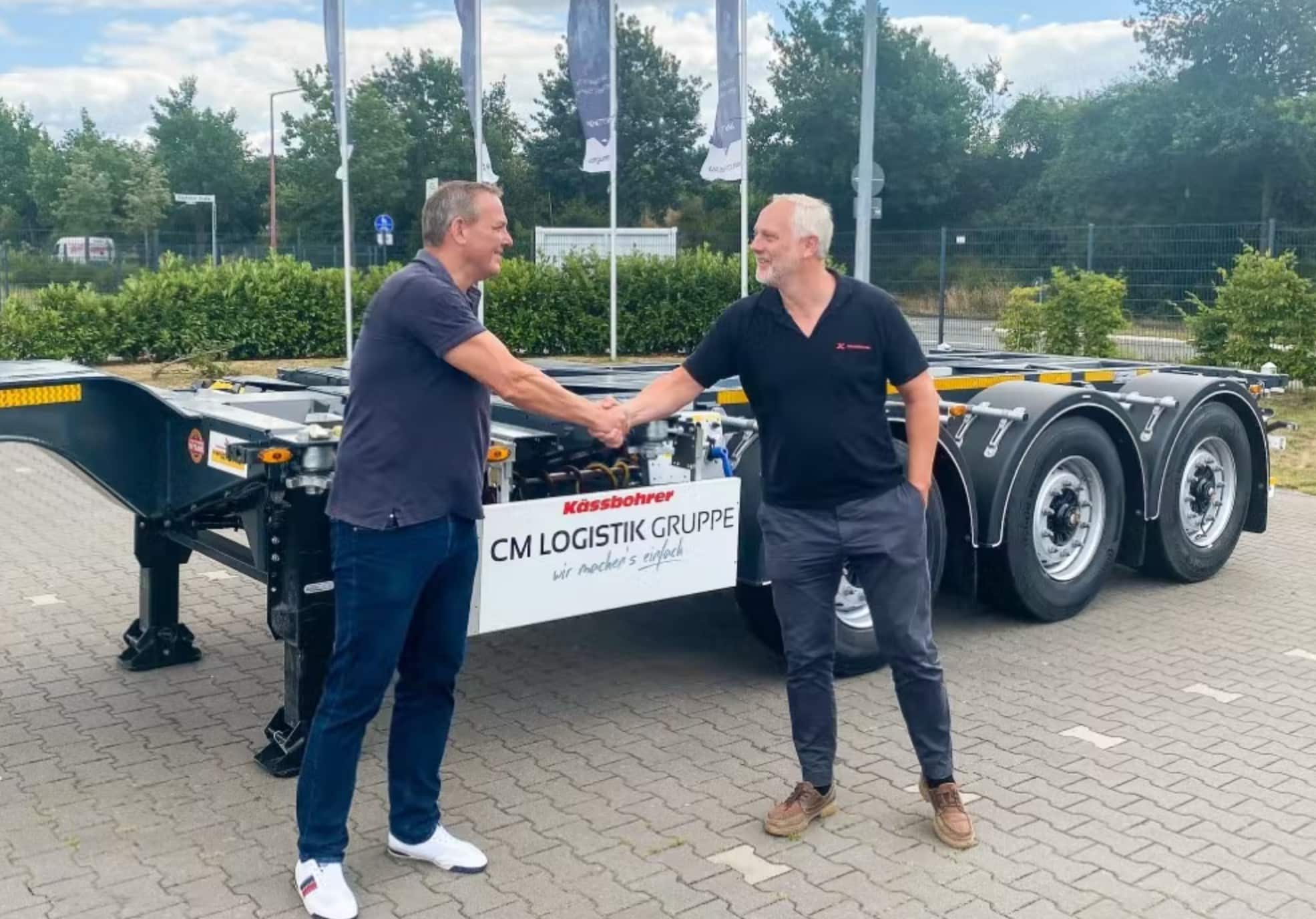
New Partnership Between Kässbohrer and the CM Logistics Group
Aug 8, 2022 at 4:15 PM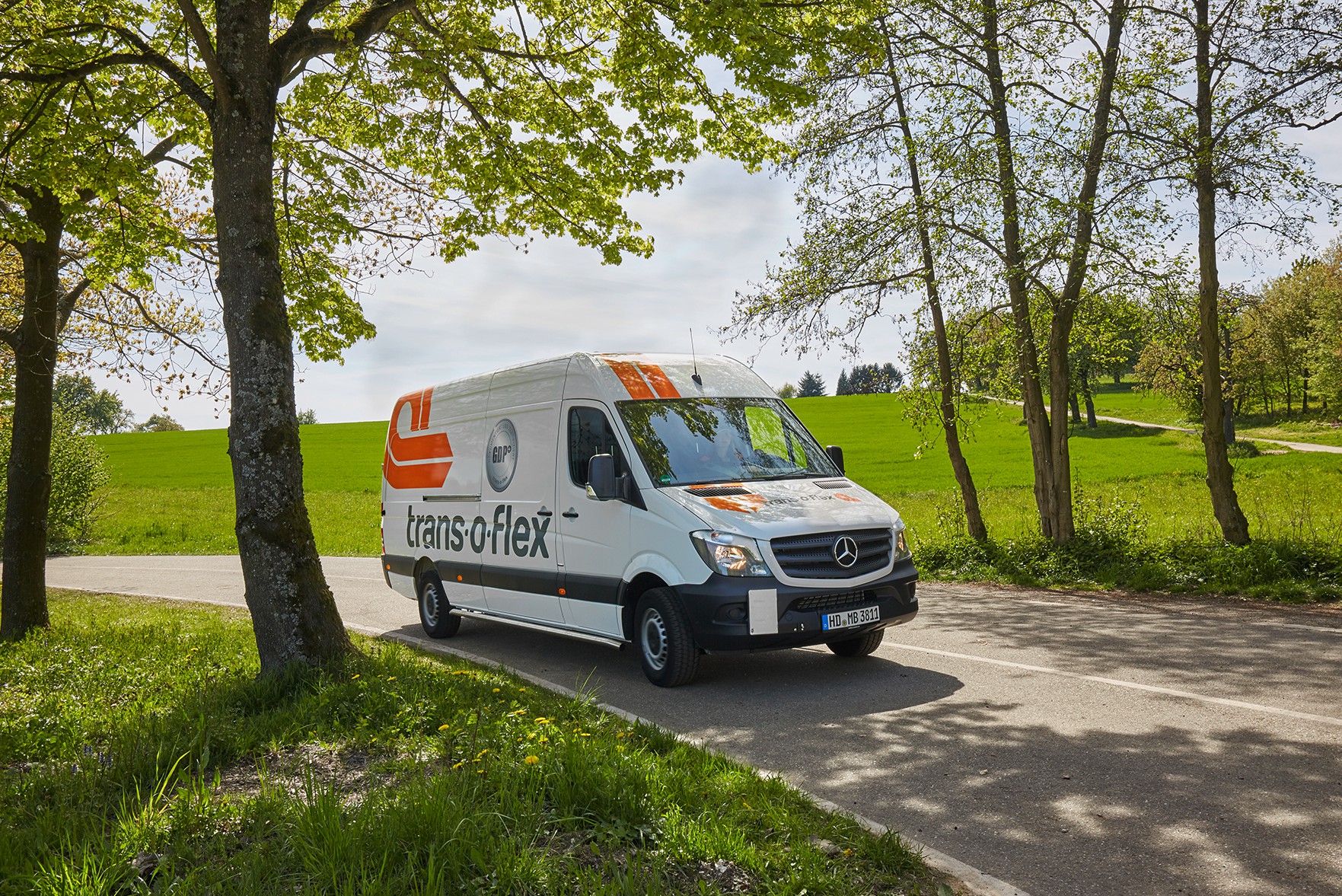
The logistics service provider trans-o-flex, specialized in the sectors of healthcare, cosmetics, consumer electronics, as well as other high-quality and sensitive goods, has increased its CO2 efficiency (kilograms of CO2 per kilogram of transported shipment weight) by five percent. This is evident from the recently published sustainability report for the year 2021, in which the company describes its development not only from an economic perspective but also from social and ecological aspects.
(Weinheim) For the first time, the current sustainability report, which trans-o-flex has been publishing annually since 2010, is aligned with the international standards of the Global Reporting Initiative (GRI), founded in partnership with the United Nations Environment Programme. “The GRI standards are globally regarded as best practice for reporting on the economic, ecological, and social impacts of corporate actions,” says Wolfgang P. Albeck, CEO of trans-o-flex. “By applying these standards, we can make our development understandable, transparent, and comparable over individual years for customers, employees, and investors.”
Changes in various business areas
Through numerous improvements both in operations and procurement, trans-o-flex has managed to limit the growth of CO2 emissions to 3.11 percent, despite the volume of transported shipments increasing by 11.93 percent, according to the report. “To reduce emissions, we identify potential at all possible levels, develop priorities, and then implement them consistently,” explains Albeck. “As a result, vehicles operated on behalf of trans-o-flex drove almost six million kilometers less last year despite the significant growth in volume, and our electricity consumption has decreased for the third consecutive year.” The main reasons for the saved kilometers were increased utilization due to improved scheduling and network optimization through new locations. In terms of electricity consumption, new sorting facilities and the continuous transition to LED lighting have had a positive impact. By the end of 2020, eight trans-o-flex locations had switched to LED lighting. In the reporting year, ten more were added. “We consumed 16.36 million kilowatt-hours recently, compared to 18.17 million in 2018, which is an eleven percent reduction,” says Albeck. “Additionally, in 2021, we were able to source 100 percent of our electricity from renewable energies for the first time. In 2018, we were at 94 percent.” The paper consumption also achieved a rate of 100 percent recycled paper for the first time in the reporting year. At the same time, the company began transitioning invoice delivery to email, resulting in one million fewer sheets of paper used. Finally, the introduction of new pools for reusable boxes has led to more customers switching from single-use to reusable transport packaging. In 2021, 2.3 million shipments were transported in reusable boxes.
In the social and community area, trans-o-flex focused on the training and further education of employees in 2021. The company invested more than one million euros in this area. According to the report, this includes costs for legally mandated training as well as for the training of 38 apprentices and 27 students at dual universities. In the subsidiary trans-o-flex Training & Service, which primarily focuses on the training and further education of driving personnel, 20 people are now employed.
The complete 58-page sustainability report is available on the company’s website as a PDF file at https://www.trans-o-flex.com/medien/downloads.
Photo: © trans-o-flex