



AAL Shipping receives “ISO 27001 Certification”
Apr 28, 2026 at 10:56 AM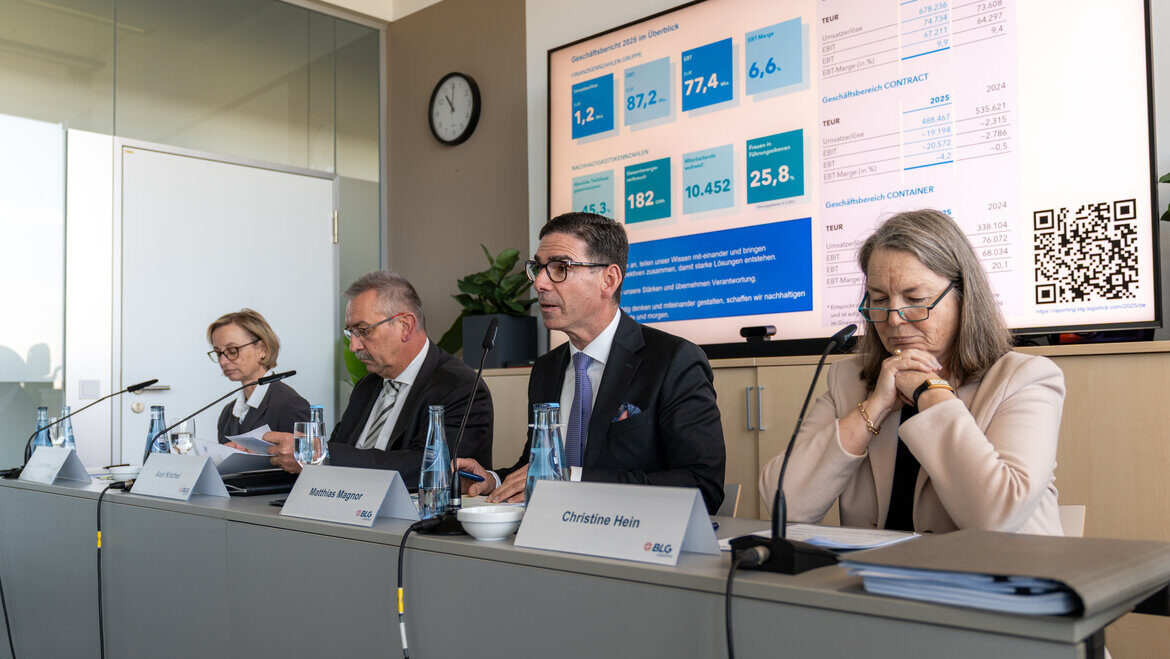
BLG LOGISTICS presents solid business year 2025
Apr 28, 2026 at 12:31 PM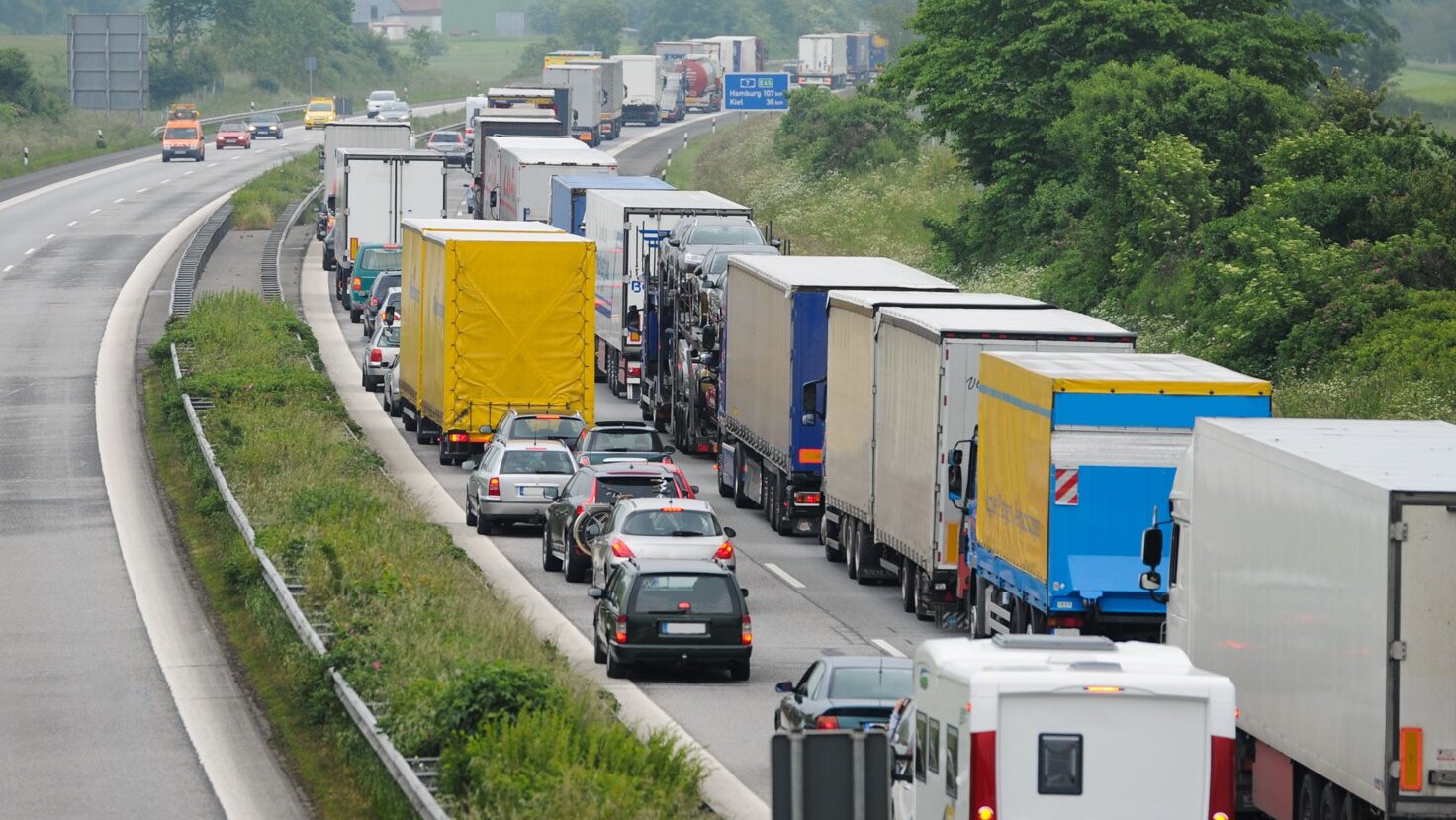
Transport companies in the EU will soon be able to compare their greenhouse gas emissions more easily after new regulations were confirmed by EU governments in February. These changes aim to help both consumers and businesses make informed decisions and reduce the risk of greenwashing.
Voluntary Emission Calculation
Transport companies are not required to calculate their greenhouse gas emissions. However, if they choose to do so for reporting, contractual purposes, or marketing, they must apply a uniform EU methodology. This methodology captures the emissions generated during transport from vehicle operation and energy supply. To enhance accuracy, EU rules emphasize the use of primary data instead of estimates or standard values. Additionally, incentives are created for operators who measure their emissions directly.
Support for Small and Medium Enterprises
To reduce the administrative and financial burdens on companies, particularly small and medium enterprises (SMEs), Members of the European Parliament (EP) have called on the Commission to develop a public, simple, and free calculation tool, accompanied by guidance. The Commission has four years to accomplish this.
Lifecycle Emissions in Focus
The uniform methodology will initially not cover greenhouse gas emissions over the entire lifecycle of transport services. However, the Members have ensured that the Commission will examine the possibility of extending the EU methodology to lifecycle emissions within four years of the new rules coming into force. This includes emissions from vehicle production, energy generation, maintenance, use, and end-of-life, once sufficient data and international progress are available. This assessment will guide future updates to the rules.
Voices from Parliament
Norbert Lins, rapporteur of the Transport Committee, stated: “The new rules will make it easier for companies to report their greenhouse gas emissions accurately. They include specific incentives for small and medium enterprises to apply ISO standards without being burdened by excessive administrative tasks. SMEs will also have access to a free calculation tool, making it easier for them to contribute to reducing greenhouse gas emissions. Furthermore, lifecycle analysis remains on the agenda in the near future, signaling ongoing progress in this area.”
Pierfrancesco Maran, Chair of the Environment Committee, emphasized: “Although the new rules do not require transport companies to calculate their emissions, those who do—whether for reporting, contractual purposes, or legal requirements—will now use a uniform methodology based on a global standard. SMEs can rely on a free calculation tool, and for the first time, consumers have access to transparent and reliable information, regardless of how they travel or purchase goods. The new rules are a win for businesses, consumers, and the climate.”
Next Steps
The new regulations will come into force on the 20th day after their publication in the Official Journal of the EU. With some exceptions, they will apply four and a half years after the regulation comes into effect.