




Girteka secures financing of 74 million euros
Mar 2, 2026 at 10:13 AM
Constellation Cold Logistics expands to Germany
Mar 2, 2026 at 11:16 AM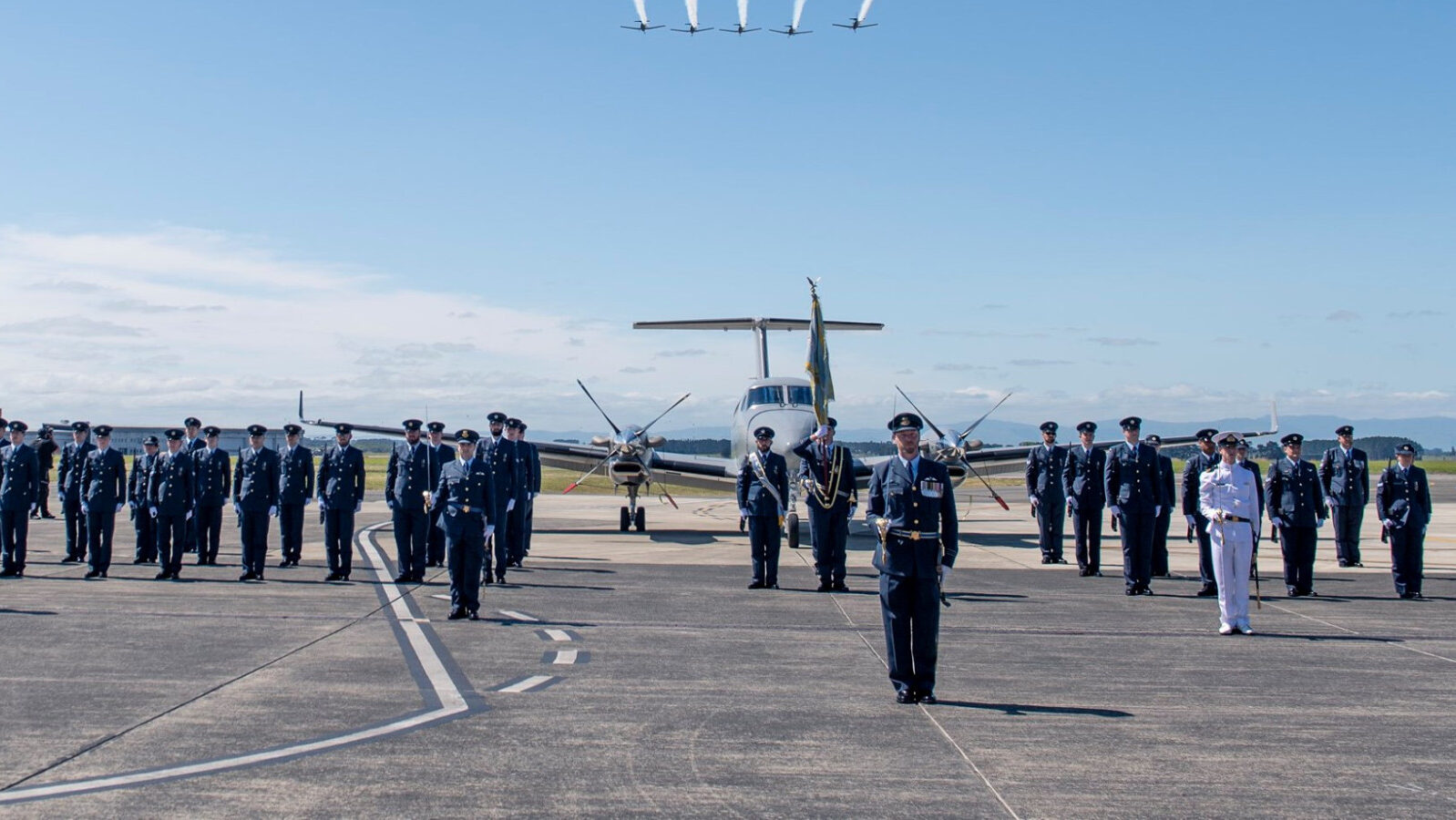
The New Zealand government has decided to use the RNZAF base Ohakea (IATA: OHA) as a permanent alternative for international air traffic. This was announced by James Meager, the Deputy Minister of Transport. The measure aims to strengthen New Zealand’s international air traffic connections and enhance the resilience of the air transport system.
According to Meager, the provision of around-the-clock air traffic control services by Airways New Zealand will eliminate a long-standing limitation for airlines. This decision is seen as crucial for New Zealand’s economic growth. „Under flight safety regulations, commercial flights must designate an alternative airport if their destination airport is closed due to weather conditions or other events,“ explains Meager.
Until now, the Ohakea base could not be used as an alternative airport at night due to a lack of air traffic control services. With the investment in continuous air traffic control, Ohakea will now offer an option for large international aircraft that cannot land in Auckland or Christchurch. This allows airlines to refuel less and operate routes with full passenger and cargo loads, which is particularly intended to support New Zealand’s tourism sector and export economy.
Progress under the Aviation Action Plan
The decision to use Ohakea as an alternative airport is part of the Aviation Action Plan launched last September, which includes a total of 25 measures to strengthen and future-proof the sector. Since the introduction of the plan, ten measures have already been implemented, including the approval for the Ohakea base.
Other measures include the development of new rules to promote safe innovations in aviation, the confirmation of New Zealand’s participation in the Carbon Offsetting Reduction Scheme for international aviation, and collaboration with the Australian industry to promote sustainable aviation fuels. Additionally, updates to pilot training programs are being worked on to better align them with the needs of airlines.
The government is also securing vulnerable regional air connections by providing support to small airlines through loans and investments in interlining agreements. Meager emphasizes the importance of collaboration between government and industry: „This progress was only possible through the continuous commitment of government and industry to work together to strengthen and future-proof our aviation sector.“