



Air freight strengthens Italy’s export economy
Jun 11, 2026 at 8:29 AM
HERFRIED digitally optimizes inland shipping in Europe
Jun 11, 2026 at 9:10 AM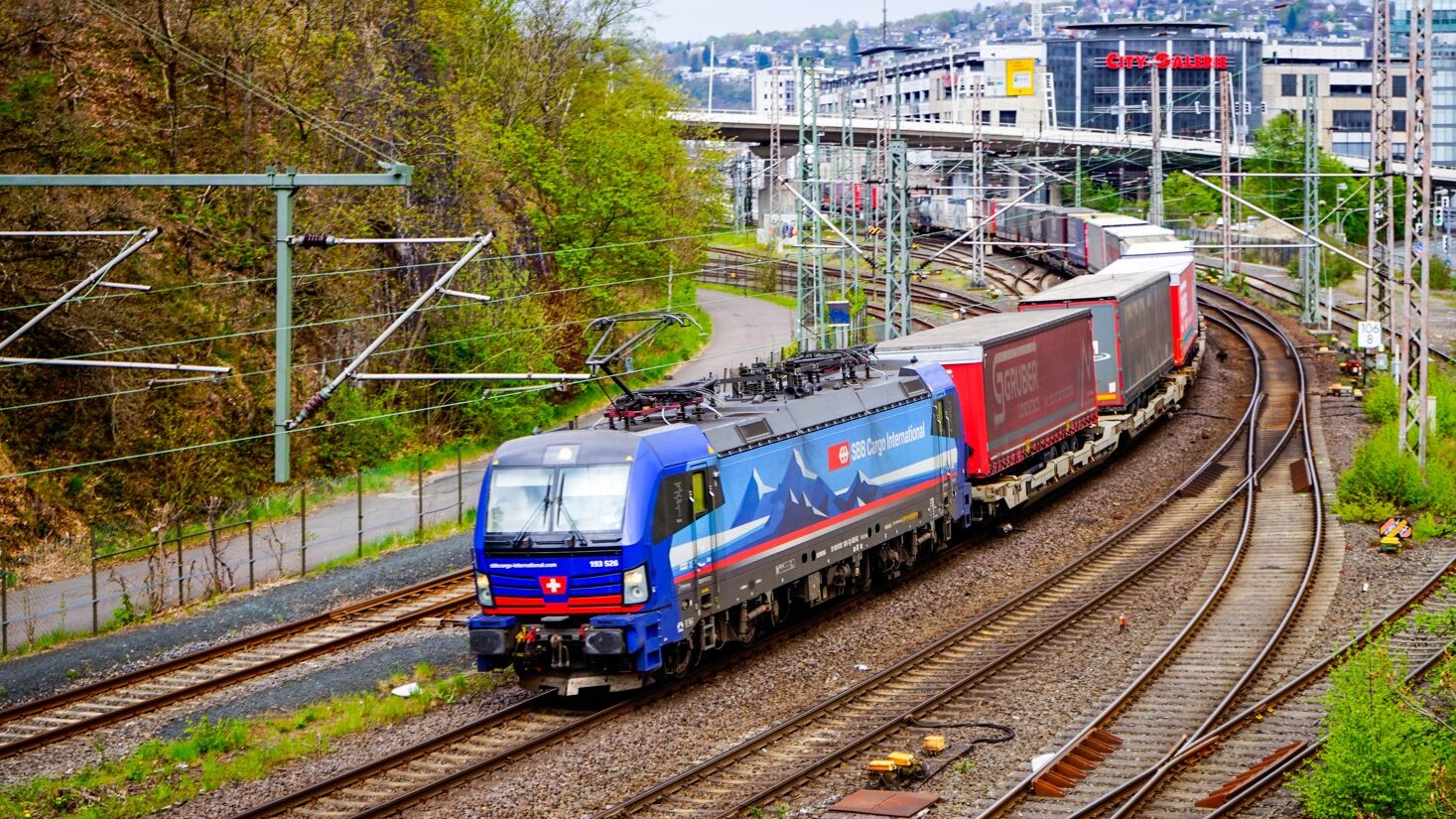
The introduction of the regulation on the capacity of rail infrastructure marks a turning point for operators of intermodal freight trains in Europe. According to the International Union for Road-Rail Transport (UIRR), the new regulation provides the opportunity to secure more and higher-quality paths for cross-border intermodal freight trains and to improve the reliability of cross-border rail freight transport. These improvements have long been demanded by the industry. The regulation governs the management of rail infrastructure capacity both during the annual timetable creation and in times of temporary diversion management necessitated by construction work on specific sections of track.
Strengthening the User Voice
The UIRR, together with other associations, has proposed the establishment of the European Rail Platform (ERP). This proposal has been submitted to the European Commission along with other associations representing passenger and freight transport companies, service facility operators, competent authorities, and other market participants. The ERP is intended to serve as a collective voice for users of rail infrastructure and intermodal actors, forming a strong, structured component of the new capacity management architecture overseen by the European Network of Infrastructure Managers (ENIM). ENIM will lead the development of European guidelines and rules for capacity allocation.
“The new capacity regulation offers intermodal freight companies the chance
for more and qualitatively better rail paths as well as a formal say in the
design of the rules. We urgently call on the Commission to approve the capacity regulation
without delay and to complement this progress with an ambitious revision of the
Combined Transport Directive.”
UIRR Director General Ralf-Charley Schultze.
Urgency of Approval
The UIRR urges the European Commission to approve the ERP proposal as quickly as possible. Users of rail infrastructure must be involved in the new governance process from the outset. The reform of timetable management (TTR) introduces innovative digital tools and market-oriented approaches to capacity management that directly benefit intermodal services. These innovations facilitate access to usable and reliable paths and enable better planning of cross-border operations with greater predictability.
Need for Modernization
The UIRR emphasizes that this modernization is essential for intermodal freight trains, as they rely on competitive transit times and network-wide coordination to provide a credible alternative to road transport. In light of the evolving regulatory framework, the UIRR calls on EU institutions to modernize the legal framework for Combined Transport as well. The Combined Transport Directive, dating back to 1992 and currently under revision, must be updated to reflect today’s operational, commercial, and environmental realities in intermodal freight transport. A modern capacity regulation combined with an outdated Combined Transport Directive would leave a significant gap in the political framework. The revision must be completed swiftly and ambitiously.