



Error recognized, transports banned
Apr 30, 2026 at 1:13 PM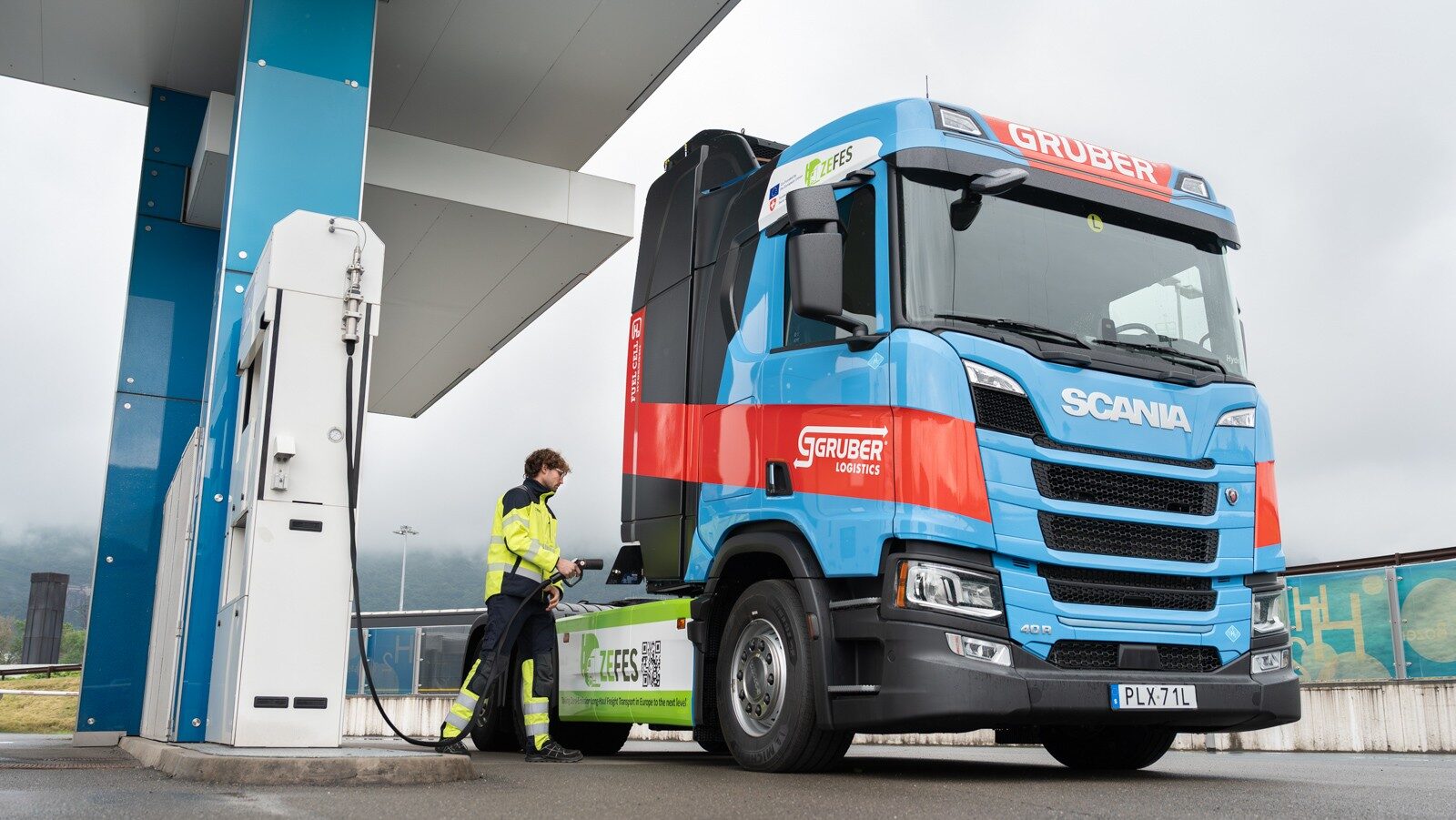
Gruber Logistics and Scania test hydrogen trucks
May 1, 2026 at 3:30 PM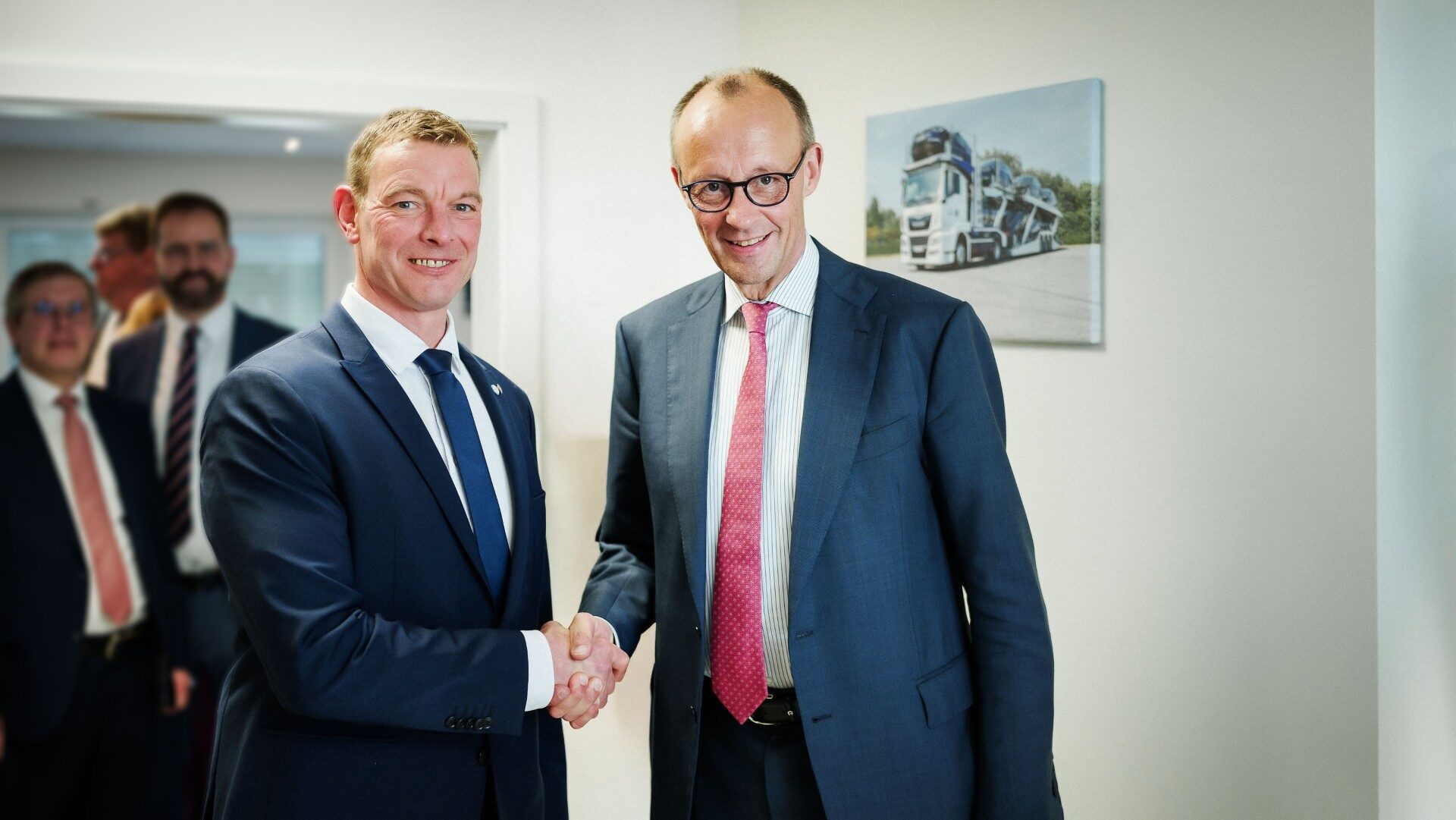
Federal Chancellor Friedrich Merz visited Akkermann Transporte GmbH in Moormerland, East Frisia, on April 29, 2026, to learn about the challenges facing the medium-sized road freight transport sector. He was accompanied by Parliamentary State Secretary Gitta Connemann and representatives from the Federal Association of Goods Transport, Logistics, and Disposal (BGL) e.V., including Supervisory Board member Klaus Akkermann and Executive Board spokesperson Prof. Dr. Dirk Engelhardt.
Challenges for Medium-Sized Enterprises
The visit took place against the backdrop of significant pressure on the industry. Rising costs, a shortage of drivers, bureaucratic hurdles, and international distortions of competition are burdening companies. In particular, small businesses, which make up about 80 percent of the industry and employ fewer than 20 staff, rely on reliable framework conditions to ensure supply security in Germany. Prof. Dr. Dirk Engelhardt emphasized: “The situation in the medium-sized transport sector is extremely tense. Our companies need political reliability now – so they can invest, train, and actively shape the transformation.”
Demands on the Federal Government
During the exchange, three central concerns were articulated to the federal government. The BGL pointed out that the temporary energy tax reduction is an important step but does not represent a permanent solution. To secure liquidity and reduce competitive disadvantages, comprehensive relief is necessary. A key concern is the elimination of the double burden of CO₂. Companies that are already burdened by the CO₂ component of the truck toll should not be additionally charged with a CO₂ surcharge on fuel.
Furthermore, the BGL demands a strengthening of toll harmonization. The „Environmental Protection and Safety“ program should be expanded to include aspects such as digitalization and the resilience of road freight transport, and its financial resources should be increased from 450 to 900 million euros. Another point is the closure of the financing cycle for roads, whereby revenues from the truck toll should be earmarked for infrastructure projects such as bridges, truck parking spaces, and road maintenance.
Dialogue Between Politics and Business
The BGL advocates for a continuous dialogue between politics, business, and the industry. The visit to Moormerland highlights the necessity not only to talk about medium-sized enterprises but also to actively communicate with the companies that take responsibility for their employees, customers, and investments every day. Klaus Akkermann expressed the hope that concrete steps would follow from the exchange with the Federal Chancellor: “Progress occurs where politics, business, and society take responsibility together.”