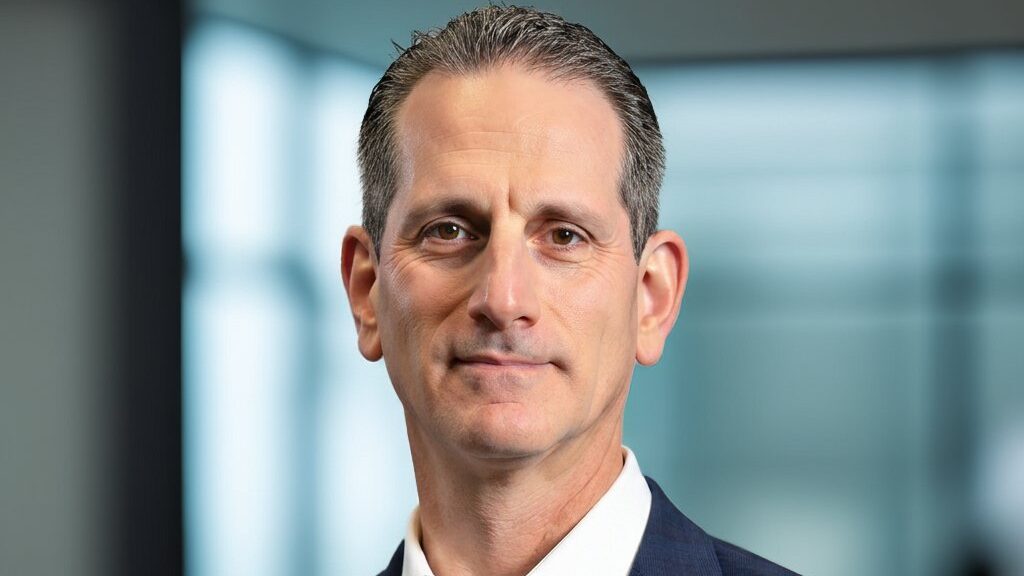




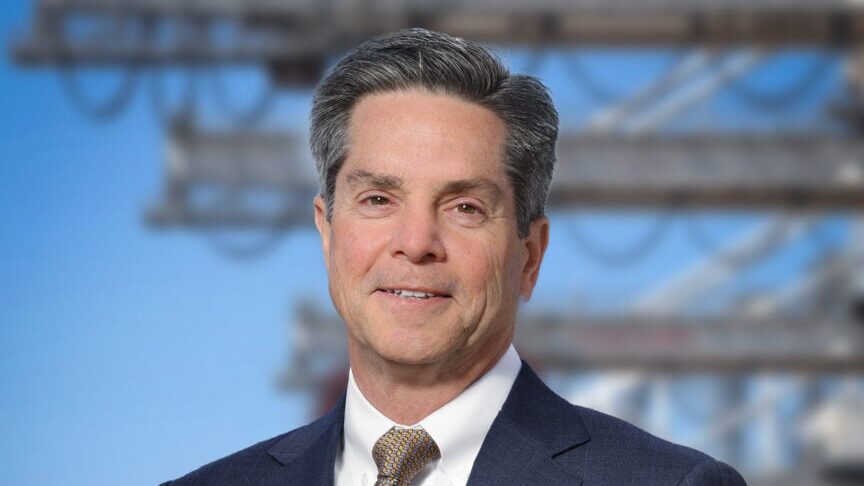
Bryan Blalock new President of Gateway Terminals Savannah
Mar 27, 2026 at 8:23 AM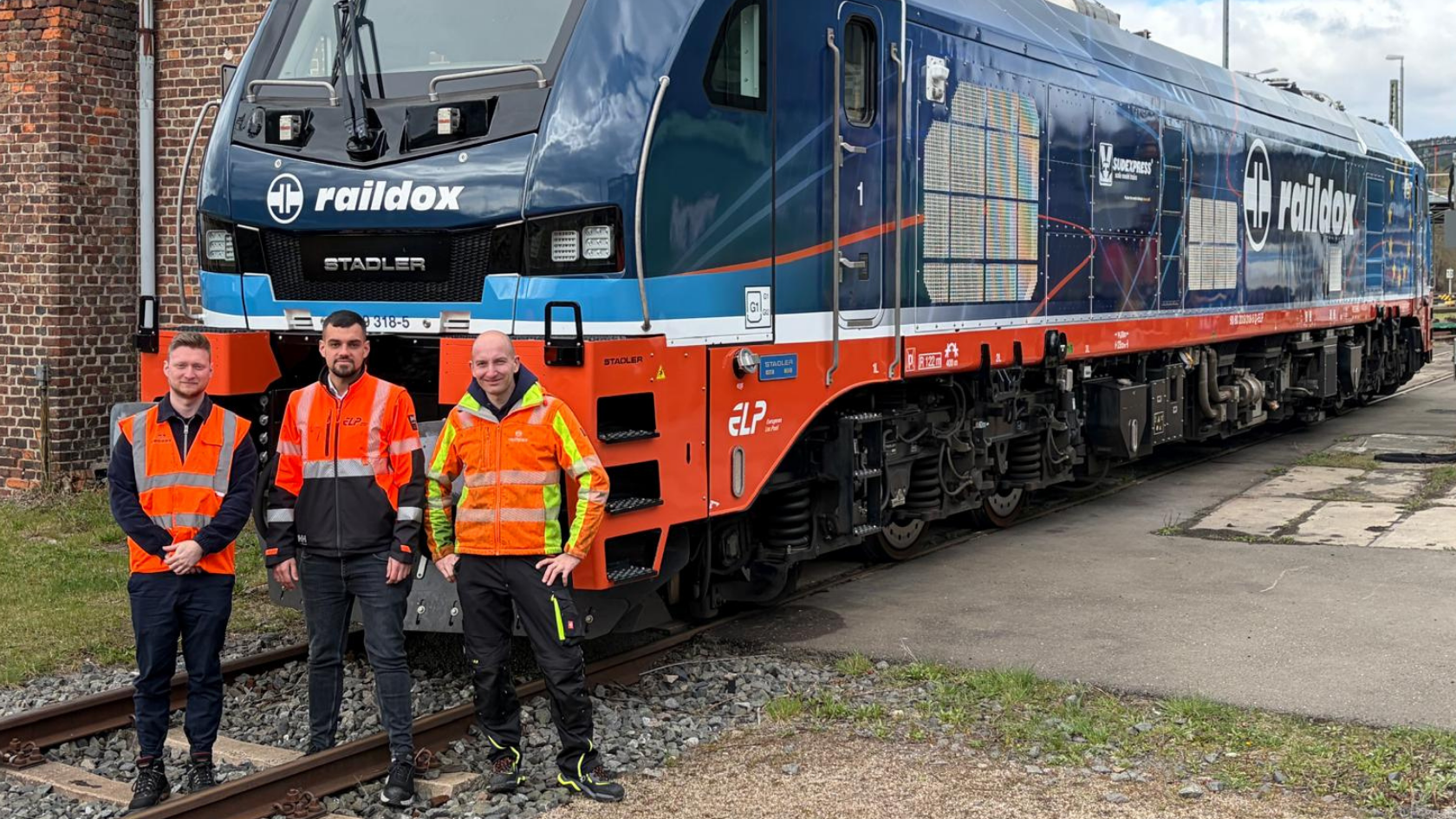
Raildox orders “Euro9000” multi-system locomotive
Mar 27, 2026 at 8:38 AM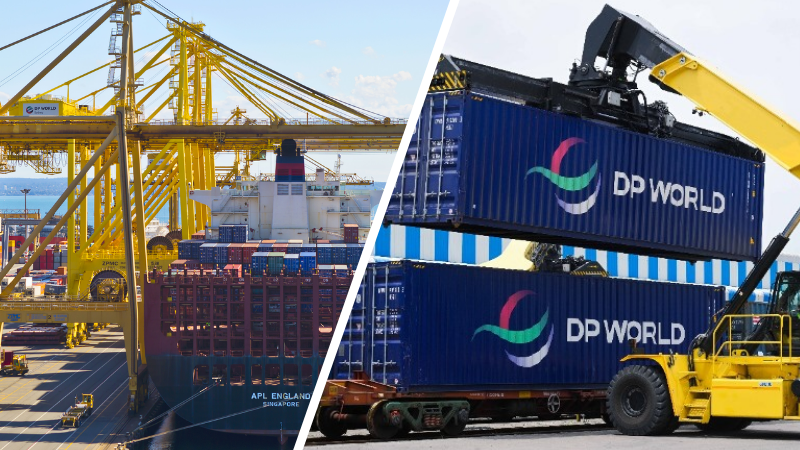
The Maritime Union of Australia (MUA) has urged the Australian government to promptly establish regulations for Artificial Intelligence (AI) in strategically important areas of the supply chain, such as port and stevedoring services. This demand comes against the backdrop of a global supply chain crisis and rising oil prices. The focus is particularly on DP World, which operates several container terminals in Australia and is pursuing a comprehensive automation and AI agenda driven by the company’s foreign owners.
DP World operates terminals in Brisbane, Sydney, Melbourne, and Fremantle, thereby securing a dominant position in the Australian container terminal market. The Australian management of the company is pursuing an agenda for the implementation of AI and automation, initiated by former global CEO Sultan Ahmed bin Sulayem.
According to the MUA, DP World has generated hundreds of millions of dollars from Australian businesses and consumers in recent years but has paid little tax in Australia. For over a decade, the company paid no corporate tax, while the wages of workers and the associated taxes, which amounted to nearly USD 50 million in 2025, represented the main contributions to the country’s economy.
Report on Automation and Job Losses
Together with the Centre for International Corporate Tax Accountability and Research (Cictar), the MUA presented the report „Job Losses and Profit Shifting at DP World: How AI Automation Threatens Australia’s Economic Well-Being“ in the Australian Parliament. The report describes how Dubai Ports plans to implement large-scale AI automation in Australia, which could jeopardize up to 1,000 jobs, or over 60% of the workforce. The proposed automation would replace skilled, unionized jobs with driverless vehicles and remotely operated cranes. This initiative contradicts the Australian government’s National AI Plan, which calls for consultation with workers and unions.
The report points out that the main goal of automation is not to improve supply chain efficiency but to reduce labor costs and increase profits. Higher fees passed on to businesses and consumers contribute to inflation.
The MUA has called for a series of measures to secure the Australian supply chain to protect the community and the economy from global shocks. These demands are particularly relevant in light of the recent oil crisis triggered by geopolitical tensions.
The report’s recommendations include:
– Strict oversight and transparency for AI systems in the workplace
– Protection of worker data and a ban on invasive surveillance practices
– Prioritization of safety, job security, and public benefit over corporate profits
– Ensuring full bargaining rights and protection of industrial action when implementing AI or automation
– Strengthening tax transparency and combating profit shifting and offshore royalty payments.