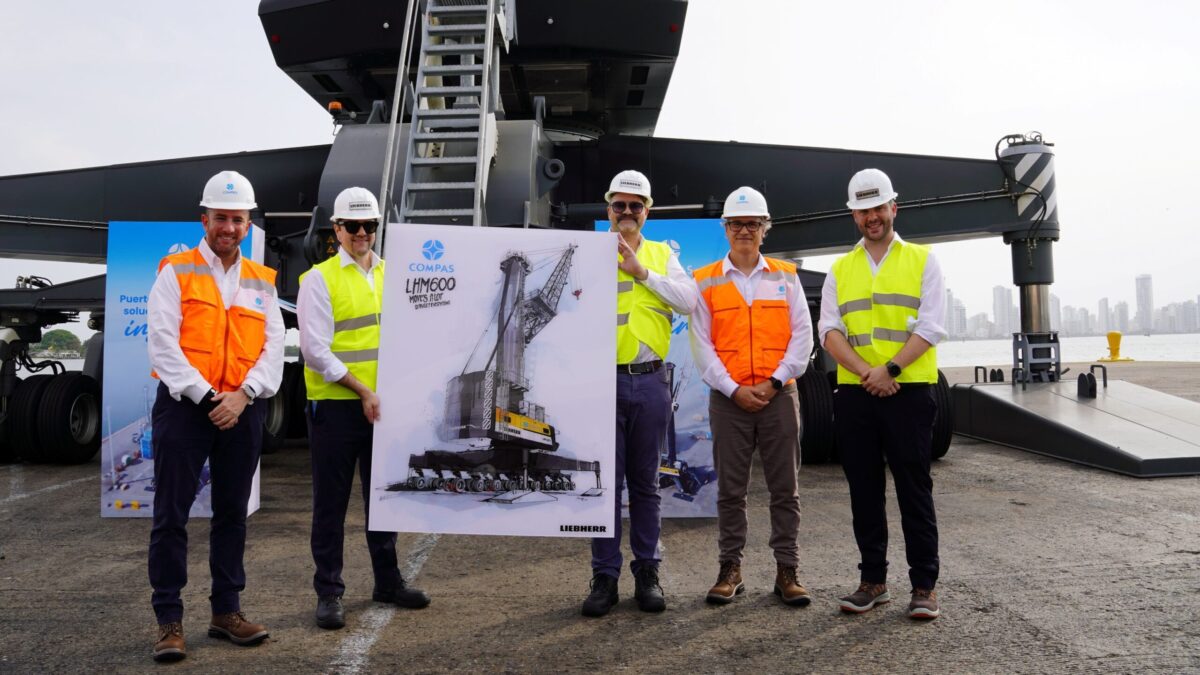




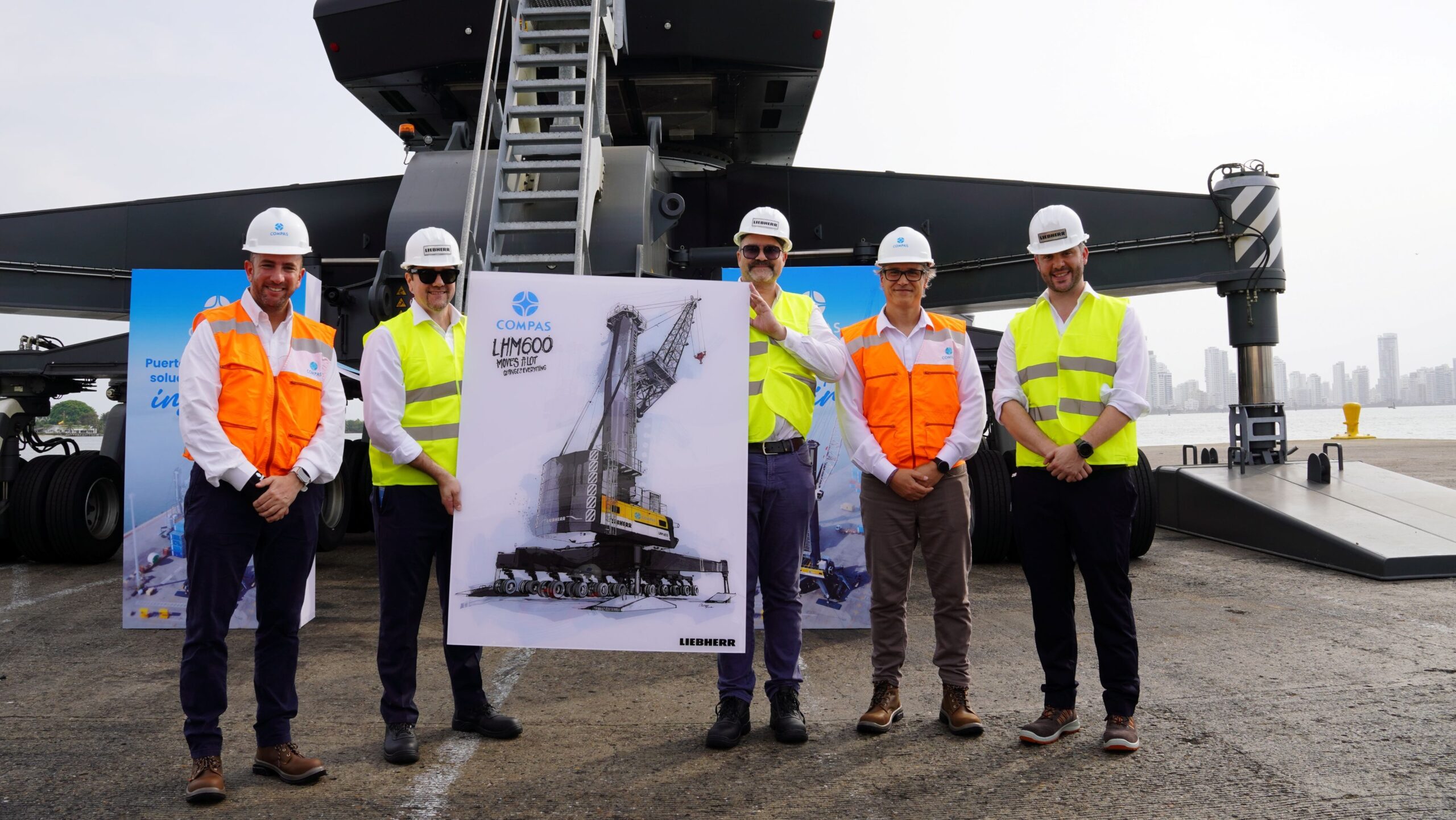
Compas launches new mobile harbor crane from Liebherr in Cartagena
Jun 16, 2026 at 11:44 AM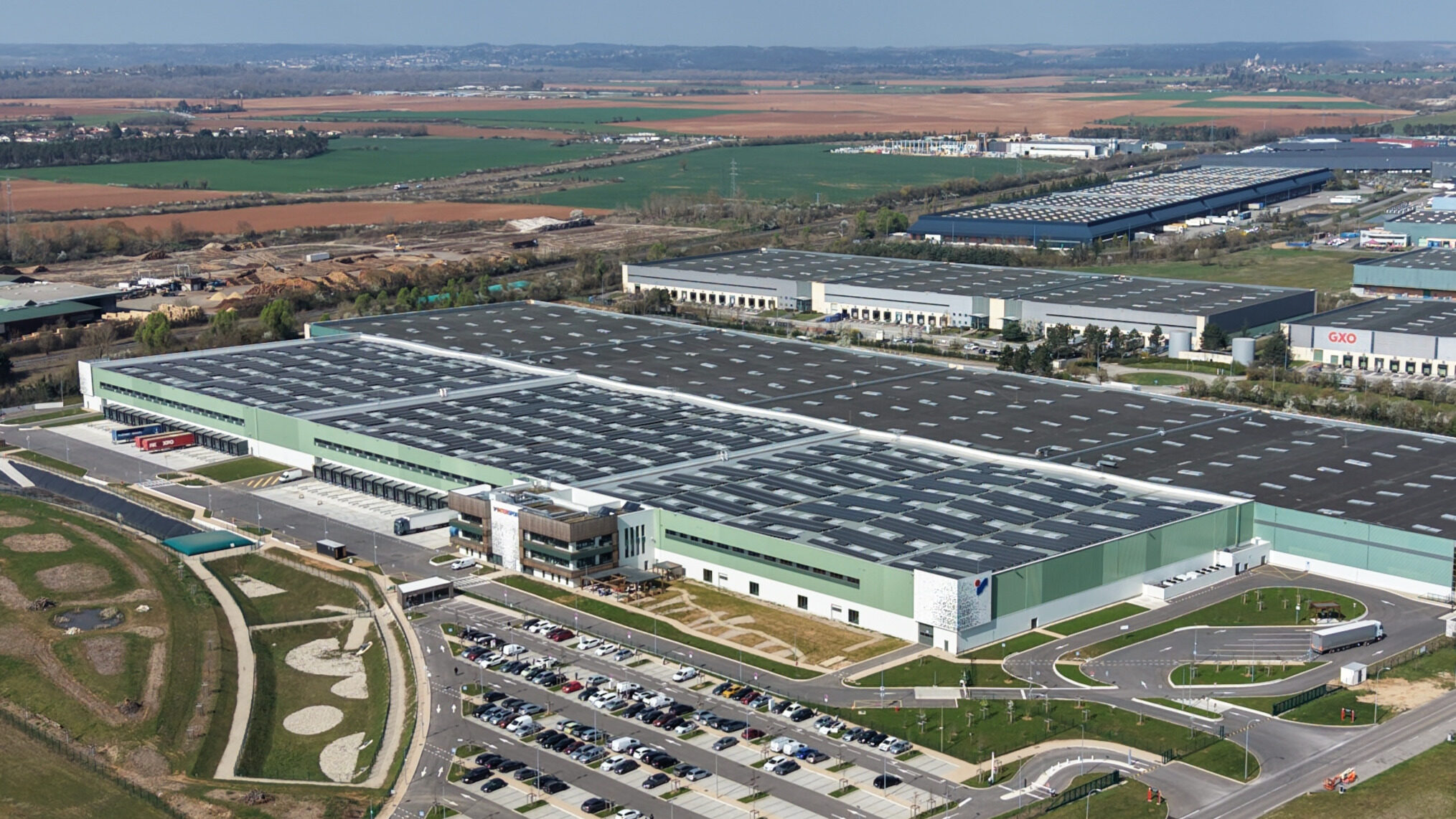
TGW implements FlashPick at INTERSPORT France
Jun 16, 2026 at 12:22 PM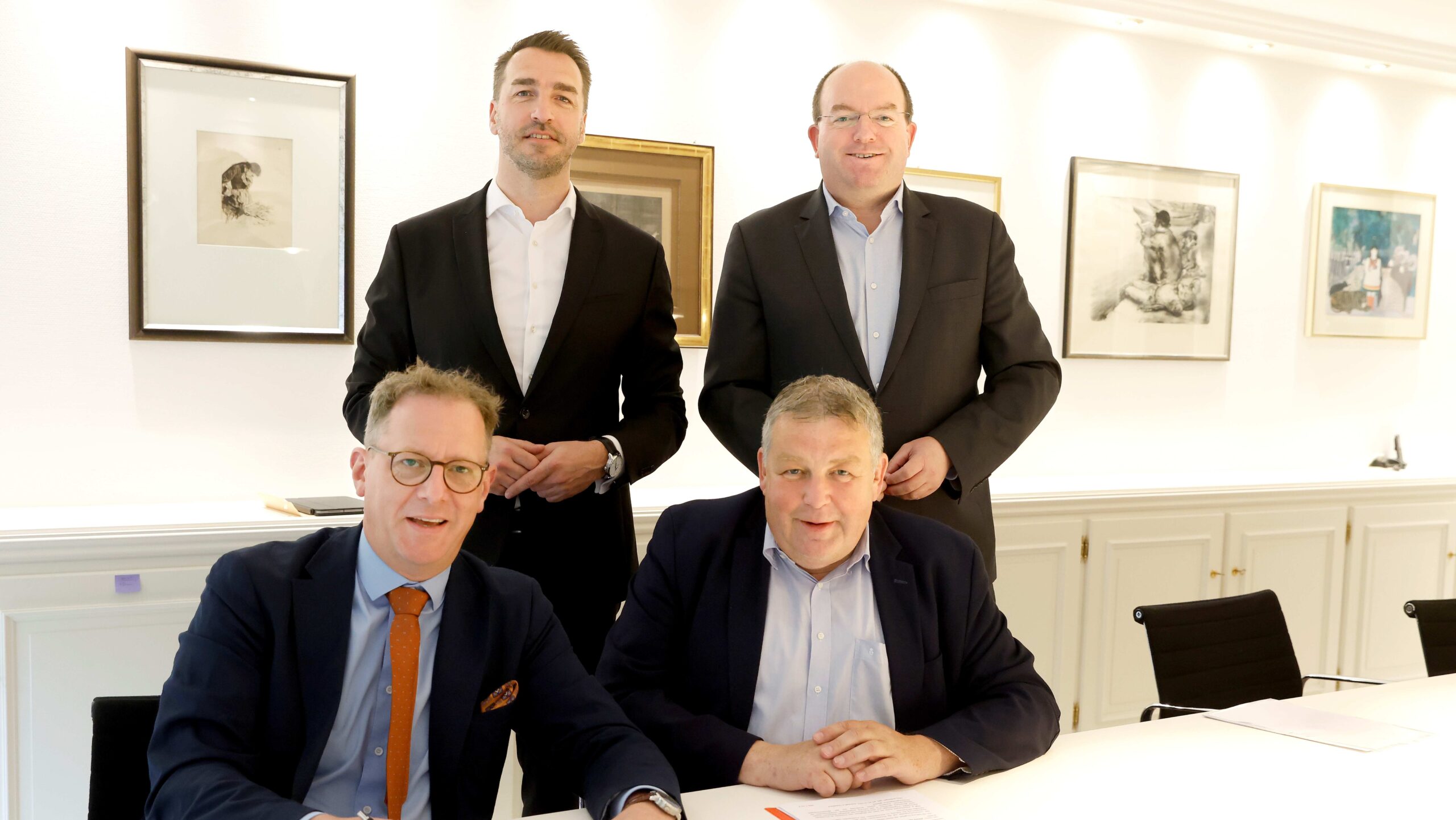
The Duisburger Hafen AG, Häfen und Güterverkehr Köln AG (HGK), Rhenus Logistics, and Viking Cruises AG established the „Allianz Wasserstraße“ on June 15, 2026. This initiative is supported by Hendrik Wüst, Minister-President of North Rhine-Westphalia, and Claudia Elif Stutz, State Secretary in the Federal Ministry of Transport. The signatories include Markus Bangen (duisport), Steffen Bauer (HGK), Michael de Reese (Rhenus Logistics), and Thomas Bogler (Viking).
Strengthening the Waterway as a Logistics Pillar
The alliance aims to consolidate the expertise and economic weight of the leading players in German inland ports and shipping. The goal is to strengthen the waterway as a central pillar for competitiveness, supply security, and climate-friendly logistics chains. A key focus is on the long-term securing of the strategic advantage of efficient waterways through clear representation of interests and concrete solutions for a robust infrastructure.
Minister-President Wüst emphasizes the importance of waterways and inland ports for the supply of the population and the logistics of the economy. He stresses that inland shipping plays a central role in the industrial future of North Rhine-Westphalia and that its potential has not yet been fully realized. Wüst welcomes the establishment of the alliance as a partnership aimed at further promoting inland shipping.
State Secretary Stutz adds that the alliance underscores the relevance of an efficient waterway-ship-port system for resilient and climate-friendly supply chains as well as the competitiveness of the industrial location. She emphasizes the need to focus on both the preservation of existing waterway infrastructure and the transformation of inland shipping.
Improving Framework Conditions and Digitalization
The alliance plans to strengthen the transport policy significance of the waterway in public and political discourse. A central concern is the improvement of framework conditions for a reliable infrastructure. Additionally, IT topics will be prioritized to optimize transport chains through digitalization and to counteract the shortage of skilled workers. The initiative also aims to scale climate-friendly transport and increase efficiency in traffic flows.
From now on, the alliance will intensify its exchange with associations and organizations along the entire supply chain to improve the interplay of transport modes through coordinated positions. Furthermore, dialogue with industrial customers and civil society will be sought to obtain a broader opinion and coordinate industry wishes.
The alliance does not see itself as a competitor to existing association structures but as a complement. It offers a framework for exchange and implementation and opens itself to collaboration with associations to jointly address relevant issues. A unified appearance towards political decision-makers at the federal and European levels is sought to give the waterway the visibility and priority that corresponds to its strategic importance.
Future Perspectives and Participation Opportunities
Following its establishment, the formal structuring of the alliance will be further advanced. The cooperation is open to all companies involved in intermodal transport chains, particularly industrial and commercial enterprises, as well as relevant associations and civil society groups. The goal is to create a broadly anchored, business-oriented platform that exerts influence at the national and European levels and actively shapes the future of the waterway system.
The participating companies express their views on the goals of the alliance. Steffen Bauer, CEO of the HGK Group, emphasizes the necessity of resilient value chains and sees waterways as an indispensable pillar for future-oriented logistics. Markus Bangen, Chairman of the Board of Duisburger Hafen AG, highlights the connection between the competitiveness of the German economy and the efficiency of waterways. Michael de Reese, CEO of Rhenus Port Logistics, calls for political priority for the waterway to advance its development. Thomas Bogler, member of the Board of Viking Cruises AG, sees efficient waterways as a key to the future of the transport system and the competitiveness of the economy.