


GA-ATS presents Do228 NXT
Jun 10, 2026 at 2:51 PM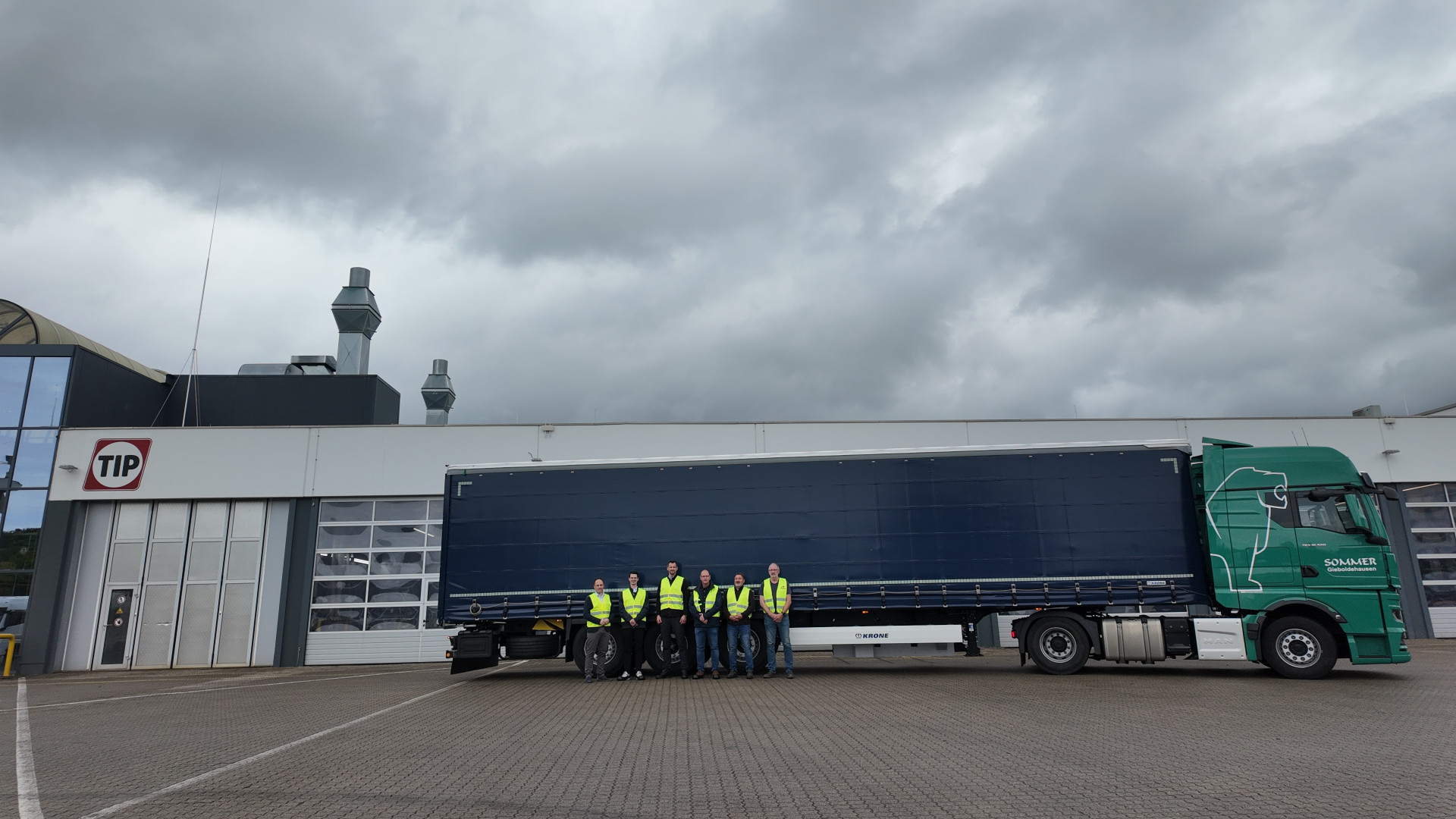
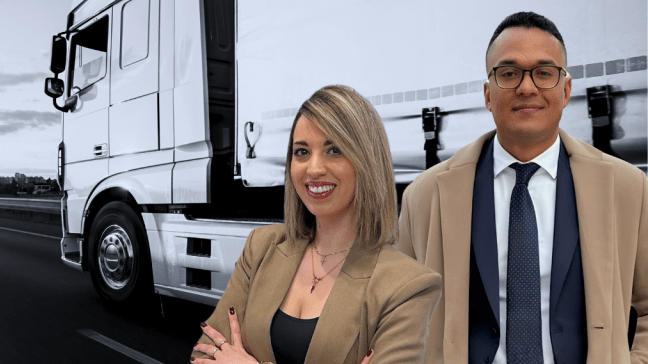
TIP Group, Nivalis, and BPW have announced the launch of a pilot project for a powered trailer without cooling. The test, which began at the end of May, is being conducted under real operating conditions with the fleet of the German transport company Sommer. The aim of the project is to evaluate the performance of a Nivalis Powered Trailer Kit mounted on a TIP Group trailer. This kit transforms a standard trailer into an intelligent, self-supporting unit that actively contributes to its own movement. This is intended to reduce the energy demand of the tractor vehicle without significantly increasing weight or changing operation for the driver.
Evaluation of Energy Support
As part of the pilot project, the technology-supported trailer system is being examined under real conditions in long-distance transport. The new system aims to reduce fuel consumption of trucks by up to 7,000 liters of diesel per trailer per year, which could lead to significant savings for heavily utilized fleets. Additionally, a reduction of CO2 emissions by up to 18 tons per trailer per year is targeted.
The Nivalis system integrates an electric axle (e-axle), developed in collaboration with BPW, directly into the trailer chassis. Unlike electrified e-Reefer cooling platforms aimed at operating refrigerated transports, the Powered Trailer system is designed to reduce the energy demand of the tractor through drive support and energy recovery. The batteries draw energy from three sources: the e-axle during braking, a photovoltaic system on the roof during the day, and a 32A AC three-phase connection during parking stops. The system continuously generates, stores, and distributes energy throughout the workday.
An integrated energy management unit (EMU) houses all electrical components, while an integrated power distribution unit (IPDU) controls all energy flows. A compact human-machine interface (HMI) displays the system status and battery charge level to the driver.
Economic Aspects and Savings
The Nivalis system has been developed to achieve significant fuel savings for long-distance routes, with projected savings of up to 7,000 liters of diesel and 18 tons of CO2 per trailer per year. The photovoltaic system on the roof can generate up to 3.7 kWp, further reducing dependence on the power grid.
Pavel Gilman, Vice President Sales & Marketing at Nivalis Energy Europe, explains: “Our e-system focuses on three goals: reducing fuel costs, minimal disruption to customer operations, and improved sustainability.” He adds that the transport industry can gradually become independent of fossil fuels without requiring extraordinary investments or changes to infrastructure.
Christian Schütz, Head of Fleet & Asset Management Central Region at TIP Group, emphasizes the importance of practical testing: “The central question is how the system performs under real transport conditions – across different routes, loads, and driving behaviors. This pilot provides us with the data and experience to assess this practically.”
Approvals and Readiness for Use
The administrative requirements for the approval and operation of technical innovations can be complex. However, TIP has successfully obtained the necessary approval for this trailer configuration, allowing registration and use in EU and EFTA countries in accordance with applicable national regulations. The high-voltage batteries from Nivalis are certified according to UN 38.3, and the electric drive system complies with UNECE Regulation No. 100 [2015/505].
Drivers can operate the trailer under standard European and national driving regulations without the need for additional licenses or training.
Outlook for the Industry
For TIP, this pilot expands the active portfolio of sustainable complete solutions already in use in Europe. The powered trailer opens a new dimension by addressing drive energy at the trailer level, rather than focusing solely on the tractor vehicle or auxiliary systems. Rogier Laan, Vice President Global Sales and Marketing at TIP Group, emphasizes: “Our customers need solutions that improve efficiency without disrupting operations. This pilot allows us to assess whether powered trailers provide measurable benefits in daily use and can make a significant contribution to decarbonization.”
Preliminary results of the pilot project will be published during the testing phase. Depending on the results, TIP and Nivalis plan to explore further European deployment opportunities.