




RheinCargo Restructures in the Freight Railway Sector
Dec 12, 2022 at 5:15 PM
SYSLOG plus: The Teaching and Learning Platform for Combined Transport
Dec 12, 2022 at 5:25 PM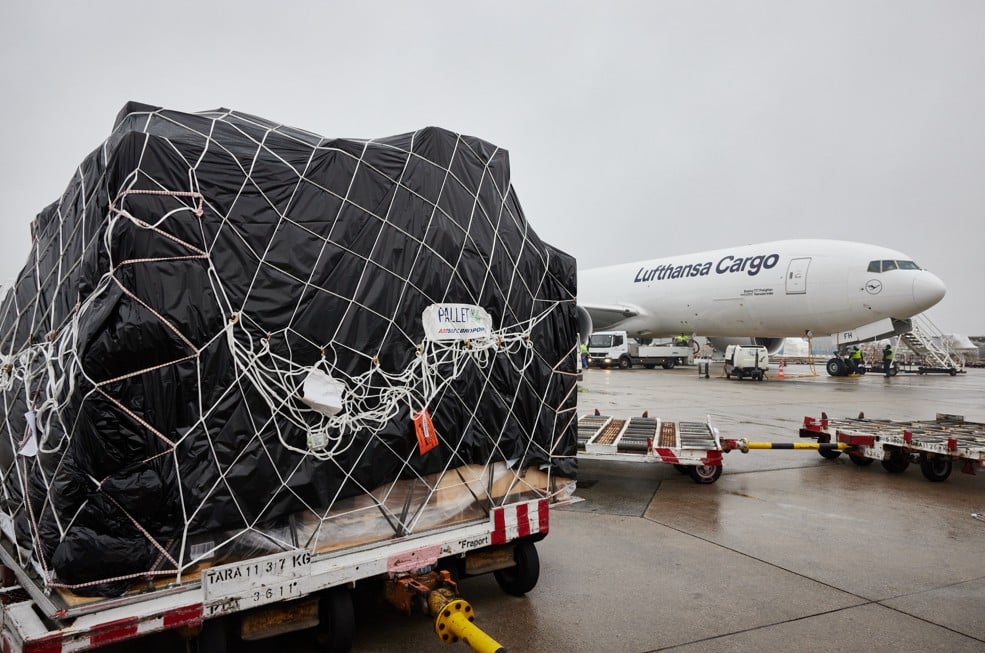
Starting January 2023, Lufthansa Cargo will utilize new, lighter transport nets for securing cargo pallets. The new nets, made from a special fiber, save over 50 percent in weight compared to conventional nets. This reduces weight on every flight and significantly decreases CO2 emissions. Lufthansa Cargo is the first airline to implement lightweight nets for an entire type of pallet. This move represents another consistent step towards greater sustainability for the cargo airline.
“The use of lightweight transport nets is another step for us on the path to reducing CO2 emissions. We have set ourselves the ambitious goal of halving our CO2 emissions per kilogram flown by 2030. To achieve this, we need to adjust many levers. Every measure counts. One of them is reducing the weight of our loading equipment,” says Dorothea von Boxberg, CEO of Lufthansa Cargo AG. “We operate all over the world – and at home. Therefore, global responsibility and sustainable, forward-looking action are part of our DNA. Our goal for 2050 is to be 100 percent CO2-neutral in the air, and we aim to achieve this goal on the ground by 2030.”
Reduced CO₂ Footprint by 440 Tons per Year
The innovative “Pallet Net Zero” nets from AmSafe Bridport, which Lufthansa Cargo will use through its subsidiary Jettainer, weigh between nine and eleven kilograms, which is less than half the weight of a conventional polyester fiber net. The weight reduction of the new nets is primarily achieved through the high tear resistance of the specially developed fiber, which is also made from renewable raw materials. With the reduced weight of the transport nets, Lufthansa Cargo saves around 140 tons of fuel and thus over 440 tons of CO2 per year, serving as another example of lived sustainability. At the same time, the nets are easier to handle without compromising the technical requirements that are so important for flight safety.
Photo: © Lufthansa Cargo