


TP Aerospace supports Warsaw Cargo with LFL program
Jul 14, 2026 at 1:44 PM
Turkish Cargo expands cargo center in Istanbul
Jul 15, 2026 at 7:57 AM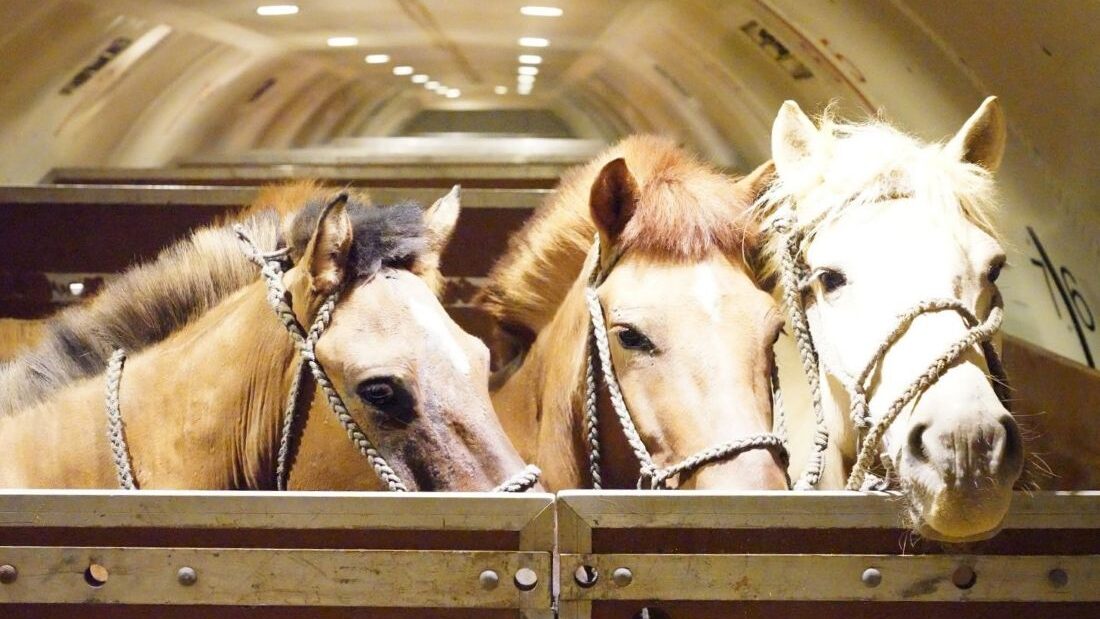
The airlift operation to repatriate 121 Mongolian horses from Hanoi to Ulaanbaatar is a remarkable example of precise coordination and planning in the field of animal transport. In July 2026, the animals were transported on three consecutive charter flights using a Boeing 757F within 38 hours. This initiative included the transport of 51 horses to Vietnam as well as the repatriation of 20 horses that had served in the Vietnamese mounted police back to Mongolia, along with the transfer of 50 additional horses to Vietnam.
Coordination and logistics in focus
The entire operation required close collaboration between the teams of Chapman Freeborn and Intradco Global, two companies of the Avia Solutions Group that specialize in the transport of live animals. The flights were scheduled to seamlessly interconnect, taking into account all necessary permits and veterinary care. The horses were transported in open stalls to meet their needs, which required additional ground support. Grooms Zac and Charlie Baker accompanied the horses on all three flights, while other team members supported the operations in Ulaanbaatar and Hanoi.
The repatriation of the 20 horses was particularly symbolic, as they were the same animals that had been flown to Vietnam in January 2020 to support the local mounted police. This return was initiated by a presidential decree in Mongolia that announced the official celebration of the first World Horse Day in the country and requested the return of the horses.
A historic moment for Mongolia
The arrival of the horses in Ulaanbaatar was celebrated with a ceremony attended by high-ranking representatives from both countries. This was the first time that Mongolia received horses from abroad, highlighting the significance of this initiative. The close cooperation between the Mongolian and Vietnamese authorities was crucial for the success of the operation, which not only addressed logistical challenges but also considered cultural and historical dimensions.
Latha Narayan, President of Chapman Freeborn for the Asia-Pacific region, emphasized the importance of collaboration and the specialized knowledge required for such sensitive transports. “Projects of this nature require more than just the capacity of an aircraft. They are based on trust, detailed planning, and continuous coordination,” she explained.
Charlie McMullen, CEO of Intradco Global, highlighted that the focus is always on the welfare of the animals and that every step of the transport must be carefully planned. The successful execution of this complex movement demonstrates Chapman Freeborn’s ability to combine global air freight capacities with expertise in the transport of live animals.