




Realignment of leadership at IRS
Apr 7, 2026 at 10:01 AM
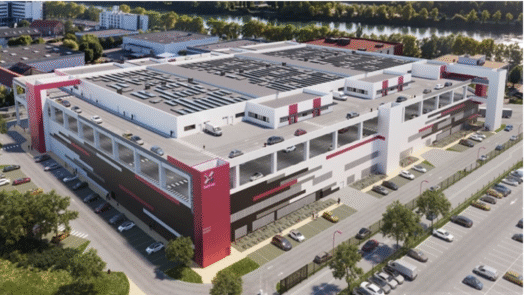
Luxembourg company establishes itself in Bilbao
Apr 7, 2026 at 10:48 AM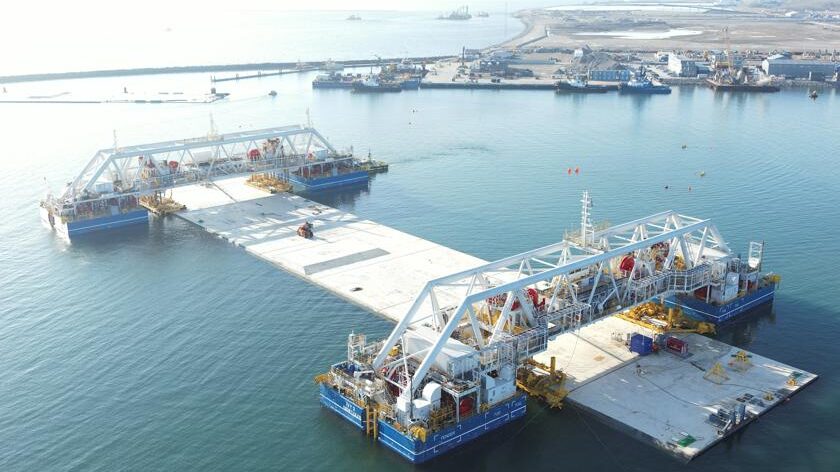
The special ship IVY, responsible for sinking the large elements of the Fehmarnbelt Tunnel, has passed the final crucial tests and has been approved by the relevant maritime authorities. This allows the tunnel consortium FLC to begin preparations for sinking the first tunnel segment in the trench off the coast of the Danish island of Lolland as early as this spring.
The ship IVY consists of two interconnected units that can grasp the tunnel segment. It is equipped with a total of 23 km of steel cable distributed across 66 drums. This technology is necessary to sink the 217 m long tunnel sections to a depth of 40 m with the highest precision.
Lasse Vester, Deputy Contract Director at Sund & Bælt, the client for the 18 km long sunk tunnel connection to Germany, explains: “IVY is a unique ship specifically designed for the construction of the Fehmarnbelt Tunnel. The ship’s task is complex, which is why a variety of tests were necessary to ensure that it meets the high technical and safety requirements from both us and the authorities. Now that the approval has been granted, we are ready for the sinking.”
Preparations for the Tunnel Trench
In parallel with the tests of IVY, FLC has prepared the first phase of the tunnel trench in front of the tunnel portal at Rødbyhavn. This includes, among other things, dredging and laying a uniform layer of gravel to ensure that the bottom of the trench is completely level.
In the course of April, IVY will be brought to the quay at the working harbor of the tunnel construction factory with the tunnel segment attached beneath it. There, concrete ballast will be filled into the element to make it heavy enough to sink. Subsequently, IVY will transport the element to the tunnel trench and sink it in a controlled and precise maneuver.
“IVY has now passed all tests, and we look forward to FLC beginning the sinking of the first tunnel segment this spring. This will be a challenging operation that we will have to carry out a total of 88 times until all elements are in place,” Lasse Vester continues.
The construction of the Fehmarnbelt Tunnel is delayed by at least two years and is expected to be completed in 2032. Sund & Bælt will update the project schedule after the first tunnel sections have been sunk.
The project is one of the largest infrastructure initiatives in Europe and includes the construction of an 18 km long sunk tunnel between Denmark and Germany, as well as the land facilities on both sides. The tunnel will feature two lanes in each direction and two electrified tracks for high-speed trains. The travel time will be ten minutes by car and seven by train.
The connection is intended to strengthen trade, mobility, and cooperation between Northern and Southern Europe. The project is funded by users and receives support from the EU Commission.