



Ford Trucks uses Driventic retarder
Jul 14, 2026 at 8:52 AM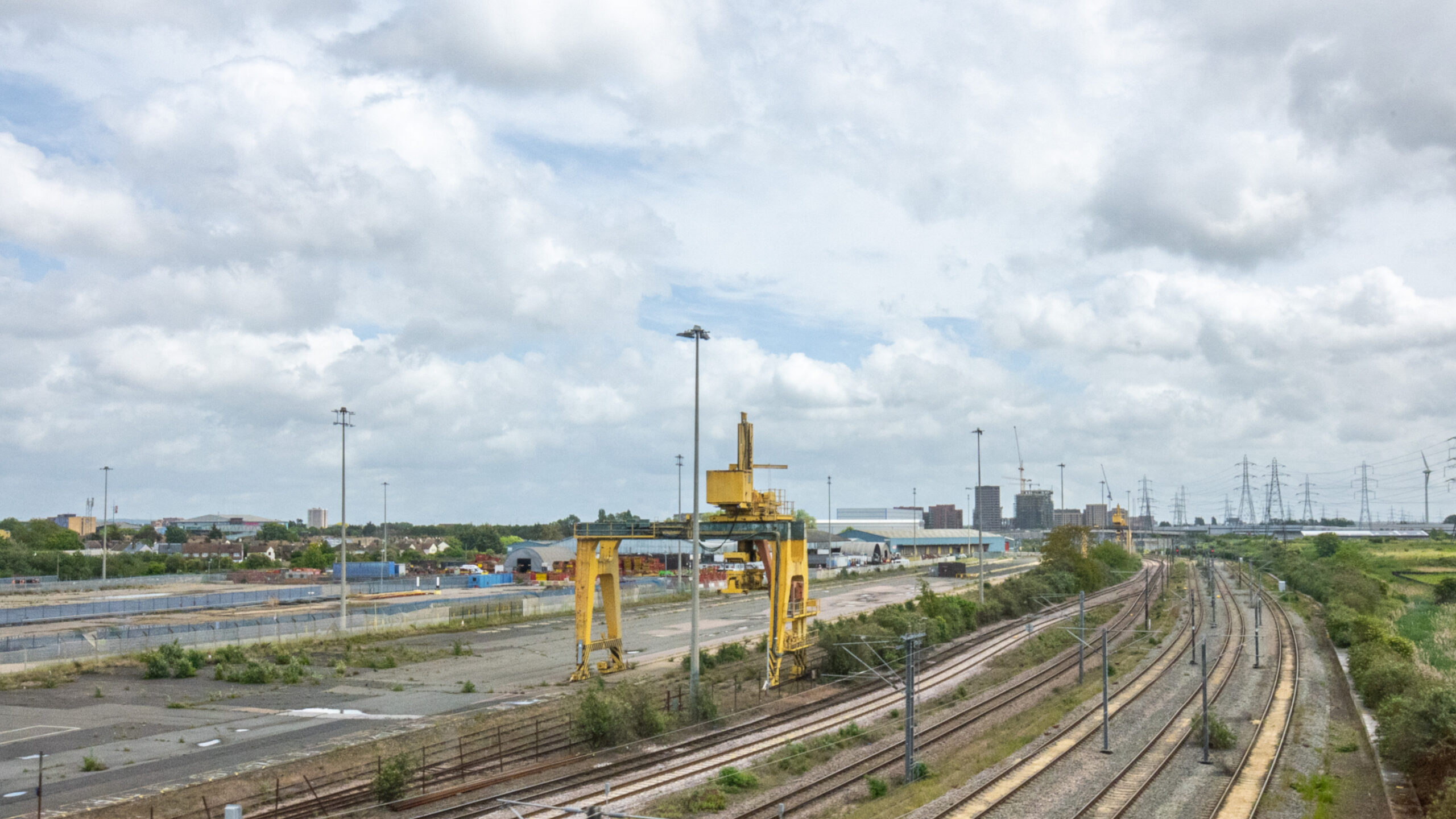
Renovation of Barking Eurohub in London begins
Jul 14, 2026 at 9:31 AM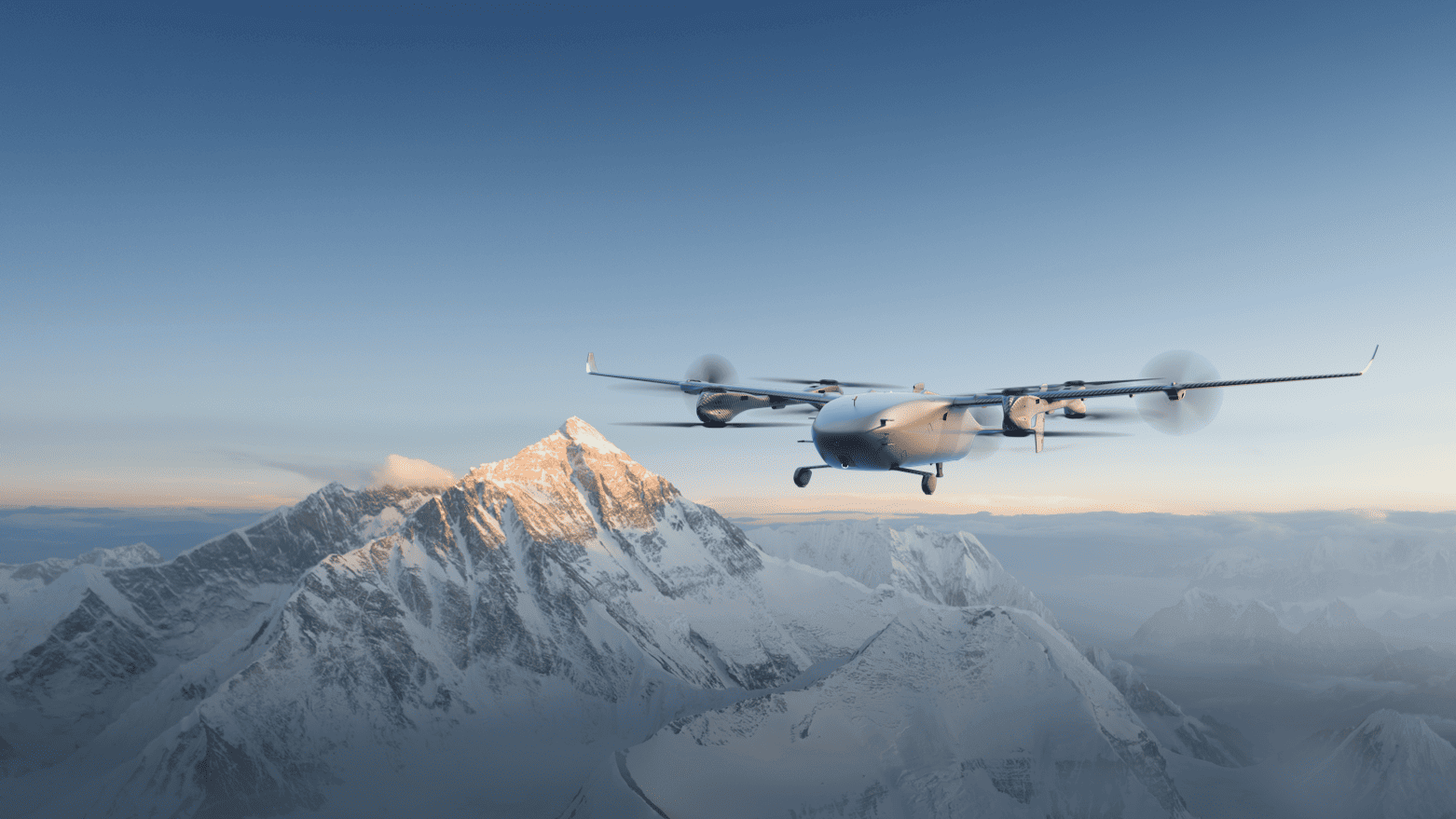
DJI from Shenzhen recently completed several successful missions at Mount Qomolangma, also known as Mount Everest. These operations aim to achieve advancements in high-altitude logistics, mapping, and atmospheric research. The missions utilized the new DJI FlyCart 100 for deliveries and the DJI Matrice 4E for mapping purposes.
The current operations build on DJI’s long-standing tradition of expanding the capabilities of drone technology in extreme altitudes. In 2009, DJI tested an unmanned helicopter model with a self-developed flight control system on the mountain. A year later, the DJI Ace One system was successfully deployed at elevations above 4,700 meters. In 2022, a DJI Mavic 3 reached the summit, providing the first drone footage of the 8,848.86-meter-high mountain. In 2024, the DJI FlyCart 30 conducted the world’s first drone deliveries from base camp to Camp 1 on the south side.
Efficient high-altitude logistics with DJI FlyCart 100
The DJI FlyCart 100 is a powerful delivery drone capable of transporting up to 100 kg at sea level over long distances. In collaboration with the Nepalese drone company Airlift, the performance and payload capacity of the drone model were tested at high altitudes. The tests included verifying range, RTK positioning accuracy, and battery life at extreme temperatures between -15 °C and 5 °C. During the tests, the drone transported a total of 10,073 kg of materials and waste between base camp and Camp 1, including 7,215 kg of climbing gear and 2,858 kg of waste removed from the mountain. A single flight took only eight minutes, while Sherpas traditionally required six to eight hours for the same transport.
The DJI FlyCart 100 will continue to support the Nepalese climbing community by transporting approximately 5,000 oxygen cylinders annually between base camp and Camp 1. Additionally, the drone will help remove around 10 tons of waste from higher camps, aligning with Nepal’s sustainability initiatives.
Supporting scientific research on climate change
DJI also tested its first eVTOL delivery drone, the DJI EV50, to conduct precise measurements of atmospheric pollutants in the high-altitude troposphere. Over a period of twelve days, the drone transported ozone-measuring devices from Peking University twelve times from base camp in the Qomolangma National Reserve. This operation marked the first use of drones for high-altitude atmospheric observations by researchers.
Over the past 20 years, DJI has dedicated itself to the advancement of drone technology and plans to continue collaborating with local partners, climbing communities, and scientists to further explore and expand the capabilities of drone technology in extreme environments.