




Routes through the Arctic remain a niche solution
Apr 28, 2026 at 1:40 PM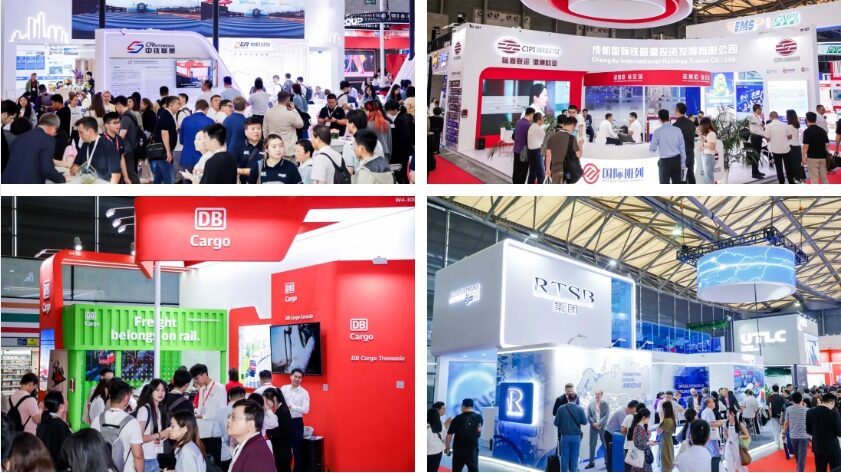
Inauguration of the “China Railway Express Pavilion”
Apr 29, 2026 at 7:00 AM
The global third-party logistics (3PL) industry has undergone significant changes in recent years and is currently in a phase of growth and transformation. According to a recent analysis by Armstrong & Associates, the 3PL market reached nearly $1.3 trillion in 2025 and is expected to grow to approximately $1.4 trillion by 2026. This development is driven by several factors, including the rise of e-commerce, the expansion of AI and cloud infrastructures, and the increasing complexity of global supply chains.
Growth factors and market trends
The demand for 3PL services varies significantly across different industries. The technology sector shows the fastest growth, attributed to the rising demand for semiconductors and data-centric infrastructure. Retail closely follows, as the e-commerce revolution has created an unprecedented need for warehousing and last-mile delivery. The healthcare sector is also experiencing strong growth, particularly due to the proliferation of biological therapies and the expansion of cold chain infrastructure spurred by the COVID-19 pandemic.
The competitive landscape among 3PL providers is also changing. Consolidation among large multinational shippers favors about 18 3PL providers that have the necessary network size to offer integrated cross-border solutions. Digital freight brokers and technology-driven intermediaries are gaining market share by leveraging productivity gains and platform efficiency, challenging traditional freight brokerage models.
Strategic partnerships and customer relationships
The analysis by Armstrong & Associates shows that 94% of Fortune 500 companies now collaborate with at least one 3PL provider, an increase from just 46% in 2001. This indicates that the integration of 3PL services into corporate business strategies is becoming increasingly important. The average number of services offered by 3PL providers per customer relationship is 2.58, with larger companies tending to utilize a broader range of services.
The study highlights that the nature of relationships between 3PL providers and their customers is becoming increasingly strategic. About 31% of 3PL customer relationships exhibit „more strategic“ characteristics, indicating deeper integration and collaboration. In particular, the demand for specialized 3PL services has increased in the technology, retail, and healthcare sectors.
Regional differences and market development
The regional analysis shows that North America is experiencing the fastest growth in the 3PL sector, particularly in retail and healthcare. The Asia-Pacific region is dominated by electronics manufacturing, while Europe faces challenges in the automotive industry while simultaneously experiencing rising e-commerce demand. In Central and South America, technology services and retail are seeing the fastest growth, while commodity-exposed industries such as chemicals are stagnating.
The study predicts that uncertainties in trade policy, particularly regarding USMCA negotiations and trade relations between the US and China, will continue to influence supply chain structuring. Additionally, the accelerated adoption of AI and automation in warehouses will redefine expectations for visibility and speed in the supply chain.
Overall, the analysis indicates that the 3PL industry is not only growing but is also increasingly evolving towards strategic partnerships and integrated services to meet the complex demands of global supply chains.