



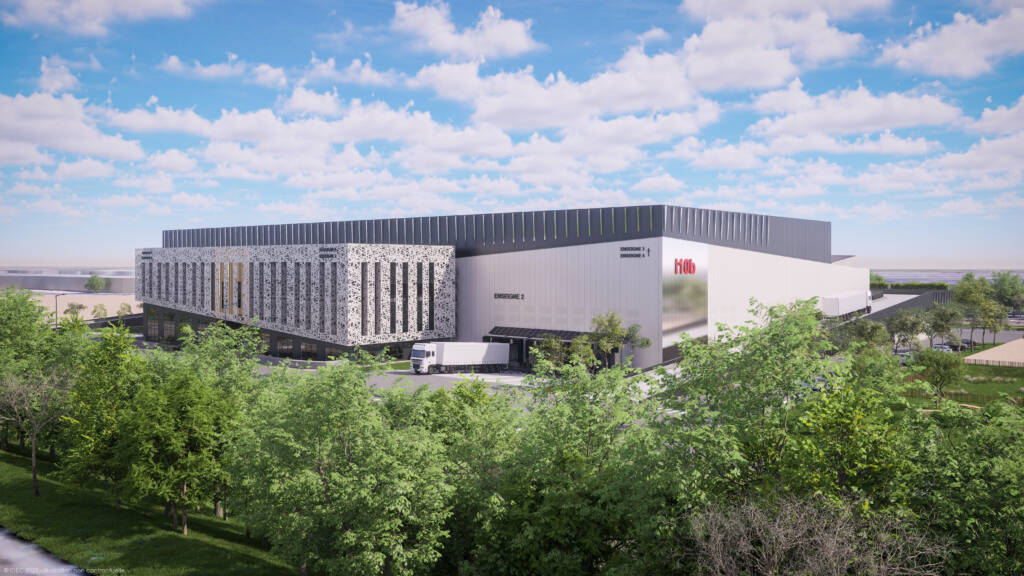
Novel cold storage facility near Paris
Jul 2, 2026 at 11:12 AM
Shore power connection in Puttgarden for Scandlines ferries
Jul 2, 2026 at 11:41 AM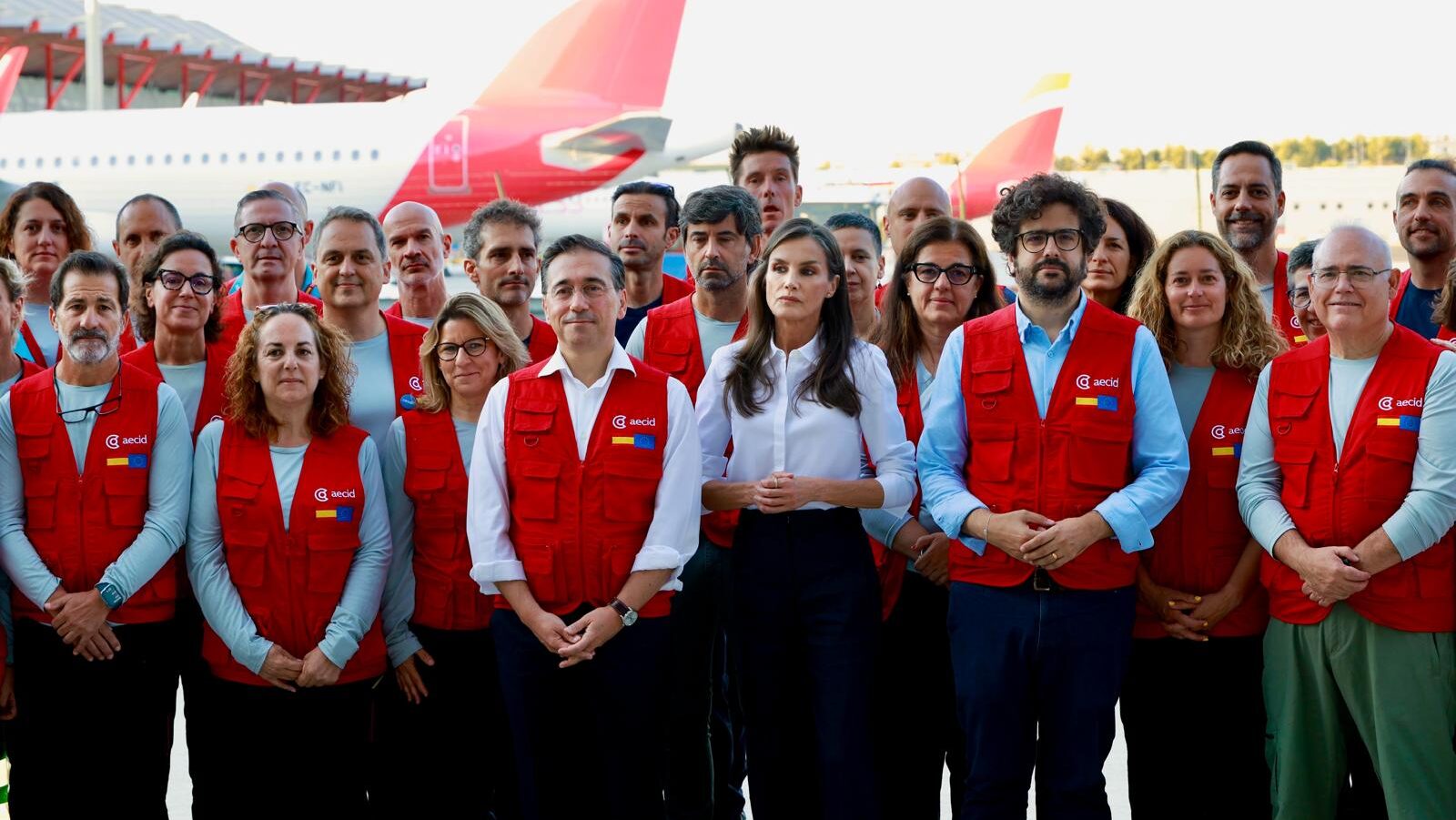
With a humanitarian special flight, Iberia transported a complete field hospital of the Spanish development agency AECID to Venezuela. The A330-300 took off on July 1 from Madrid to Valencia (Venezuela) and brought the mobile hospital of the START team (Spanish Technical Aid Response Team) along with 45 doctors, nurses, logistics and technical experts, and an additional 1,212 kg of aid supplies collected by the airline, SEPLA Ayuda, and Iberia’s medical service to the country affected by severe earthquakes. The mission was sent off by Spain’s Queen Letizia and Foreign Minister José Manuel Albares.
The focus of the mission is logistics. The START field hospital is designed to be operational within 24 hours of arrival and can operate completely autonomously for at least two weeks. It has its own energy, water, and sanitation systems and can provide outpatient care for more than 100 patients daily. The facility has been certified as an Emergency Medical Team (EMT-1) by the World Health Organization since 2025 and was already deployed after the earthquakes in Turkey and Syria in 2023.
Proven humanitarian air bridge
The flight is part of a comprehensive Spanish aid operation. Immediately after the disaster, Madrid provided €1 million in emergency aid and sent a reconnaissance team to Venezuela. The assistance is part of the EU Civil Protection Mechanism, which coordinates international operations and aims to avoid duplication of efforts. At the same time, the European Union is organizing a humanitarian air bridge with around 50 tons of aid supplies and is additionally providing €5 million for emergency shelters and medical care.
For Iberia, this deployment is another example of the role of commercial aviation in humanitarian crises. In addition to transporting aid supplies, airlines are increasingly taking on time-critical missions for government aid organizations. Particularly for modular field hospitals and medical equipment, high payload capacity, short response times, and reliable air freight logistics are crucial to quickly ensure the supply of the population after natural disasters.