



BTK is doing well 25 years after the management buyout
Feb 18, 2025 at 6:29 PM
Rhenus Port Logistics with Storage for the SuedLink Power Line Project
Feb 22, 2025 at 5:15 PM
The increasing reporting obligations and regional special regulations due to climate protection requirements are putting massive pressure on German shipping companies. They must collect and report a multitude of data at national, European, and global levels – often multiple times, in different systems, and with varying deadlines.
(Hamburg) This administrative burden affects not only large companies but especially small and medium-sized shipping companies, which make up 80 percent of the German shipping industry.
An example illustrates the extent: The northern German family shipping company Rambow operates twelve container ships in Europe and two multipurpose ships worldwide for the transport of various goods. Captain Manfred Hirsch reports frustrated: “By now, we spend almost more time on board dealing with bureaucracy than with our actual tasks such as navigation and maintenance. Emission data must be entered into numerous systems, each with its own requirements and deadlines. For the officers, this effort is hardly manageable alongside their daily business.”
The management also feels the strain. Malte Rambow describes the impact on the company: “Our core business – sea transport and ship operation – is increasingly taking a back seat. The growing regulations and unclear reporting obligations are holding us back and jeopardizing our competitiveness.”
Regulatory Chaos and Uncertainty Due to EU-ETS
Since 2024, shipping has been integrated into the EU Emissions Trading System (EU-ETS). Shipping companies must record their CO₂ emissions and acquire corresponding certificates. However, the delayed national implementation in Germany has caused uncertainty. Meanwhile, other countries like Turkey and the UK are going their own ways and establishing their own emissions trading systems for shipping.
The result: A patchwork of regulations with different requirements, reporting formats, and deadlines. The increasing bureaucracy ties up valuable resources, overloads personnel, and complicates the efficient operation of ships.
Martin Kröger, Managing Director of the Association of German Shipowners (VDR), warns: “Our companies cannot afford their own department for bureaucracy. They should focus on goods transport and climate protection – not on searching for the right online portal for ever-new reports. We urgently need a simplification of reporting obligations and an end to European special paths.”
In addition to the EU-ETS, shipping companies must comply with the FuelEU Maritime Regulation starting in 2025. It stipulates that the greenhouse gas intensity of the energy used for ships must not exceed certain limits – another bureaucratic hurdle.
Kröger criticizes: “The FuelEU Regulation is well-intentioned but misses the reality of the industry. The responsibilities are not practically regulated.” In shipping, there are often multiple actors:
- Ship owners,
- Charterers who rent the ship and procure the fuel,
- Ship managers who are responsible for safe operation.
According to the regulation, however, the ship manager is supposed to ensure compliance with the regulations – even though they have no influence on fuel purchases. This leads to uncertainty and impractical regulations.
Sustainability Reporting – New Wave of Bureaucracy
In addition to climate reports, the EU is also increasingly demanding sustainability reports (Corporate Sustainability Reporting Directive – CSRD). Starting in 2024, large shipping companies must prepare detailed reports on ecological and social aspects. From 2026, this obligation will also apply to small and medium-sized enterprises. The additional documentation ties up further resources and significantly increases administrative effort.
Industry Calls for International Standardization
EU Commission President Ursula von der Leyen has recognized the issue and announced a reduction in bureaucracy. However, the industry needs quick, concrete measures.
The VDR demands a radical simplification of regulations. “We need international harmonization of climate protection requirements, data collection, and reporting obligations,” emphasizes Kröger. “The federal government must decisively advocate for reducing bureaucracy in Europe – otherwise, Europe risks losing its international competitiveness.”
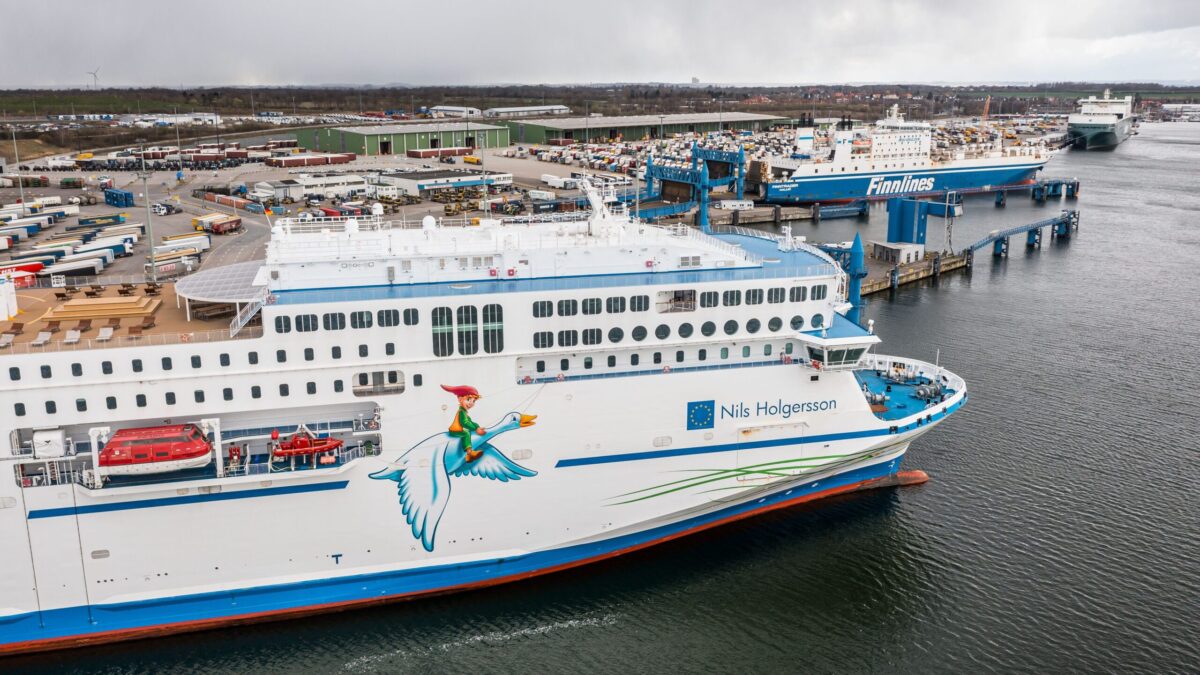
Photo: © Loginfo24