
First three cranes for Milan-Smistamento
Mar 2, 2026 at 12:20 PM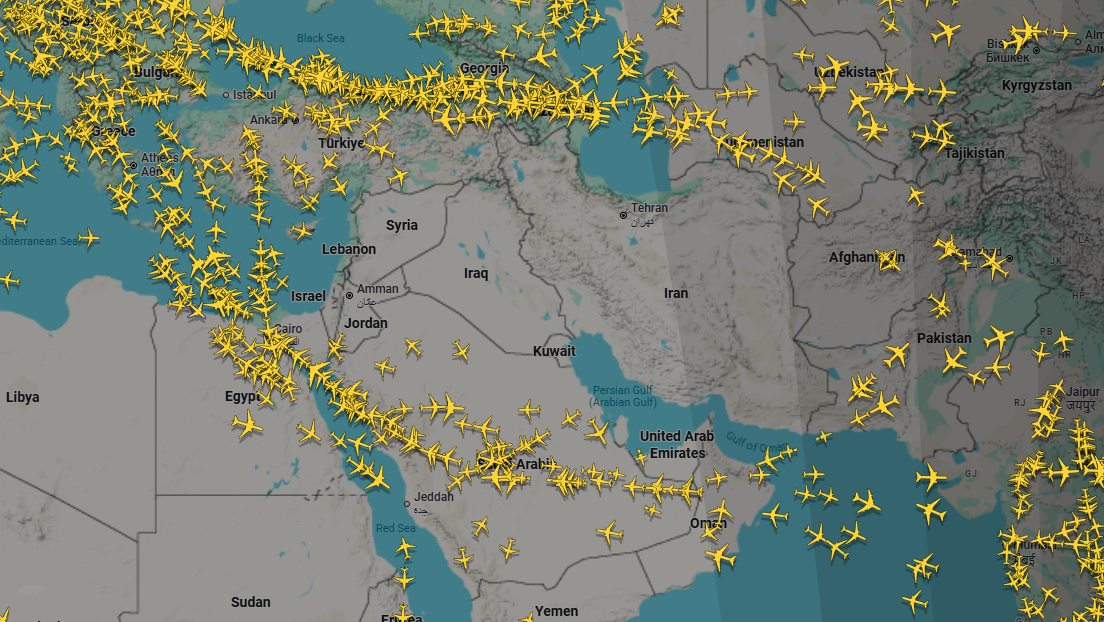
Maritime operators are currently rethinking their routes through the Strait of Hormuz as reports of attacks and increased military activities rise. This waterway is crucial for the global energy market, as approximately 20% of the world’s crude oil is transported through it. According to a statement from UK Maritime Trade Operations (UKMTO), there are „significant military activities“ in the Arabian Gulf, the Gulf of Oman, and the Strait of Hormuz. Additionally, there have been reports of „increased electronic disruptions“ affecting navigational communications and the Automatic Identification System (AIS).
The impacts on the market are already noticeable. A report from the Wall Street Journal describes an almost complete standstill of tanker traffic through the Strait of Hormuz and documents significant price fluctuations in oil and European gas prices linked to the disruptions. Wood Mackenzie also warns that a prolonged closure of the strait could affect about 15% of global oil supply and 20% of global LNG supply.
The aviation industry is also affected. Due to restrictions in the regional airspace, airlines have suspended or rerouted flights, increasing flight times and fuel consumption on affected east-west routes. Emirates, for example, has extended the suspension of flights to Dubai, highlighting the impact of the widespread disruptions in airspace.
Logistics providers face immediate operational challenges: longer maritime routes and higher costs for risk management at sea, as well as fewer direct and more expensive air freight options for time-sensitive shipments. Planning for emergency measures, alternative access points, and careful contract clauses regarding surcharges and transit obligations are crucial to ensure the stability of supply chains.