
One Million Containers at the Wilhelmshaven Container Terminal
Sep 19, 2025 at 7:00 PM
Transco Breaks Ground on New Logistics Center in Singen
Sep 23, 2025 at 6:05 PM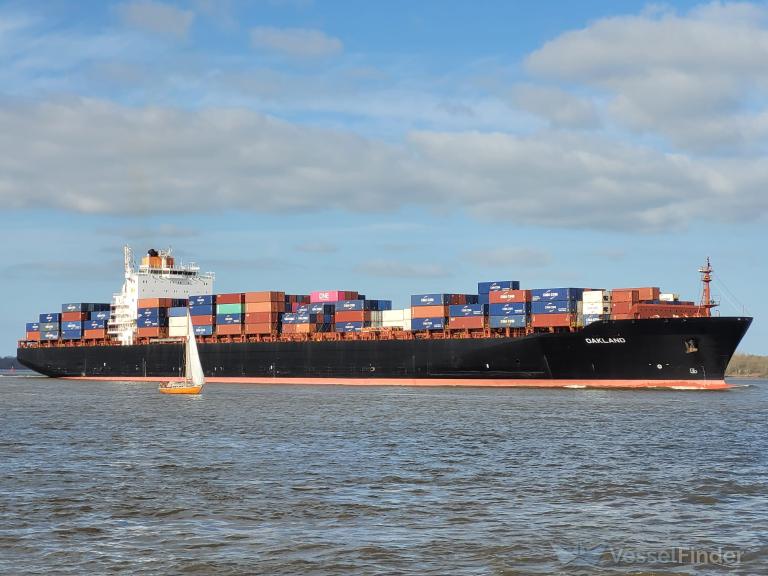
In the Arctic, glaciers and ice are melting. While this could prove to be a disaster for the environment, it particularly pleases Chinese exporters, as a new, faster sea route to Europe is opening up, reducing travel time by up to 40%. The first voyages are already underway. On Saturday, September 20, 2025, the MS “Istanbul Bridge” of the Haijie Shipping Company will set sail from China to Europe.
(Qingdao/Hamburg) A new shipping concept connects Asia and Europe via previously underutilized sea routes: Instead of traditional routes, the northern sea path along the Arctic coasts is increasingly being used. This not only promises significantly shorter transit times but also raises political and ecological questions.
On September 20, 2025, the container ship Istanbul Bridge of the Chinese shipping company Haijie Shipping Company departed from the Chinese port of Qingdao. The goal is the first regular container shipping route across the Arctic Ocean, called the “China-Europe Arctic Express.”
The route connects the Chinese ports of Qingdao, Shanghai, and Ningbo-Zhoushan with the European ports of Felixstowe, Rotterdam, Hamburg, and Gdańsk. This route significantly reduces travel time between certain Asian and European destinations – ships traveling via the Arctic can save up to 40% time compared to the old sea routes.
However, navigability depends on the ice conditions; for now, the route will only be used seasonally as long as the Arctic waters are sufficiently ice-free. Ships with higher ice class are planned to extend the usage period.
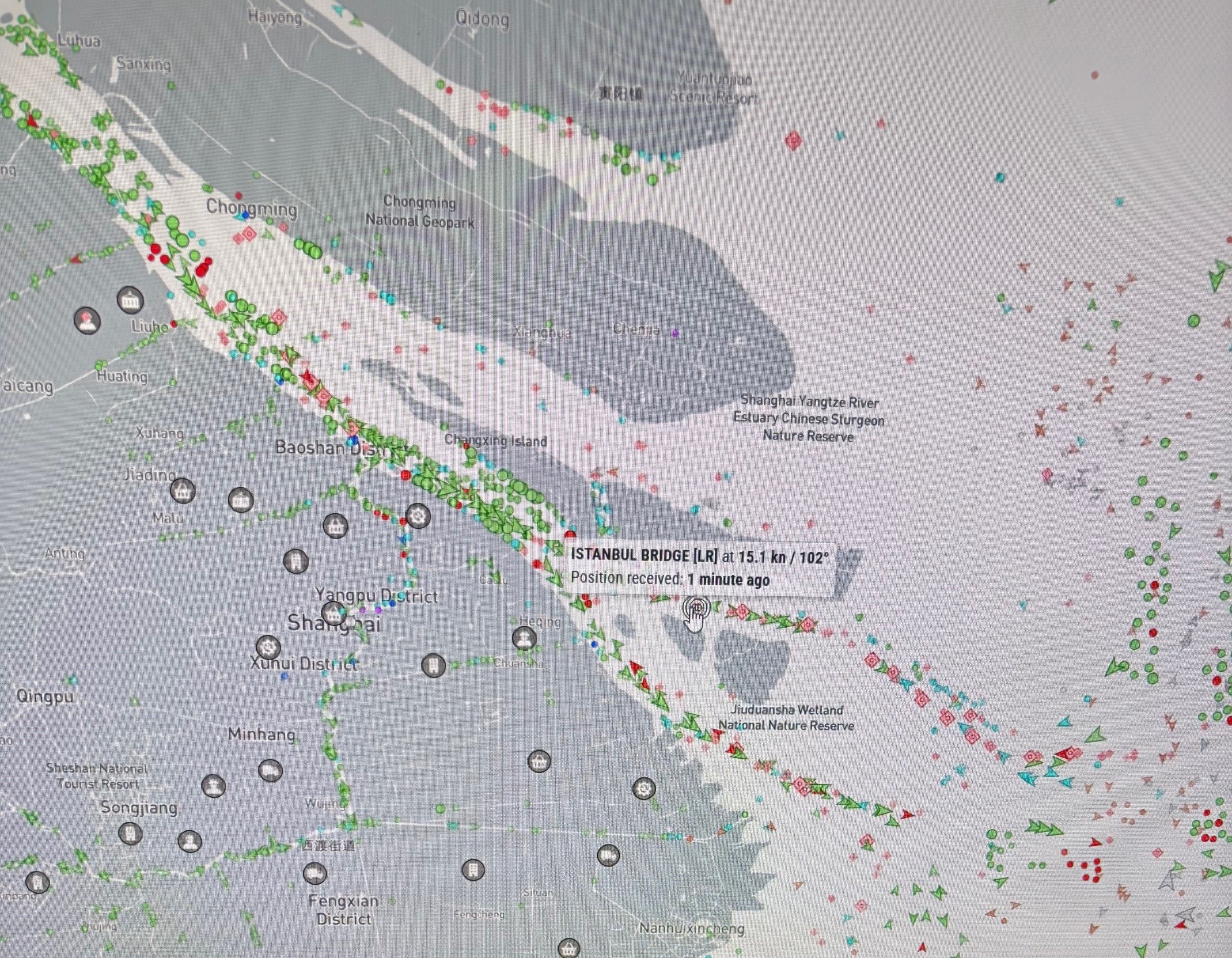 The “Istanbul Bridge” on September 19, 2025, near Shanghai on its way to Qingdao
The advantages are clear: shorter transport times reduce storage and operating costs, and supply chains become more efficient – this is particularly significant for export-oriented companies and global goods flows.
Challenges: Environment and Ice
However, there are also significant challenges. These include the need for special navigation in icy regions, increased technical requirements, potential environmental risks in sensitive areas in case of accidents, and political tensions over the use and control of these sea routes. Countries through whose waters or coasts the route passes are increasingly pushing for a say and economic benefits.
Photos: © MarineTraffic / Haijie Shipping Company