



The lowest level of piracy since 1991
Apr 9, 2026 at 6:36 AM
Ocean Alliance launches container service to Asia
Apr 9, 2026 at 7:02 AM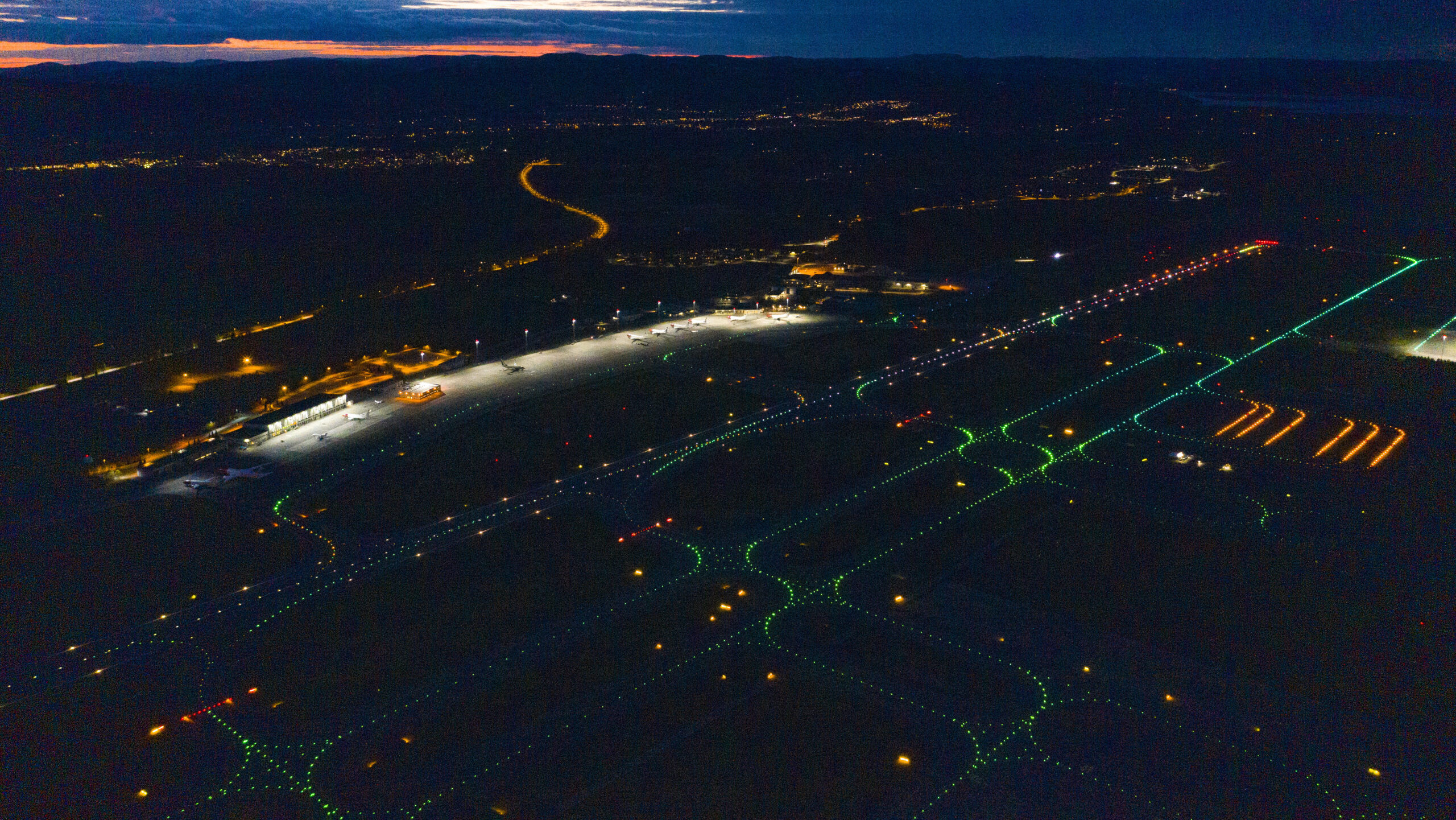
Oslo Airport is planning a comprehensive modernization to meet the increasing demands in the freight and passenger traffic sectors. Norway’s airport operator Avinor has initiated a long-term development concept that specifically addresses the existing capacity bottlenecks. These primarily affect the parking positions for aircraft as well as the growing freight segment.
New freight area in planning
A central element of the project is the relocation of the existing freight area to the west side of the airport. New freight and logistics terminals are to be built there to increase capacity and improve the stability of supply chains. Norway relies heavily on efficient air freight, especially for the export of seafood, one of the country’s most important export goods. Oslo Airport plays a central role as an international hub.
The relocation of the freight infrastructure will free up areas in the current freight section that can be used for the expansion of passenger traffic and the creation of new flight connections. This could help enhance the airport’s attractiveness for international travelers.
Bottlenecks as a driver for change
Currently, the airport is facing bottlenecks in aircraft parking spaces, particularly during nighttime and peak hours. The planned expansion of the freight infrastructure aims to make existing facilities more efficient and create additional capacity without needing to develop new areas in less suitable locations.
In addition to developing the freight infrastructure, Avinor plans to utilize the existing runways more efficiently. Through operational and technical measures, such as faster taxiways, the number of flight movements could be increased. This could delay the need for the construction of a third runway while still allowing for further growth.
Long-term perspectives until 2040
The overall project is designed for long-term implementation by 2040. The expansion of the freight area represents the first phase and is dependent on further investment decisions and approvals. With this approach, Avinor aims to strengthen the competitiveness of Oslo Airport and meet the demands of international air traffic.