



New cargo flights between China and Poland
Apr 2, 2026 at 9:00 AM
BCUBE acquires competitor Alha Group
Apr 2, 2026 at 10:20 AM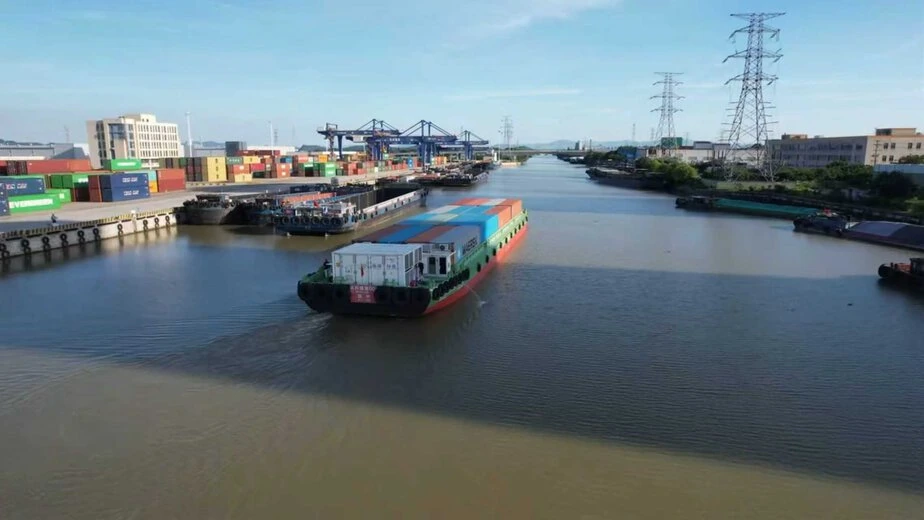
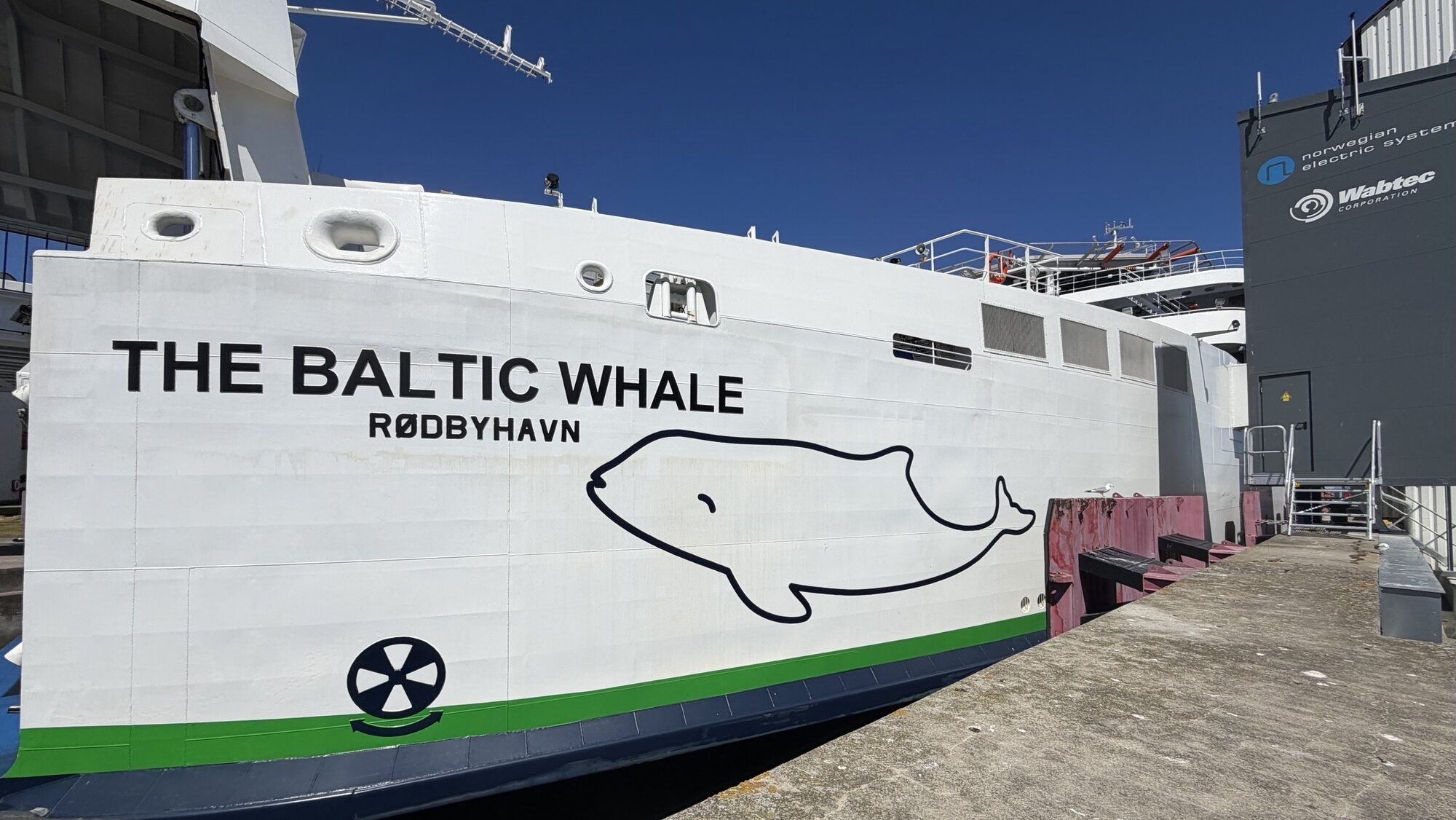
Wah Kwong NatPower and Wuxing Ruituo have signed a Memorandum of Understanding to develop emission-free shipping routes on inland waterways. This collaboration aims to advance the decarbonization of the maritime industry by creating a comprehensive infrastructure for electric ships. The initiative begins in the Hangzhou–Jiaxing–Huzhou region of the northern Chinese province of Zhejiang and is set to expand to key inland waterways.
Development of an Integrated Network
The two companies plan to establish a network of charging and battery swapping stations for electric ships. This network will integrate energy supply, digital services, and operational systems within a unified framework. Huzhou, recognized as a pilot zone for the green transformation of inland water transport, has already implemented extensive plans for the electrification of ships and is investing in the necessary charging infrastructure and grid capacity. The city aims to build a complete low-carbon ecosystem that connects the manufacturing of smart ships, the provision of renewable energy, and the operation of emission-free routes.
As part of the agreement, Wah Kwong NatPower and Wuxing Ruituo will install charging and battery swapping infrastructure along key container and bulk freight routes. This infrastructure will serve central ports, anchorages, and operational centers. In addition to the physical expansion, a digital platform will be introduced, which includes systems for monitoring and certifying carbon emissions to accurately track emission reductions.
Platform for Standardization and Innovation
Wah Kwong NatPower, a Hong Kong-based joint venture between the traditional shipping company Wah Kwong Maritime and the global clean energy developer NatPower Marine, brings maritime experience and international expertise in energy supply. Wuxing Ruituo, part of the Huzhou Wuxing Cultural Tourism Investment Development Group, has extensive local experience in infrastructure development and coordination with public authorities. This partnership aims to overcome the challenges of maritime electrification and align ship operations with supporting energy systems.
The partnership is viewed not only as an infrastructure project but also as a platform for standardization and innovation. By harmonizing technical specifications and establishing a unified management system, the two companies aim to create the foundation for a commercially viable ecosystem in which the operation of electric ships can be efficiently scaled. This could help realize emission-free shipping routes. This initiative could serve as a model for the development of emission-free shipping routes in other regions, thereby contributing to the global decarbonization of the maritime industry.