




European Parliament Releases Study on Combined Transport
Nov 27, 2025 at 7:18 PM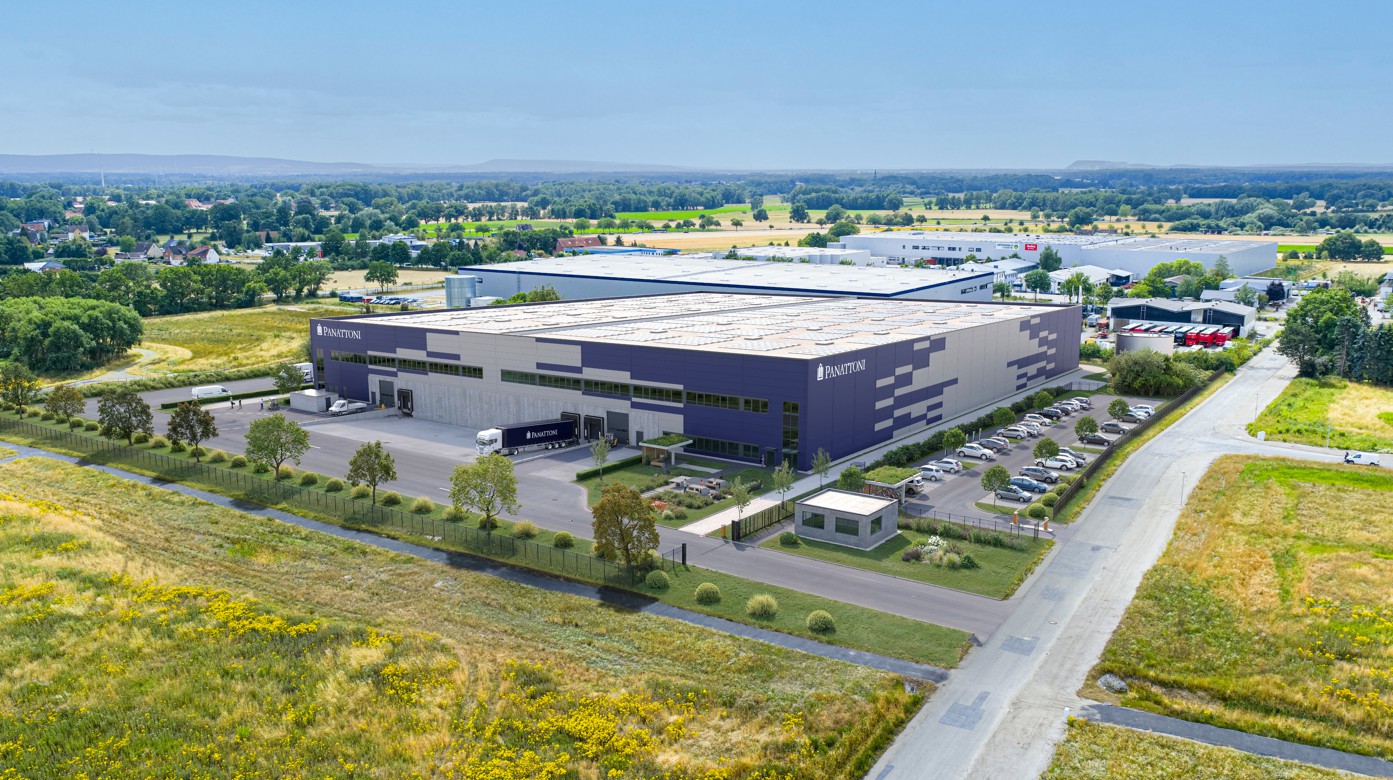
Panattoni Constructs Fully Leased Logistics Property in Garbsen
Nov 30, 2025 at 5:39 PM
How can autonomous cargo drones be sensibly deployed in Germany and Europe, and what obstacles still stand in the way? At the recent event of the aircargo club deutschland (acd), Dr. Rolf Bauer, co-founder of iViation and trained pilot, informed about the current status and opportunities for the industry.
(Frankfurt) iViation develops autonomous cargo aircraft and relies on AI-supported engineering processes that are expected to significantly accelerate certifications in the future. Estimates suggest that the market potential in Europe is up to 15 billion euros.
In light of the personnel shortage, the technology is also promising for the industry. According to current forecasts, around 34,000 pilots will be missing worldwide by 2025, which increases the demand for alternative, automated air freight solutions. Internationally, the technology is already being tested: In China and the USA, autonomous cargo drones are being tested and deployed under clearly defined conditions – usually in restricted airspaces, over less densely populated areas, or on fixed routes, drones can transport up to 700 kilograms over distances of up to 520 kilometers.
Dr. Bauer emphasized that technical development has also advanced significantly in Europe, but the biggest challenge remains certification. While other markets are gaining practical experience in controlled test environments, complex procedures and fragmented responsibilities hinder rapid implementation.
The drone planned by iViation is expected to transport payloads of around 500 kilograms over distances of up to 2,000 kilometers in the future – an offer that would be interesting for express and special logistics. However, before reaching market readiness, a certification marathon must first be completed. “Building is not the problem; certification is. Europe has many national responsibilities and a highly fragmented airspace. This slows down processes and hinders innovation,” explained Bauer.
Importance for air freight
acd President Prof. Dr. Christopher Stoller emphasized the importance of the topic for the air freight industry in Germany and Europe. He stressed that new technologies can only realize their full potential if the framework conditions do not hinder their introduction. “We explicitly welcome forward-looking technologies. There are also political signals to support innovations in the aviation sector more strongly. We very much hope that German technology will also be part of the European skies in the future.”
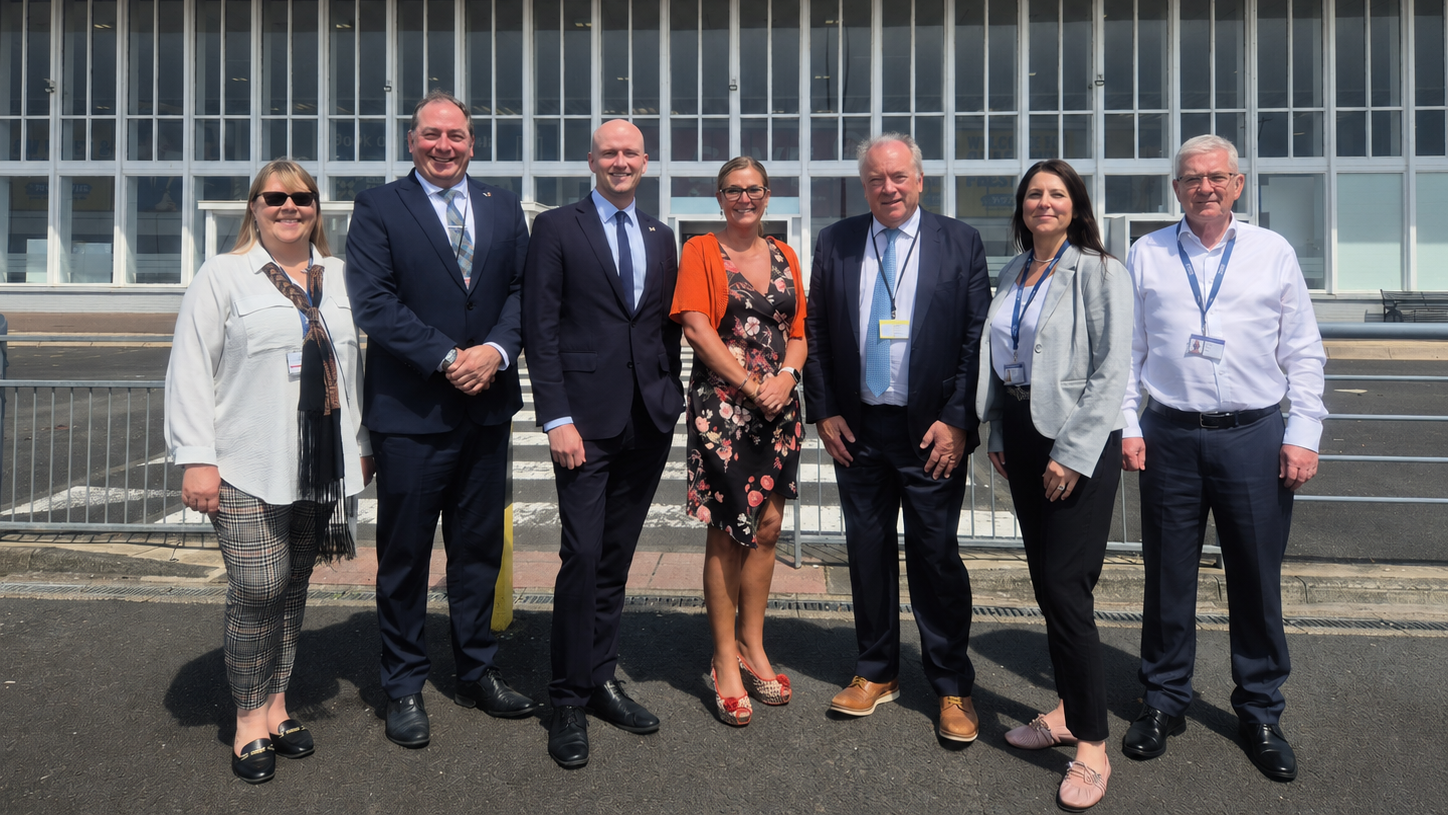
Photo: © Aero Club Deutschland