


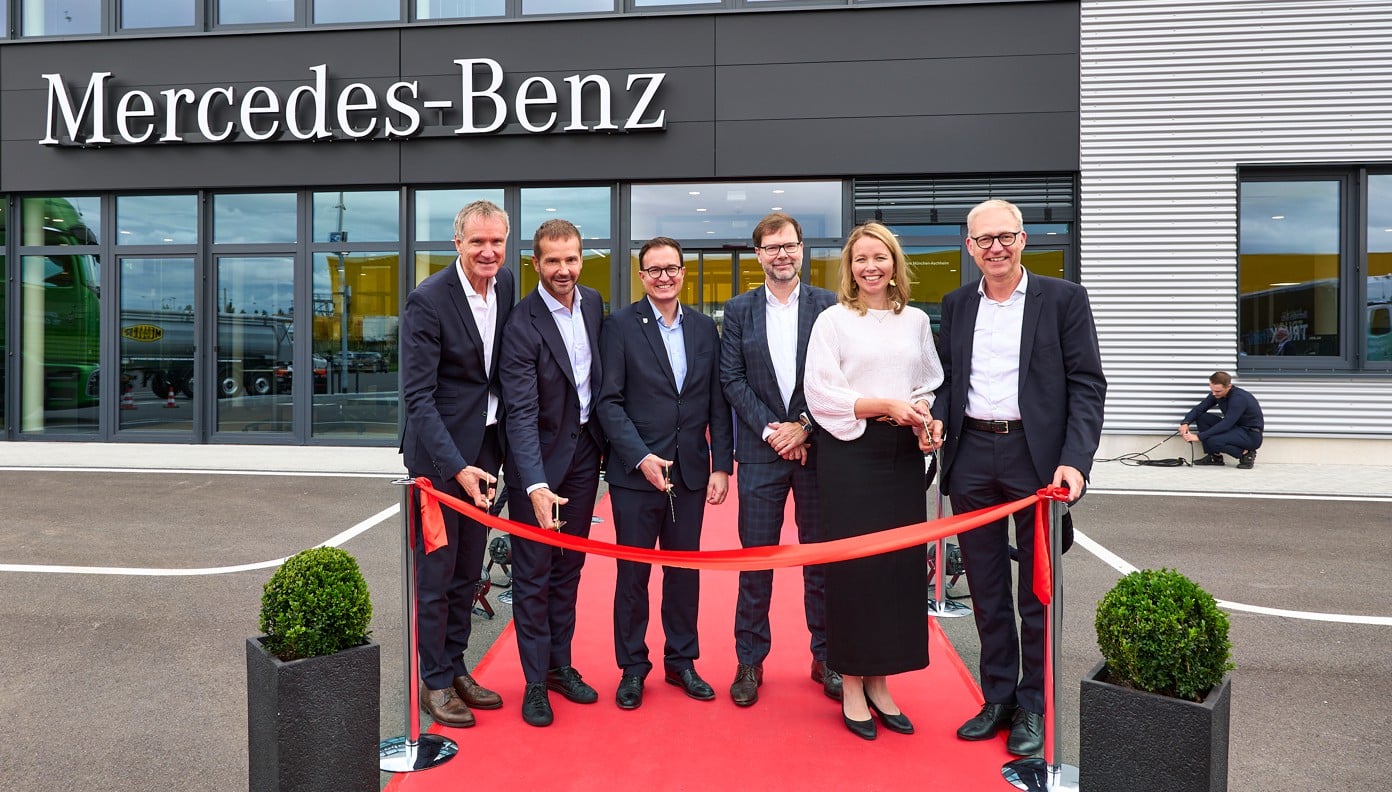
Mercedes-Benz Opens New Commercial Vehicle Center in Aschheim
Sep 14, 2025 at 5:28 PM
Kardex AS Solutions Secures Order for 100th AutoStore System
Sep 14, 2025 at 5:45 PM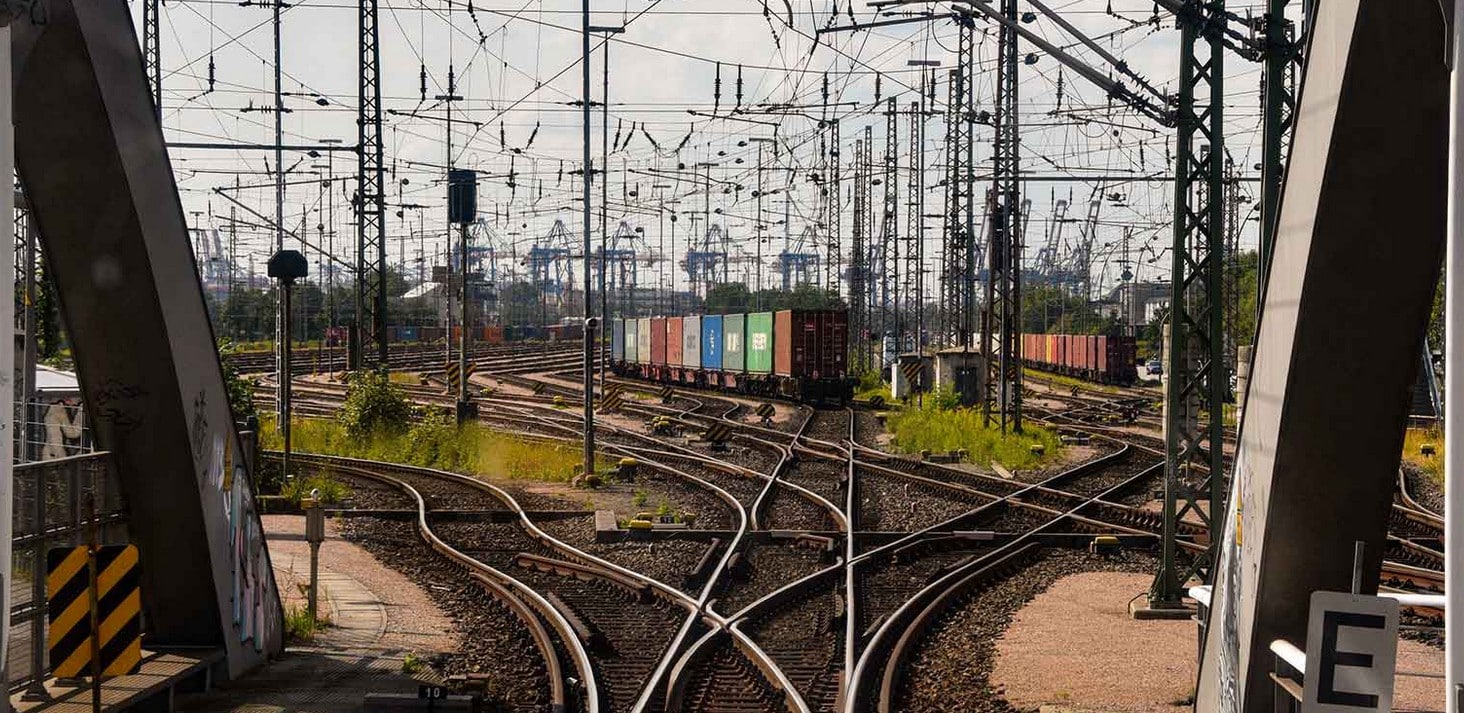
The rail network is essential for South Westphalia to reliably, competitively, and environmentally friendly support the export-oriented industry of the region. At the fifth “Dialog.Schiene.Südwestfalen” on September 11 at the Krombacher Brewery in Kreuztal, around 150 representatives from business, politics, and logistics discussed how the region can secure and expand its role as North Rhine-Westphalia’s strongest industrial location through a powerful rail logistics system in challenging times.
(Kreuztal) The joint event was organized by KSW Kreisbahn Siegen-Wittgenstein GmbH, Hafen Hamburg Marketing e.V., DB Cargo AG, the Federal Association of Logistics e.V. Regional Group South Westphalia, and the IHK Siegen at the Krombacher Brewery.
Oliver Krischer, Minister for Environment, Nature Conservation, and Transport of North Rhine-Westphalia, emphasized the special relevance of the rail network and the connection of the region by rail to the seaports for North Rhine-Westphalia in his greeting: “South Westphalia needs a strong rail freight transport system. The close and good cooperation of all parties is crucial if we want to shift traffic from the road to the rail. Additionally, we need a reform of the track pricing system so that rail freight transport can fully unleash its potential as a growing market.”
Strong Industry Needs Strong Rail
“South Westphalia, with its strong steel and metal processing industry, is one of the most significant industrial regions in Germany. For companies to export their products worldwide, a reliable connection to the seaports is essential. This is where the close partnership between the Kreisbahn Siegen-Wittgenstein and DB Cargo comes into play: Together, we ensure that goods are transported reliably and environmentally friendly by rail, connecting the region directly to global markets,” emphasized Katja Sander, Head of Business Unit Steel at DB Cargo AG.
From Hamburg to the Hinterland and the World: Europe’s Largest Rail Port
The Port of Hamburg plays a key role in intermodal logistics solutions. “The universal port of Hamburg is now the largest rail port in Europe. Through investments in infrastructure and joint optimization of rail-specific processes, we aim to increase the modal split from currently over 50% in the coming years for our customers in the region, in Germany, and Europe,” explained Harald Kreft, Head of Railway Infrastructure and Railcar Services at the Hamburg Port Railway.
Twelve percent of German rail freight traffic has Hamburg as its origin or destination, as well as 32 percent of all containers transported by rail in Germany. Annually, around 425,000 TEU are transported between Hamburg and North Rhine-Westphalia, of which 90,000 are transported by rail. While the Port of Hamburg has already achieved a rail share of over 50 percent in the modal split overall, the corridor between North Rhine-Westphalia and Hamburg still offers potential. In the future, the modal split in this important corridor should also be further improved in favor of rail.
Hub in the Hinterland: Regional Integration and Multimodal Supply Chains
The South Westphalia Container Terminal in Kreuztal, with a handling capacity of 45,000 loading units per year, provides access to rail freight transport for companies without their own rail connection in the South Westphalian hinterland. For companies like Knauf Interfer, this is a crucial location advantage: “At Knauf Interfer, we are always looking for optimal solutions for our customers. Therefore, we have long been searching for ways to utilize the terminal in Kreuztal for our activities. We are very pleased that we have now been able to establish a long-term, multimodal solution together with our partners,” said Fabian Bittkow, Head of Logistics at Knauf Interfer Steel Service Center GmbH.
The event once again made it clear: South Westphalia’s industry is preparing for the future – with climate-friendly logistics solutions, strong collaborations, and the consistent expansion of the rail network. For a region where almost every second employee works in the manufacturing sector, it is more important than ever: Now is the time to set the course for the future.
Photo: © HHM / Jochen Wischhusen