




Volvo Trucks Participates in Electric Car Rally E-Cannonball
Aug 21, 2025 at 6:32 PM
Garbe Industrial rents in Ostholstein to shoe start-up Dieseo
Aug 21, 2025 at 7:17 PM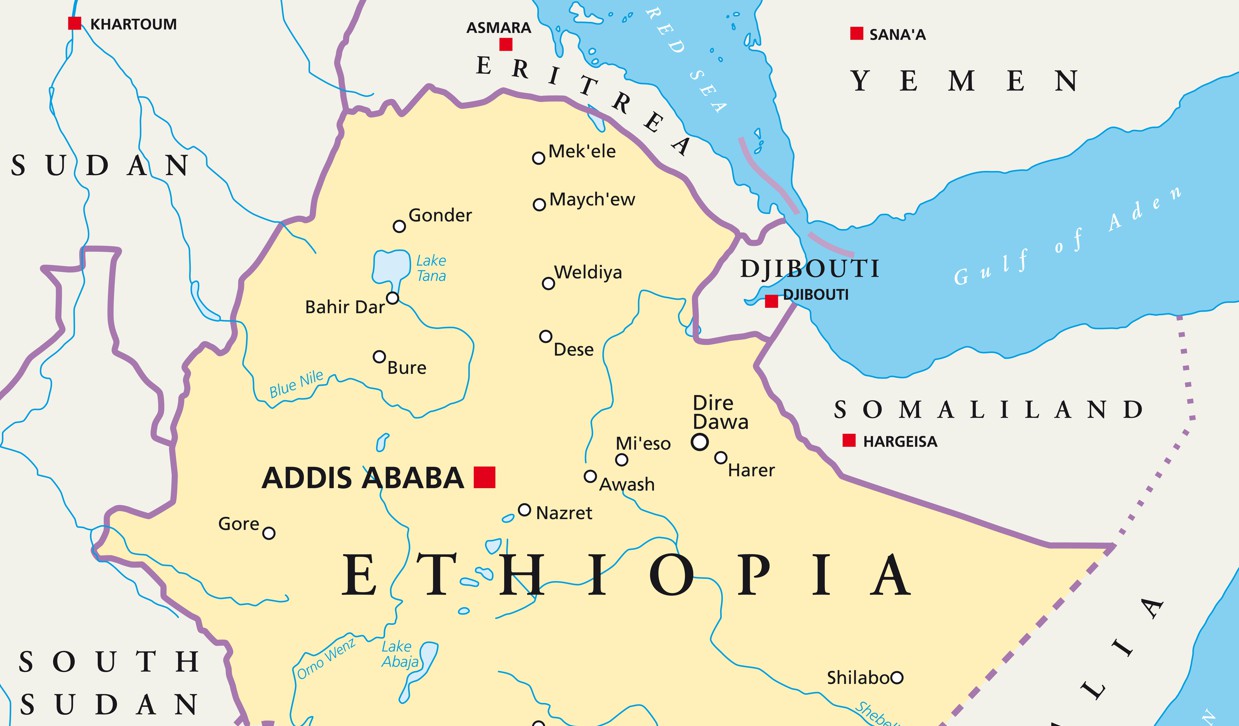
The recently published ifo study commissioned by the Federal Ministry for Economic Affairs and Energy makes it clear: Germany’s prosperity and supply security depend directly on free sea routes and thus on a capable merchant fleet. The German Shipowners’ Association (VDR) welcomes the ministry’s focus on this central issue and demands that maritime shipping be integrated even more strongly into the security architecture.
(Hamburg) “We welcome that maritime security is anchored in the National Security Strategy of the Federal Government,” explains VDR Managing Director Martin Kröger. “But we cannot rely on paper alone. There is a lack of a permanent body in which the federal government and maritime shipping can regularly collaborate. Only in this way can we ensure supply and security in case of an emergency.”
Germany is resource-poor and at the same time highly export-oriented: about two-thirds of all exports and imports are conducted via sea. With nearly 290 shipping companies and around 1,800 ships, Germany is the sixth-largest shipping nation in the world and ranks third in the container shipping sector. The merchant fleet is thus the backbone of the economy and a guarantee for the supply of the population.
“Our shipping companies not only secure daily goods traffic but also take on a strategic role in times of crisis: they transport military equipment, raw materials, and essential goods. Germany urgently depends on these capabilities,” says Kröger. The Federal Government’s goal of maintaining and further expanding a strong fleet in Germany is therefore correct and deserves our full support.
The ifo Institute’s study emphasizes the high dependence on individual sea routes; for important raw materials, this dependence is sometimes over 90 percent. Blockades or attacks can therefore have immediate consequences for the economy and society. Attacks in the Red Sea, tensions in the Taiwan Strait, or concrete threats of closing the Strait of Hormuz demonstrate how volatile the situation is.
Kröger: “We are closely monitoring security developments and are in close contact with the German Navy and international partners. Our shipping companies react flexibly and reroute their ships when necessary and possible. However, the more bottlenecks come under pressure simultaneously, the more difficult alternative routes become.”
The Navy Makes an Important Contribution
Germany is therefore rightly participating in international protection missions to keep sea routes open and protect merchant ships. The Navy plays an important role in this, but it also needs the necessary equipment. In conclusion, Kröger emphasizes: “Behind every ship are people. Our seafarers keep the supply running. They deserve protection, respect, and the assurance that they will not become targets of geopolitical conflicts.”
Photo: © Loginfo24