







St. Gallen Universities Offer the Supply Chain Masterclass
Jun 19, 2025 at 3:46 PM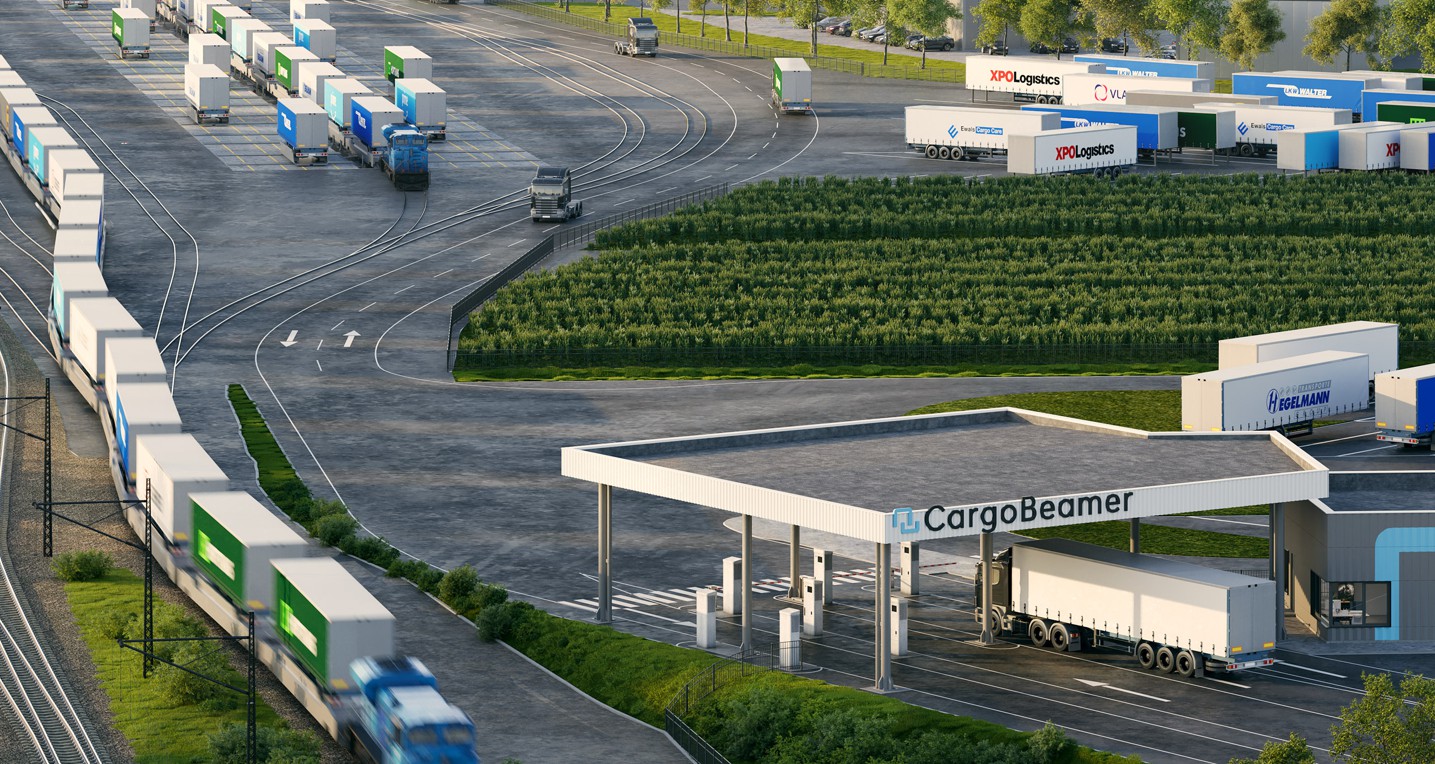
CargoBeamer with First Own Terminal in Germany
Jun 19, 2025 at 4:03 PM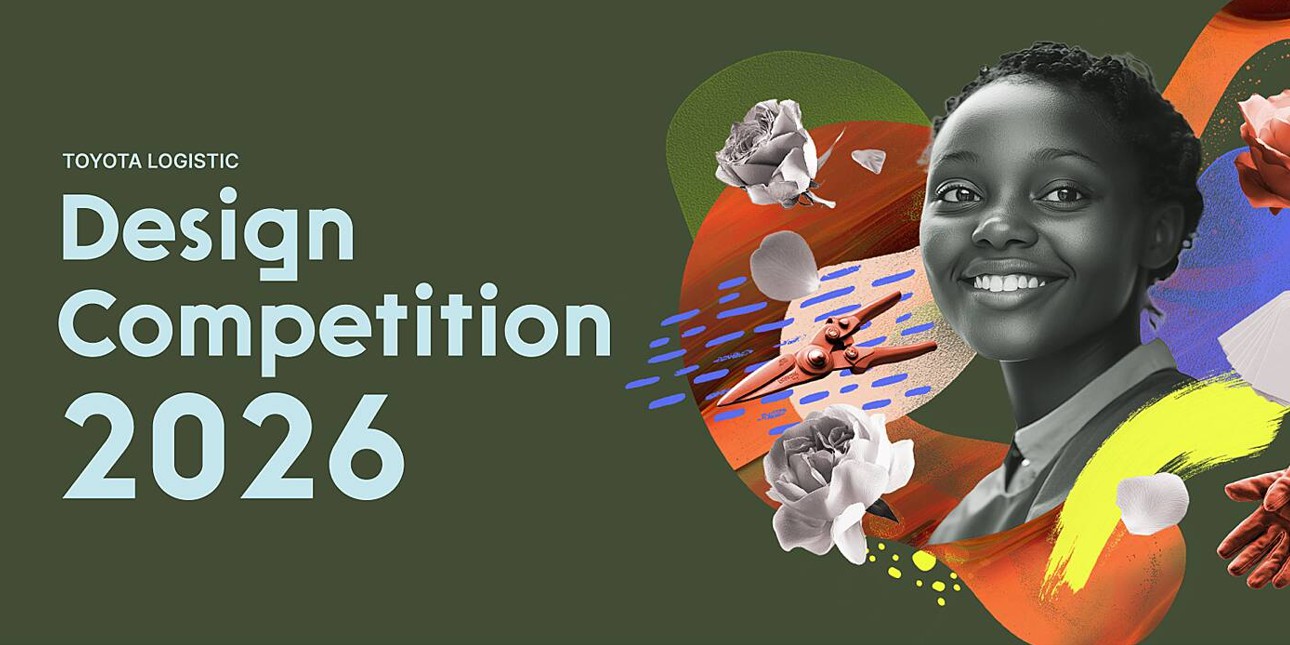
The seventh edition of the Toyota Logistic Design Competition is being conducted in collaboration with established partners Toyota Motor Europe, Toyota Europe Design Development (ED²), Toyota Material Handling Design Center, and for the first time, Toyota Open Labs, an innovation platform that connects startups, scale-ups, and SMEs with Toyota business units.
(Isernhagen) In this seventh edition, design students and graduates are invited to contribute their perspectives and ideas on the unique challenges of Africa. Creative minds can submit innovative solutions for critical issues such as infrastructure and accessibility, focusing on effectiveness and sustainability.
Toyota Material Handling Europe – developer of award-winning forklift and warehouse technology designs – firmly believes in collaborative design. Young talents bring creative ideas that lead to innovative solutions. Since its inception in 2014, the Toyota Logistic Design Competition (TLDC) has steadily grown and now has a global reach that attracts talent from around the world.
Laurent Bouzige, Chief Designer Strategy & Mobility at Toyota Europe Design Development, is excited about the new partner: “Welcoming Toyota Open Labs as a partner in the competition opens up fantastic opportunities. It enables the building of new bridges between creativity, technical innovation, and real impact – directly in line with this year’s challenge and focus on Africa.”
Innovative Design to Tackle Logistical Challenges
The central question for designers is: How can we rethink delivery solutions to address challenges in infrastructure, accessibility, availability, and affordability in Africa?
A lack of structured road and address systems makes it difficult to reach or locate African customers. A fragmented logistics landscape leads to increased operating costs for the first and last mile of the supply chain. In some regions, safety is also a major concern.
“In a world where we primarily rely on physical labor and small vehicles to tackle the various infrastructural challenges in Africa, the need for innovative solutions is great,” explains Magnus Oliveira Andersson, Head of Design at Toyota Material Handling Europe. “Addressing these challenges with impactful, circular design not only improves connectivity and access but also drives economic growth, strengthens trade opportunities, and changes individual lives in meaningful ways.”
Evaluation Criteria
The competition accepts submissions in 4 categories: product design, digital platforms, business infrastructure, and an open category for creative ideas that cannot be assigned to any of the other categories but demonstrate significant innovations or impacts.
The ideas presented should offer efficient solutions that optimize transport routes in the first and last mile of delivery, facilitate logistics processes, or improve connectivity in delivery processes. Designers are called upon to develop ways to provide underserved communities with access to essential goods such as medicines, food, or education. In a broader context, stronger and improved local systems promote international trade and contribute to a higher quality of life for society.
More than a Competition
The Toyota Logistic Design Competition is much more than just a competition. It provides young designers with a platform to showcase their creativity worldwide and invites them to submit innovative ideas that create real change and transcend traditional boundaries.
Photo: © Toyota


1 Comment
It’s interesting to see how thoughtful product design and packaging design can transform a simple logistics point into an inviting space that enhances employee experience. From my own experience working with https://jumpinggoose.com/, integrating a cohesive design system—including label design and brand logobrand design—makes a big difference in creating a seamless, professional feel. When the environment reflects the brand’s values through clear and elegant product packaging design, it not only supports sustainability goals but also encourages engagement. This thoughtful approach to poster design and overall aesthetic really elevates the everyday convenience of package pick-up.