



SPEDLOGSWISS and swiss export cooperate
Mar 14, 2025 at 6:50 PM
The Logistics Experts Publish Annual Report 2025
Mar 14, 2025 at 7:41 PM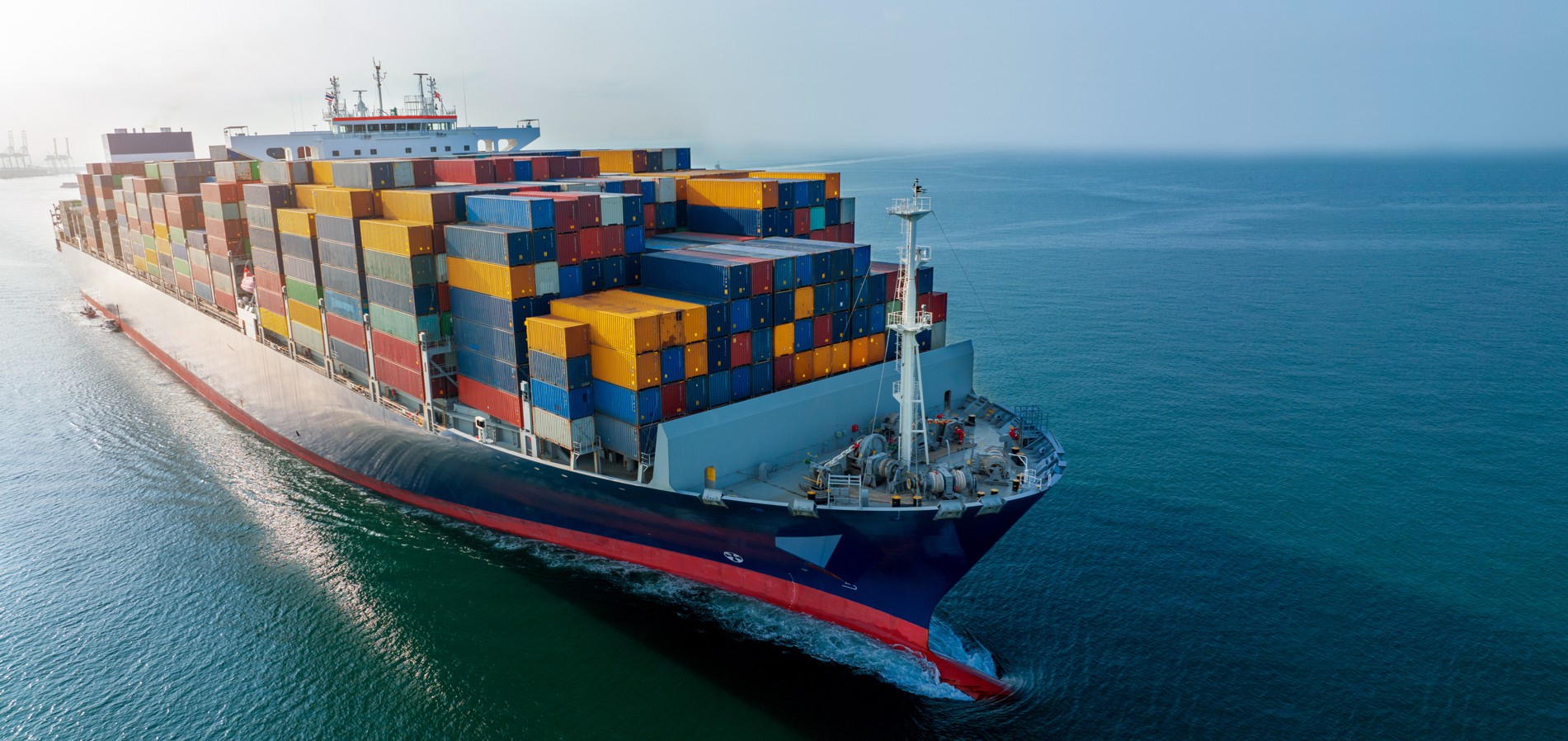
The current economic figures presented today by the German Shipowners’ Association (VDR) at its annual press conference underscore the situation of German shipping: Despite geopolitical turbulence and uncertain times in international trade policy, German shipping remains a reliable guarantor of the economic strength and supply security of the Federal Republic. Approximately 62 percent of German exports and 60 percent of imports are handled by sea – a testament to how essential a functioning maritime trade and a competitive merchant fleet are for the survival of our export nation.
(Hamburg) The numbers are impressive: With nearly 290 shipping companies based in Germany and a fleet of 1,764 ships, as well as a gross tonnage (GT) of 47.4 million, Germany again ranks seventh among the world’s leading maritime nations this year. Germany’s merchant fleet secures around 500,000 jobs in the maritime economy and serves as a vital transport mode in times of crisis to ensure the supply of essential goods, raw materials, and energy to the Federal Republic.
VDR President Gaby Bornheim emphasizes: “Without a strong, independent merchant shipping sector, there is neither economic stability nor national security – especially in times when geopolitical and trade policy risks are constantly increasing.”
Between Geopolitical Crises and Protectionist Shifts
Increasing tensions on important international maritime trade routes – from the South China Sea through the Taiwan Strait to the waters around the Black and Red Seas – not only disrupt global maritime trade but also pose significant risks of attacks on German merchant ships and blockades of crucial shipping routes for German imports and exports.
The VDR warns: National interests must not come at the expense of free global trade. The rising protectionist tendencies in trade policy worldwide also challenge German shipping. Higher tariffs and restrictive measures aimed at isolating national markets lead to fragmented supply chains and rising transport costs. For shipping companies, this means not only potentially longer trade routes and higher operating costs but especially significant planning uncertainty in global goods traffic.
These challenges are further exacerbated by recent protectionist announcements from the USA. The introduction of 25 percent tariffs on European goods announced by President Trump, as well as a planned imposition of multimillion-dollar fees on ships built in China when entering US ports, create significant uncertainty in the German and global merchant fleets. At the same time, it can no longer be ruled out that the US government is increasingly withdrawing from security commitments. This also increases the necessity for Germany to secure its own supply in the long term and to strengthen its merchant fleet as a strategic response to the changing global trade and security architecture.
“As a leading export nation and a resource-poor country, we rely on secure and free trade and shipping routes. A consistent national maritime security strategy, increased naval presence, and intensified cooperation between security authorities and the merchant fleet are essential. Security costs – hesitation costs more,” warns VDR Managing Director Martin Kröger.
Switzerland is Number 1 in Container Shipping
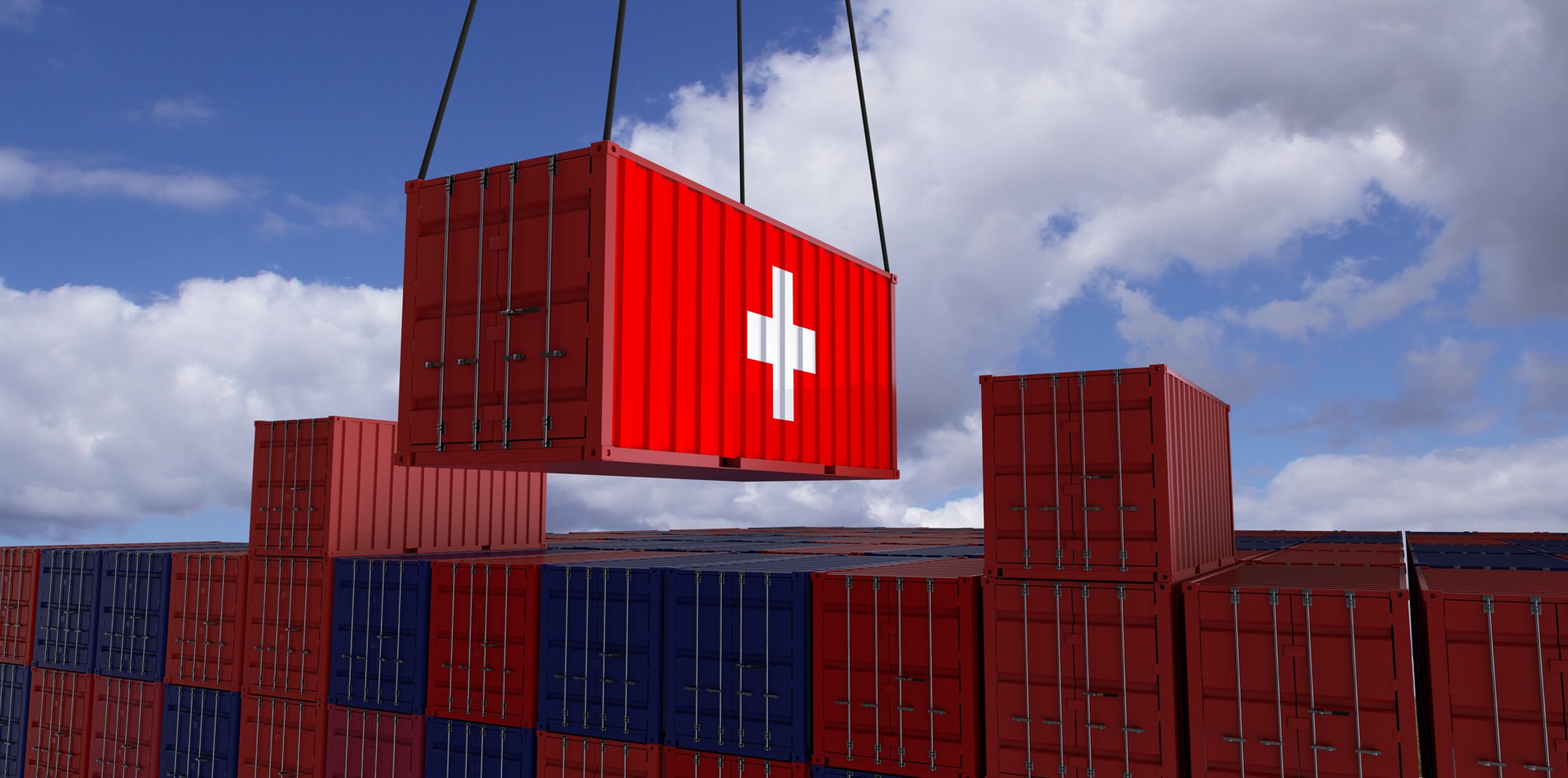
Although Germany remains a significant shipping location, international comparisons reveal challenges: In container shipping, Germany (30.2 million GT) now ranks third behind Switzerland (34.7 million GT) and China (31 million GT) – a clear signal of the intense competition at the global level. The VDR therefore calls for a targeted and long-term strengthening of the competitiveness of German shipping companies and the German shipping location to avoid losing ground internationally.
“The international competition among merchant fleets and shipping locations is high and dynamic – the pressure of competition is increasingly palpable. We must secure the competitiveness of our German merchant fleet in the long term and consistently strengthen our maritime SMEs,” demands Kröger.
The majority of German shipping companies are medium-sized. 80 percent of the companies operate fewer than ten ships. Every second ship in the German merchant fleet sails under the flag of an EU country, particularly under the German and Portuguese flags.
Positive Impulse for the Next Generation
Particularly encouraging: The number of newcomers in shipping has risen by a remarkable 14 percent in the training year 2024. With 499 new entrants at sea (previous year 418) and 214 on land (previous year 208), it is evident that more and more young people are recognizing the diverse opportunities and future prospects of shipping – an important building block for securing maritime know-how and thus strengthening the German shipping location, but also for the transformation of the industry towards climate neutrality.
“Shipping needs visionary and motivated young talents who not only want to actively shape the future of the industry but also dare to take the decisive step into a climate-neutral era with us. It is extremely encouraging to see how more and more young talents recognize the enormous opportunities in shipping and enthusiastically embrace this challenge,” explains Bornheim.
Bureaucracy Hinders Growth
In addition to geopolitical and trade policy uncertainties, German shipping companies are confronted with an increasingly dense jungle of regulations in Europe. Double reporting obligations and regional special regulations in climate protection unnecessarily burden shipping operations and reduce competitiveness. “It is high time for Europe and Germany to relinquish their dubious leadership role in excessive bureaucracy and regional special regulations. Streamlined processes and internationally uniform climate protection requirements are essential to secure Germany’s economic strength at sea,” explains Kröger.
Photo: © Loginfo24