


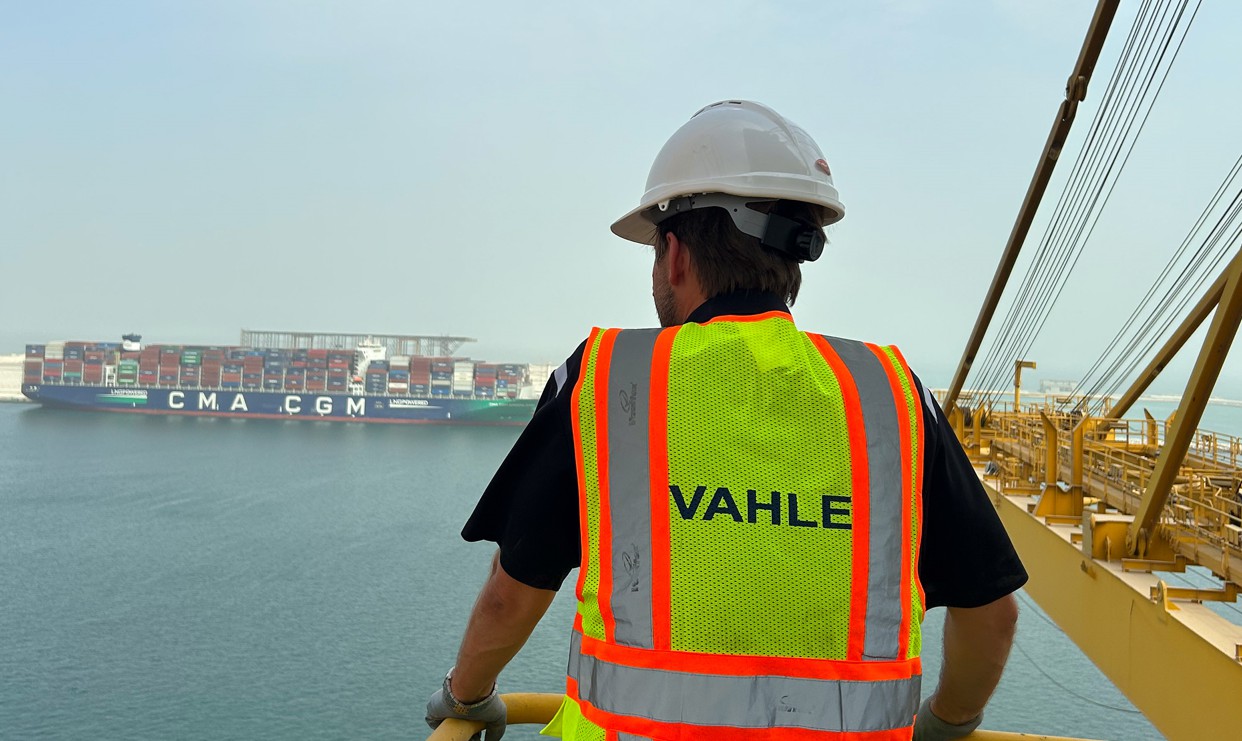
VAHLE Receives Major Contract for Port Electrification in Abu Dhabi
Jun 5, 2024 at 7:25 PM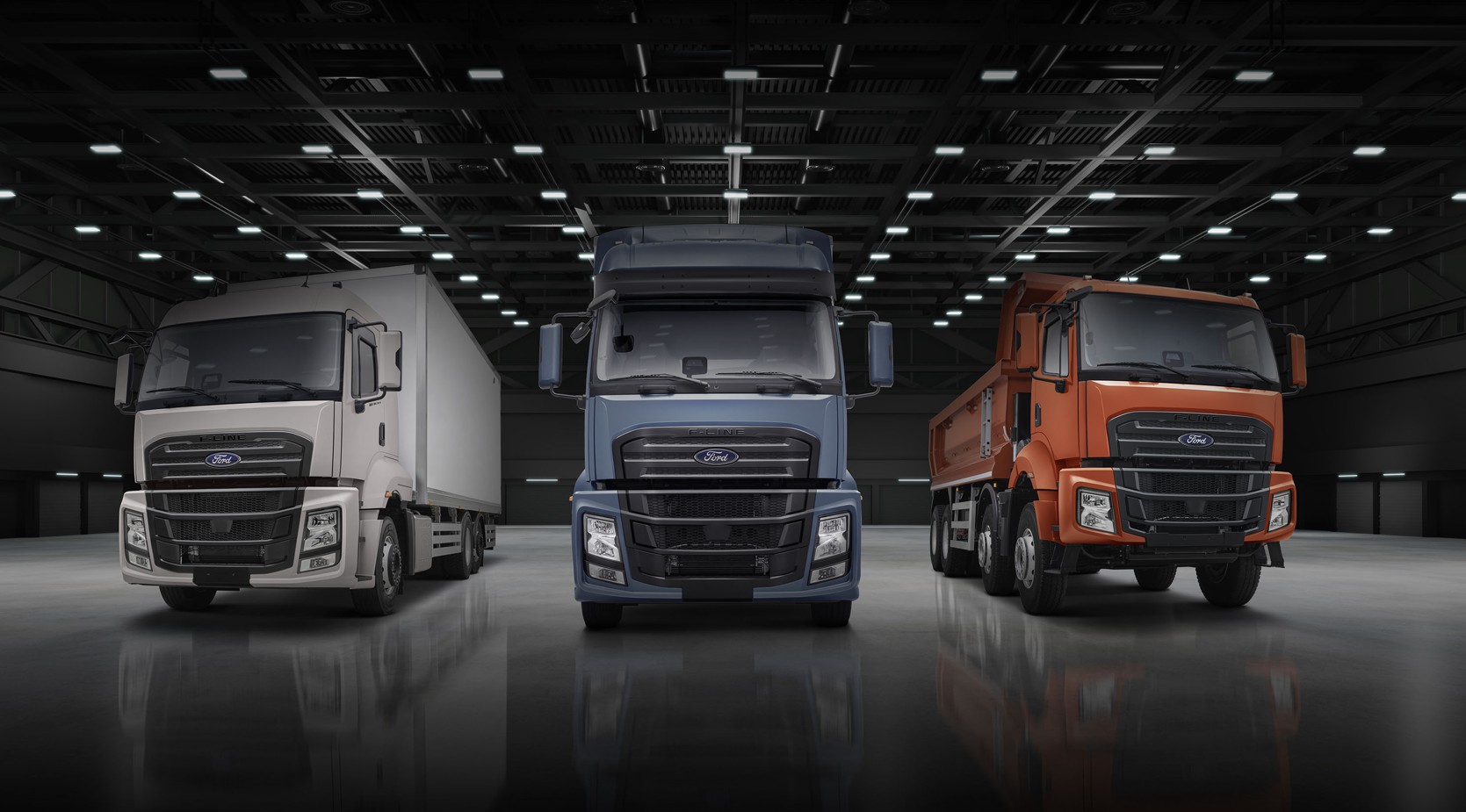
Ford Trucks Germany Expands Portfolio with F-LINE Series
Jun 5, 2024 at 8:10 PM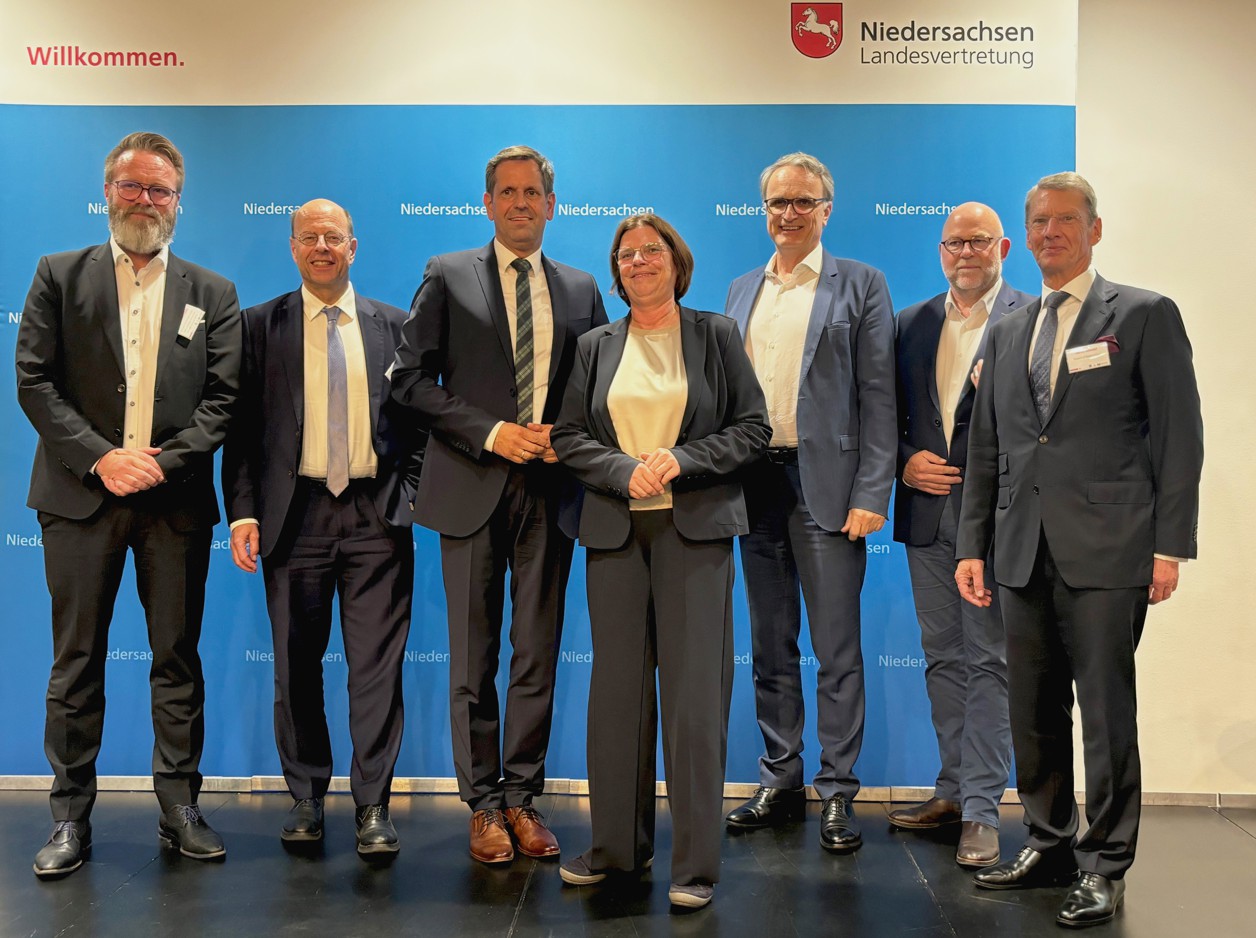
A prominent panel featuring senators, ministers, and state secretaries from the ministries responsible for seaports in the federal states sought support from the federal government for the necessary port expansion at yesterday’s 3rd German Ports Reception. The core message conveyed by this reception of German seaports at the representation of the state of Lower Saxony in Berlin, attended by around 170 invited guests, was clear: Without joint funding, there will be no port expansion.
(Berlin) Following the opening by the Parliamentary State Secretary in the Federal Ministry for Digital and Transport, Daniela Kluckert, the Vice President of the Central Association of German Seaport Operators, Prof. Dr. Sebastian Jürgens, emphasized the necessity of expanding the suprastructure, referring to the National Port Strategy.
“Our ports and the coast as a whole will also be guarantors for an independent, diversified, and equally clean and permanently affordable energy supply for all of Germany. The strategic expansion of our ports will increasingly become a matter of security and independence, and thus a national task,” stated Olaf Lies, the Lower Saxony Minister of Economic Affairs and co-host of the event. “We take responsibility for the entire country here and repeatedly prove that we are capable of planning, approving, and delivering the necessary infrastructure quickly. However, we cannot bear this financially as states alone in the long term. Therefore, we need solutions together with the federal government. We have shown that we are capable of finding them together in Wilhelmshaven, Stade, and most recently in Cuxhaven.”
Furthermore, Axel Mattern, CEO of Port Hamburg Marketing, pointed out that German ports are significantly involved in the strength of the German economy: “A resilient Germany is unimaginable without the ports. In the future, a large part of renewable energies will not only be handled and produced here. Even today, the ports are indispensable for the export and import of many goods and raw materials that the German economy urgently needs to continue to prosper. It is therefore extremely important that the expansion and maintenance of infrastructure is also supported by the federal government,” said Axel Mattern, CEO of Port Hamburg Marketing.
Energy Transition Only Possible with Functional Ports
During the panel discussion, the political leaders of the five coastal states agreed that the energy transition can only succeed with functional ports. Alternative, climate-friendly energy sources must be imported to a significant extent to supply the German industry. Therefore, port facilities must be upgraded and areas made available for the expansion of liquefied gas import capacities and offshore wind energy. Not least because all German federal states and the companies based there will sustainably benefit from a well-implemented energy transition, it was agreed at the end of the event that solid, joint financing must also be in the interest of the federal government.
Photo: © Seaports, Niedersachsen / Caption: Together wishing for more support from the federal government (l.to r.): Claus Ruhe Madsen (Minister of Economic Affairs Schleswig-Holstein), Prof. Sebastian Jürgens (Vice President ZDS), Jürgen Lies (Minister of Economic Affairs Lower Saxony), Kristina Vogt (Senator for Science Bremen), Andreas Rieckhof (State Secretary at the Ministry of Economic Affairs, Hamburg), Axel Mattern (CEO HHM), Andreas Bullwinkel (Managing Director Seaports of Niedersachsen)