


STILL recycles lithium-ion batteries of its forklifts
Feb 4, 2024 at 1:00 PM
Software Developer Xplanis Launches Subsidiary in Germany
Feb 6, 2024 at 4:09 PM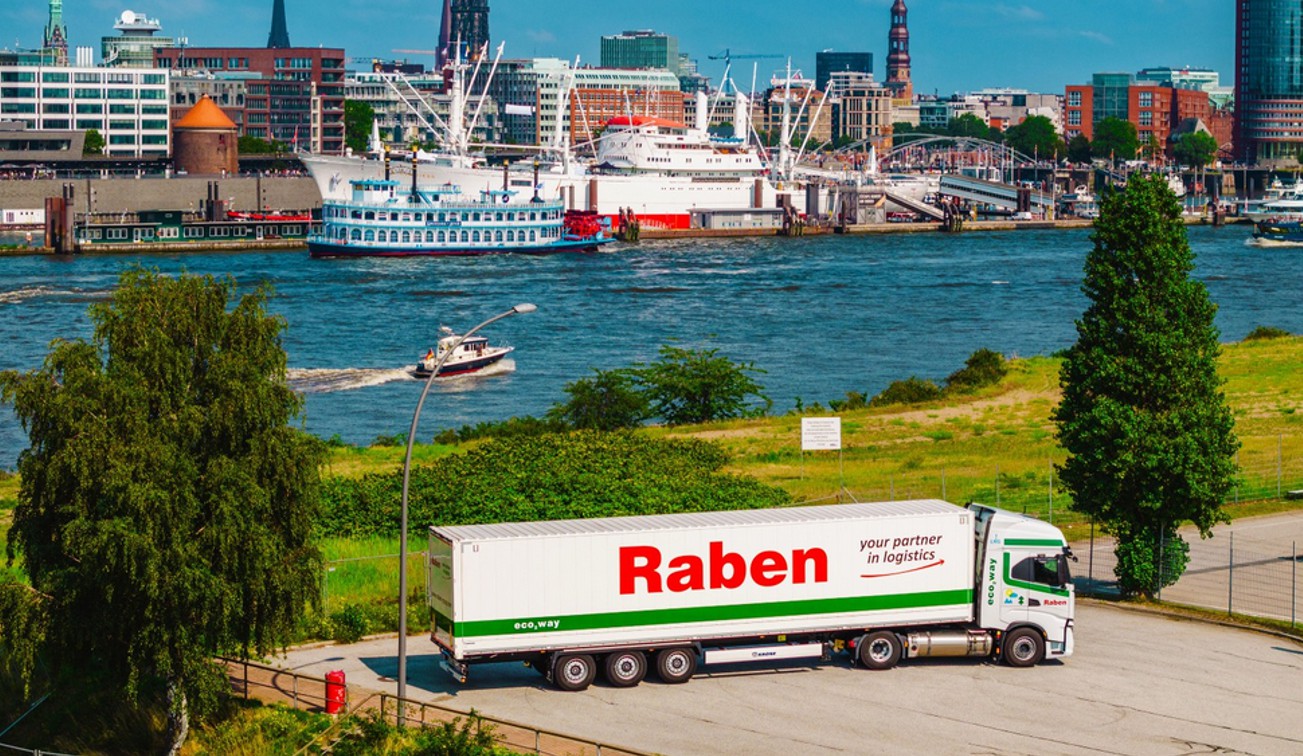
The Raben Group aims to advance the traffic transition and sees great potential in alternative fuels. Therefore, the European logistics service provider has launched a pilot project with the renewable diesel fuel HVO100 for research and testing purposes, which is expected to significantly reduce emissions. Since mid-October, commercial vehicles using HVO100 have been in operation in Northern Germany. They are transporting goods from Hamburg, throughout Northern Germany, and into Scandinavia. Compared to fossil diesel, Raben reduces transport emissions by up to 86 percent.
(Mannheim/Hamburg) HVO – Hydrotreated Vegetable Oil – is a synthetic and highly pure substitute fuel for conventional diesel, produced from hydrogenated residual fats/oils through a reaction. It meets all the properties of diesel fuel, except for density. It can be used completely unrestricted and without concerns in all common diesel vehicles that are approved for the European standard 15940.
With HVO100, emissions reduced by 703,339 kilograms of CO2 annually
Raben began using two HVO100 trucks in mid-October. By now, eight heavy commercial vehicles powered by the alternative fuel are already on the road. They have so far only been refueled on the company premises in Hamburg. Following the decision of the federal cabinet, which allows gas stations to offer HVO100 for research and testing purposes, Raben plans to refuel even more trucks from its own fleet with the paraffinic diesel made from biogenic residual and waste materials within this project this year. According to the HVO supplier Biofuel Express, Raben saves about 86 percent of CO2 annually with HVO100 compared to a diesel-powered engine, which translates to a reduction of 703,339 kilograms of CO2 for eight commercial vehicles. This calculation is based on the approximately 1,080,000 kilometers that Raben covers annually with the eight trucks, corresponding to a consumption of about 291,600 liters of diesel. One liter of diesel corresponds to 2.68 kilograms of CO2 emissions, resulting in a total CO2 output of around 781,488 kilograms.
The uncomplicated use of HVO100 is the decisive advantage for Raben
So far, the pilot test has shown that hydrogenated vegetable oil can equivalently replace fossil diesel. The logistics service provider does not have to make any compromises regarding range either. “For us, this project is another important step towards decarbonizing the fleet to achieve ambitious CO2 reduction targets,” says Philip Hansen, Head of Sales and Marketing. Raben considers the uncomplicated use of HVO100 to be a significant advantage. No modifications to the vehicles or engines are required to use the environmentally friendly fuel. However, the use is coordinated with the vehicle manufacturers. HVO can be used in its pure form or mixed with fossil diesel in any ratio. The existing infrastructure of gas stations can also be utilized for HVO100. “We know the impact our fleet operations have on the environment, which is why we do not want to wait but act now. For this reason, we use bio-based fuel from used cooking fats that do not compete with food production,” says Mr. Hansen.
Alternative fuels are an important component of the Eco2Way strategy
The pilot project is a crucial part of Raben’s corporate strategy “Eco2Way,” which aims to significantly reduce emissions from transport and those arising from the maintenance of buildings and charging infrastructure by 2030. In Poland, Raben tested electric trucks in collaboration with IKEA for factory transport. Just a few weeks ago, the new branch in Regensburg-Neutraubling began operations. Like the depot in Hesse’s Herborn, it is a zero-emission building. Every new location is also to be built according to this standard.
Photo: © Raben Group