


Fiege Group Celebrates 150th Anniversary with Festive Ceremony
Sep 14, 2023 at 9:22 PM
Arvato Simplifies Direct Orders with ‘Mediverse’
Sep 15, 2023 at 9:03 PM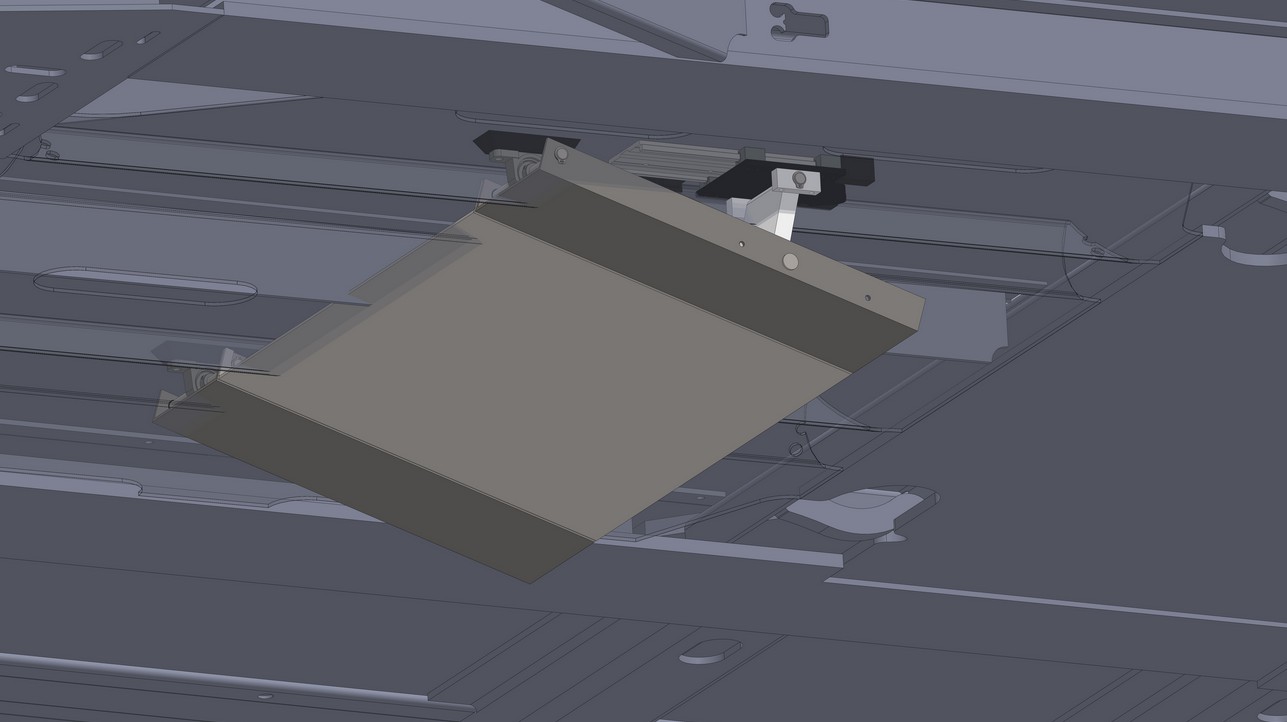
The future of truck freight transport is the focus of the research project STAFFEL, which aims to implement a cross-company relay transport system using artificial intelligence. From September 21 to 24, 2023, FIR at RWTH Aachen, MANSIO GmbH, PEM Motion GmbH, and the German Institute for Standardization e. V. (DIN) will present the content and results of STAFFEL at NUFAM in Karlsruhe.
(Aachen/Karlsruhe) In Hall 4, Stand C316, the project partners will demonstrate how data-driven solutions can optimize truck freight transport for shippers, transport companies, and drivers. A special highlight is the first presentation of the “Smart Lock,” the prototype of a smart locking system. It is designed to protect parked, unattended trailers at the handover point from theft or mix-ups.
For many years, the pressure on the logistics industry, especially in road freight transport, has been growing. Increasing traffic volumes, high fuel and operating costs, climate protection regulations, and labor shortages demand innovative solutions to secure competitiveness in the future. This is where the research project STAFFEL comes in, developing an AI-supported internet platform for cross-company relay transport. It aims to reduce truck transport costs and times, increase vehicle utilization, avoid exceeding driving times and CO2-intensive search traffic for parking, and make working conditions for drivers more attractive.
Breaking Long Transport Routes into Segments
In relay transport, long transport routes are broken down into segments to either hand over the semi-trailer at defined transfer points or to change the carrier. The solution developed in the STAFFEL research project uses AI algorithms to segment routes and forward them to a network of regional carriers via a driving time marketplace. Communication between freight forwarders and carriers is based on real-time data, such as traffic and infrastructure, allowing routes to be optimized according to demand. Long transport interruptions due to rest periods become unnecessary, as do the daily searches for parking spaces, which often lead to CO2-intensive search traffic and exceedances of driving times.
Truck transports can be processed up to one third faster. Shippers benefit from a fast, secure, and CO2-reduced transport of their goods, transport companies optimally utilize their vehicles, and relieve their drivers, who have more opportunities to stay at their home location or return there on the same day during partial routes: To secure the trailer against theft throughout the entire journey, an IoT-based technology is used. The locking system ensures a secure, even asynchronous, handover of the semi-trailers. Under the name “Smart Lock,” PEM Motion GmbH developed the first prototype in the project, which will be presented for the first time at NUFAM. The permanently installed module is keyless, can be integrated into the trailer telematics software, and is operated via a separate app via Bluetooth and mobile network. A security concept ensures that only authorized users, regardless of their own location, can access the respective trailers. The module is installed once under the trailer and can then be securely controlled via app or browser. This eliminates the time required for drivers to manually secure the trailer. Not least in light of the high crime rate in freight transport, the research partners see numerous applications for the system, such as in oncoming traffic, fleet management, combined transport, or trailer rental.
Funding by the BMVI
The research project STAFFEL is funded by the Federal Ministry of Transport and Digital Infrastructure (BMVI), with TÜV Rheinland as the project sponsor. The consortium includes FIR at RWTH Aachen as the leading institute, MANSIO GmbH, PEM Motion GmbH, and the German Institute for Standardization (DIN) e. V.
Photo: © FIR