



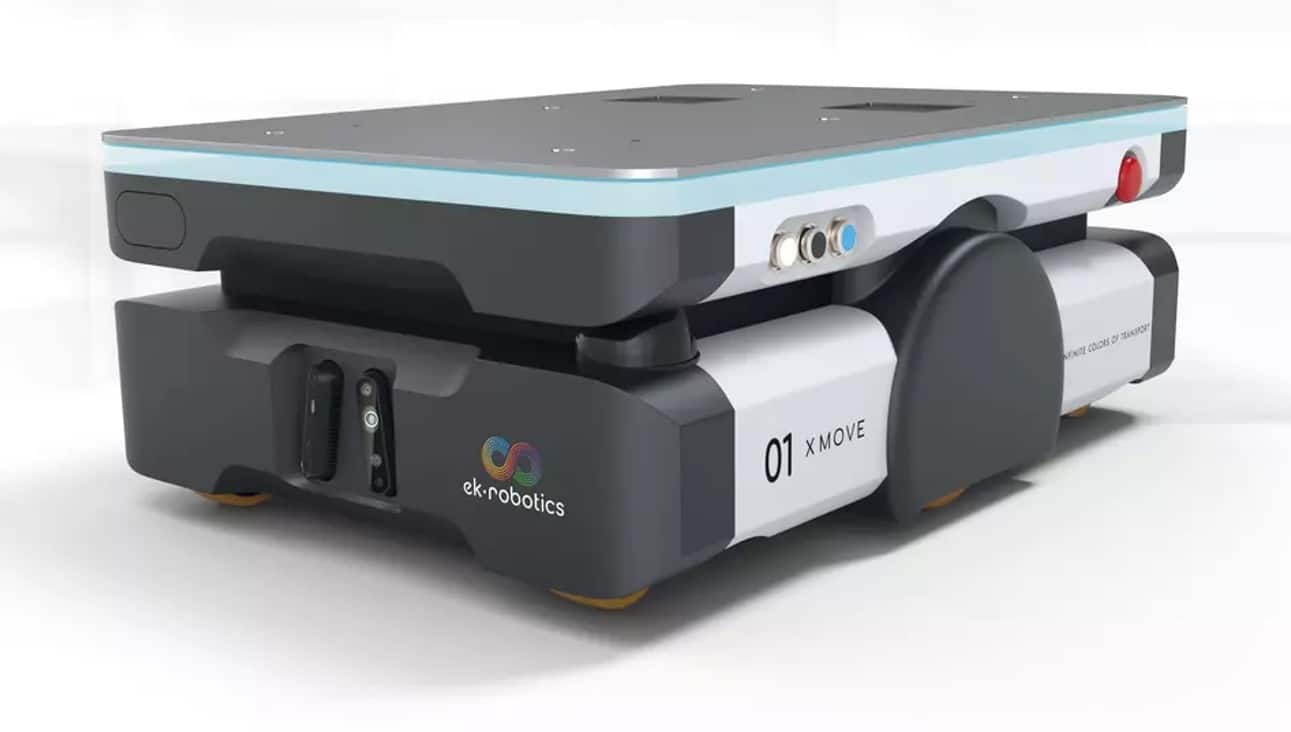
World Premiere from ek robotics Combines the Best of Two Worlds
Jun 23, 2022 at 1:19 PM
HOYER Offers Full Service for Hydrogen Supply
Jun 23, 2022 at 1:38 PM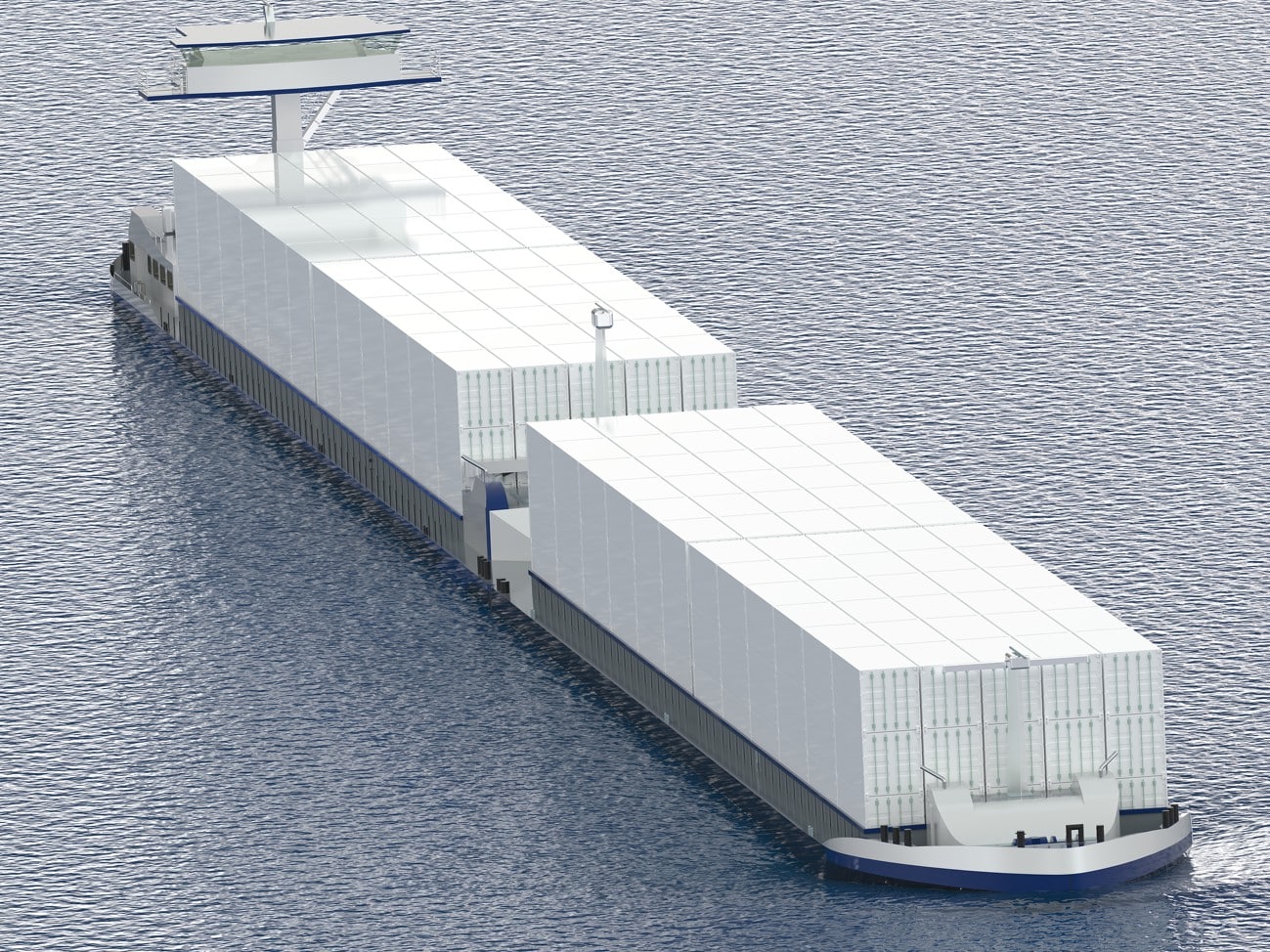
With the sustainable inland shipping towing units Rhenus Mannheim I+II and Rhenus Wörth I+II, Rhenus PartnerShip is investing in the future of the entire shipping industry and relieving the environment by using alternative fuels. The million-euro project combines all the technical innovations that are currently possible in inland shipping.
With the signing of the contract in June, the construction phase for the towing units Rhenus Mannheim I+II and Rhenus Wörth I+II officially began. The new, low-emission flagships of the Rhenus fleet are being built at the Dutch shipyard Den Breejen. The completion of the hybrid ship complexes is planned for September 2023, with the first test drives scheduled for the following month.
The ship units consist of a motor vessel and up to three push barges. The ship formations are extremely capable and allow for flexible loading volumes. Thanks to the good trim position through weight distribution and a novel propulsion concept, the ships are ready for operation with a draft of just 1.20 meters. This means that the towing units can operate without issues even in low water, thereby increasing unloading optimization. With the innovative ship design, Rhenus significantly reduces weight: the hull weight of the cargo ship is reduced to 510 tons, while the push barge weighs in at 390 tons.
Completely New Propulsion Concept
The first Rhenus ship of the new type class, Rhenus Mannheim I+II, features a completely new propulsion concept consisting of a hydrogen-based fuel cell, a scalable and durable lithium-ion battery, and state-of-the-art generators. An electric motor drives the ship’s shaft. The ship can also be operated via remote control. Rhenus Wörth I+II also relies on a hybrid drive consisting of batteries and Stage V engines. The ship can be retrofitted to use fuel cells. “In our new build, we are utilizing all available innovations. We want to not only take a step forward but to lead the way in sustainability,” reports Thomas Kaulbach, Managing Director of Rhenus PartnerShip. Technicians monitor the fleet’s performance via remote diagnostics service – including engine performance, fuel consumption, and emission values. Thanks to continuous data transfer, rapid remote maintenance of the engines from land is possible. The hybrid combination of propulsion technologies reduces pollutant emissions by up to 72 percent CO2 and NOx.
Realization Without Government Funding
Rhenus is realizing the large project in the maritime business sector entirely without government funding. “Two years ago, we conducted a feasibility study and began planning. The time is now definitely ripe for the implementation of our forward-looking innovative solution for inland shipping. We are seriously committed to making the entire Rhenus Group climate-neutral,” explains Dirk Gemmer, Managing Director of Rhenus Transport. Since the hull of an inland ship typically remains in service for 30 to 90 years, investing in sustainable propulsion models in cargo shipping is extremely sensible. With this million-euro project, Rhenus is significantly expanding its inland shipping fleet and setting sail towards sustainability. An official ship christening is planned for the inauguration of both towing units.
Photo: © Rhenus