





GOVECS Expands with E-Scooter FLEX DELIVERY to the USA
Feb 23, 2022 at 6:10 PM
Vanessa Klonnek and Steffen Renner New Management at ELVIS
Feb 24, 2022 at 9:57 AM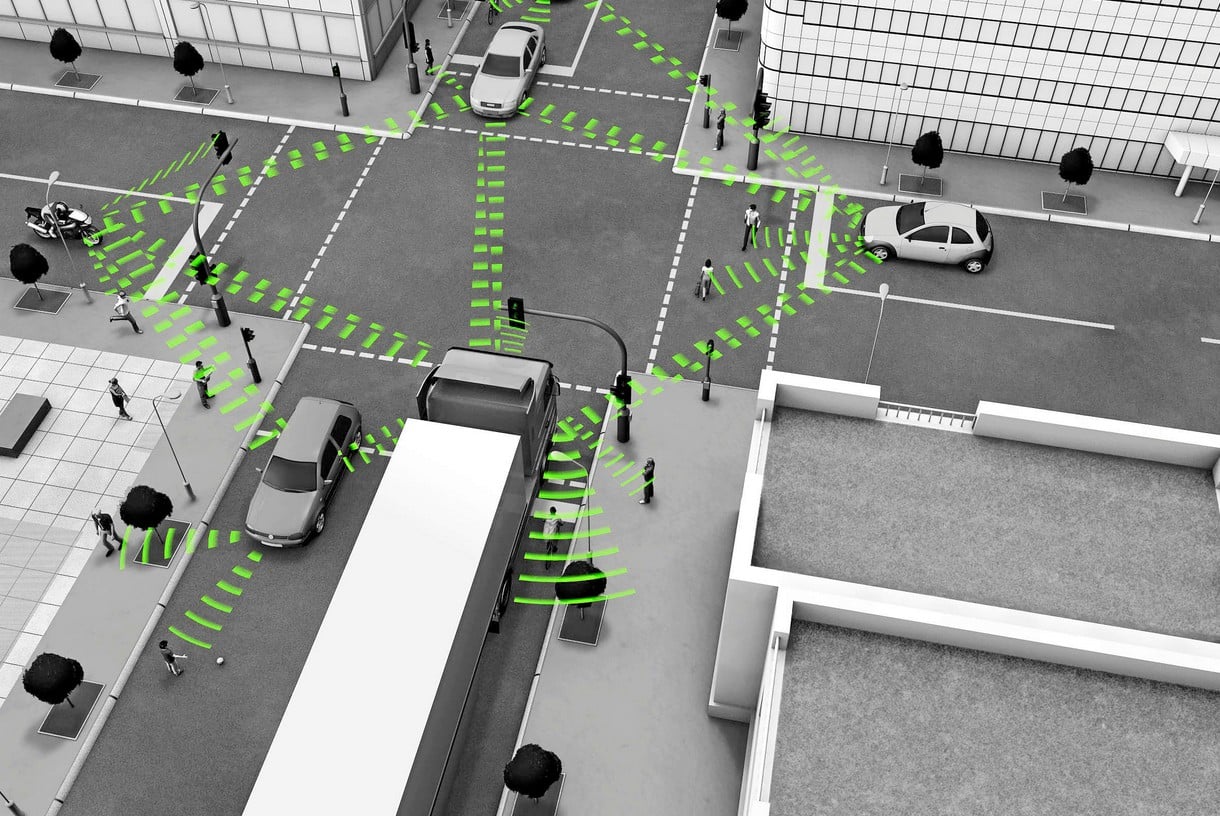
Connected Vehicles: EU Legislation Must Also Cover Data for Sovereign Tasks. The European Traffic Police Network ROADPOL, the European Association for Accident Research and Accident Analysis EVU, and the global market leader in vehicle testing DEKRA welcome the draft of the European Commission for the so-called Data Act. It establishes fundamental principles for access to and use of data generated and collected by products.
(Stuttgart) At the same time, experts demand sector-specific regulations for data use in the automotive sector. For them, it is crucial that these regulations also cover access to data needed for sovereign activities such as accident analysis, vehicle testing, and law enforcement.
- DEKRA CEO: Regulations needed for more than just business-to-business issues
- ROADPOL, EVU, and DEKRA demand sector-specific regulations
- Data Act draft establishes important principles
“Sector-specific legislation must not only address business-to-business issues,” says DEKRA CEO Stefan Kölbl. “Sovereign tasks must definitely be included. Access to the relevant data is essential so that police and law enforcement agencies, vehicle monitors, and accident analysts can continue their important work as vehicles become increasingly automated and connected. This is in the interest of consumers.”
Recording Accident Circumstances Without Present Drivers
“European traffic police have, beyond their core task of traffic monitoring, the important responsibility of determining accident causes. More and more automated vehicles on European roads also impact the recording of traffic accidents,” says ROADPOL President Volker Orben. “There are no drivers who can provide information about the circumstances of the accident. Therefore, the police – possibly with the support of external experts – need reliable and regulated access to the digital data generated in the vehicles. The collection and evaluation of the data is a prerequisite for the sovereign decision on who caused a traffic accident, and thus the basis for criminal and civil consequences.”
“For the purposes of accident research and also for the clarification of traffic accidents, data generated in vehicles must be stored at neutral trust centers and be accessible to all entitled parties – without restrictions from vehicle manufacturers and system suppliers,” says EVU President Jörg Ahlgrimm. “Soon we will need, for example, the ability to clarify whether at a specific time the user or an automated system was operating the vehicle. Authorities need easy and quick access to the relevant data in such cases. The availability of data at a neutral location becomes particularly significant when it comes to potential errors of automated systems as causes of traffic accidents.”
Checking the Correct Function of Vehicle Systems
The same applies to the area of vehicle testing, where DEKRA is the global number one with 27 million vehicle tests annually in 23 countries. “The task of vehicle monitoring is to ensure that vehicles are safe and environmentally friendly throughout their entire lifecycle. This must also cover functions that can potentially be altered by a software update,” emphasizes the DEKRA CEO. “To check the correct functioning of vehicle systems that depend on software, such as driver assistance systems and automated driving functions, independent access to unaltered and unfiltered vehicle data is crucial.”
At the same time, ROADPOL, EVU, and DEKRA are convinced that consumers using a connected product, such as a vehicle, must know who has access to the generated data, and that any transmission of data should only be possible with the user’s consent – apart from data for sovereign tasks. This is referred to as a user-centered approach. Manufacturers should not have a monopoly on the data.
Well-Thought-Out Framework by Legislators
“To ensure that the mobility of the future is safe, legislators must create a clear, well-thought-out framework for regulated data access and ensure that access is provided under the so-called ‘FRAND’ principles,” says DEKRA CEO Kölbl. The abbreviation stands for the English terms “fair, reasonable and non-discriminatory,” meaning fair, reasonable, and non-discriminatory access.
Photo: © DEKRA