



New Sorting Technology in DHL Parcel Centers for Increased Efficiency
Mar 17, 2021 at 5:34 PMShipping Company Hapag-Lloyd Acquires Africa Specialist NileDutch
Mar 18, 2021 at 5:52 AMThe Federal Association for Materials Management, Purchasing and Logistics e.V. (BME) points out that buyers from the BME community are complaining about missing raw material and material deliveries. They also report increasing strains on their supplier networks. This forces companies to rethink their procurement strategies. Purchasing in Europe is therefore coming back into focus for new supply chains.
(Eschborn) The current Corona crisis complicates global sourcing for German and European buyers. “At the same time, it forces them to rethink their previous procurement strategies,” emphasizes Olaf Holzgrefe, Head of International & Affairs at BME.
The outbreak of the pandemic in Asia led to supplier failures almost overnight last year. As a result, many Western companies are now reviewing their global sourcing activities and want to work more closely with European suppliers in a Local for Local approach in the long term, considering the security of their supply chains.
Tariffs on Goods from China
Since the EU has imposed tariffs on certain goods from China, additional customs difficulties are arising for German and European companies. Holzgrefe states: “It shows that the situation changed by Corona also has repercussions in Asia, and companies here must rethink as well. This is even more pressing as the economy in China is recovering faster than in Europe.” Local for Local has once again become an option for German and European buyers since the outbreak of the Covid-19 pandemic – both in Asia and Europe.
Thanks to their flexible risk management, companies have so far managed the direct impacts of the pandemic relatively well. However, the renewed government-mandated lockdown is driving up pressure in the supply chains. More and more buyers are complaining about missing raw material and material deliveries; some of them are even talking about a shortage economy. The scramble for industrial resources has long begun. Buyers from the BME network reported that they are being informed in letters from their suppliers about possible delivery delays and failures. The result is additional transport and logistics costs.
Supply Chains Remain Stable So Far
Overall, however, the supply chains have proven to be stable so far and have successfully withstood the pandemic. This is also signaled by the IHS Markit/BME Purchasing Manager Index (PMI), which has been significantly above the 50-point growth line for the eighth consecutive month as of February 2021. It is also encouraging that China is once again becoming the locomotive of the world economy. Numerous foreign companies, including several German ones, are benefiting from the recovering economy in the Middle Kingdom. Holzgrefe states: “Many of them are currently achieving record sales in business with the largest economy in Asia and therefore need production materials without end.”
Some BME member companies reported that the Corona crisis is increasingly straining their supplier networks. For example, there are acute delays in the supply of semiconductors in the electrical engineering/electronics sector. The tense situation in the electronics market is leading to completed contracts from some chip manufacturers being regarded as mere “paper” and previously promised deliveries are missing. Industrial metals, granulates, and other production materials and preliminary products, especially from Central and Eastern Europe, Japan, India, and Mexico, are also becoming increasingly scarce.
Supply Issues with Steel
Significant bottlenecks exist in the steel supply chain, causing more and more processing companies to complain about supply issues. Many steelworks reduced their production during the peak of the Corona crisis in 2020 and are now struggling to meet the recovering demand. Buyers are reporting to BME about steel service centers that did not make a single purchase offer in 2020. Therefore, they have been active exclusively in the spot market in the first two quarters of this year. In this market, steel processors can quickly and directly meet their needs.
Not only are there delivery times of several months for additional ordered steel quantities; there are also delays and reduced allocations for already concluded contracts. Given the scarcity in the market, steel prices are currently skyrocketing. These prices are partly far above last year’s levels and are driving up procurement costs for buyers. Initially, flat steel was primarily affected, but the problem is now spreading to products such as wire rod and specialty steels.
Lack of Packaging and Transport Means
From the BME community, it has been reported that many companies are facing massive problems due to the current situation in the packaging industry. The reason: They cannot keep up with their production. This is especially true for brown standard boxes, which are currently in high demand.
Logistics is also causing growing discontent in purchasing, logistics, and supply management. There is a shortage of transport ships and airplanes. Especially in booking freight aircraft, prices are currently skyrocketing. Another annoyance is the increasingly prolonged customs formalities. For example, in Hamburg, these now take about two weeks longer than before Corona. Customs does not have enough staff to quickly clear container goods from the containers.
Additionally, the currently applicable quarantine regulations for trucks are complicating transport and leading to numerous delays. As free capacities are scarce, transport prices are rising sharply. Among all modes of transport, rail is still the most reliable. In contrast, container transports by ship are delayed because many freighters have either been laid up due to Corona, are being held up at borders, or are fully booked. Air freight is not an option, as the extremely high prices currently make it unfeasible for small and medium-sized enterprises. Holzgrefe states: “Many buyers have reacted to the rising transport and freight costs, including the exorbitant rental fees for containers, and have now factored these into their procurement strategies.”
Concerns About Freight Traffic with Great Britain
A major disruptive factor in freight traffic between the EU and Great Britain is Brexit. Buyers, logisticians, and supply managers feel particularly challenged. Some freight forwarders have already capitulated due to difficulties with customs formalities, as these overwhelm their customers. The additional effort due to missing or delayed deliveries and additional freight documents is leading to rising costs.
Holzgrefe concludes by informing that BME is responding to the changing global procurement activities of its member companies and will therefore conduct country trips to Malaysia, Portugal, Italy, and Poland in 2021. In addition, the association will again organize the purchasing initiatives for the Western Balkans and Maghreb in 2021.
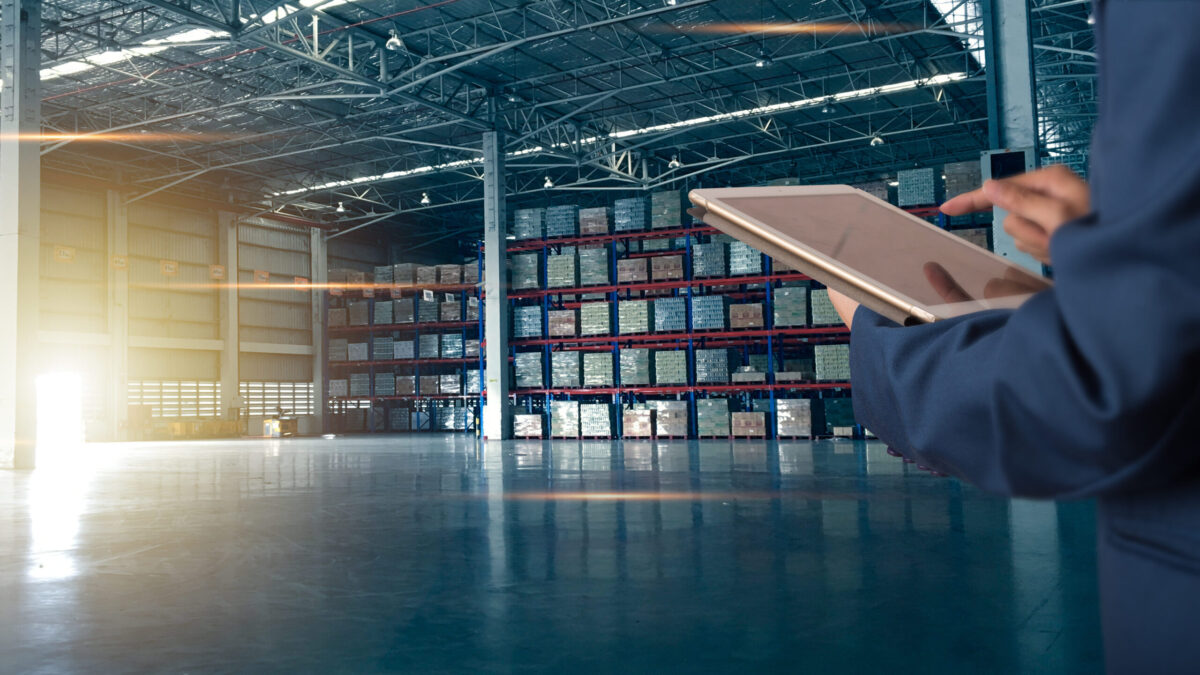
Photo: © pixabay / Caption: The current Corona crisis literally casts a shadow over the global sourcing of German and European buyers.