



Oil pollution disrupts port operations in Antwerp
Apr 10, 2026 at 12:49 PM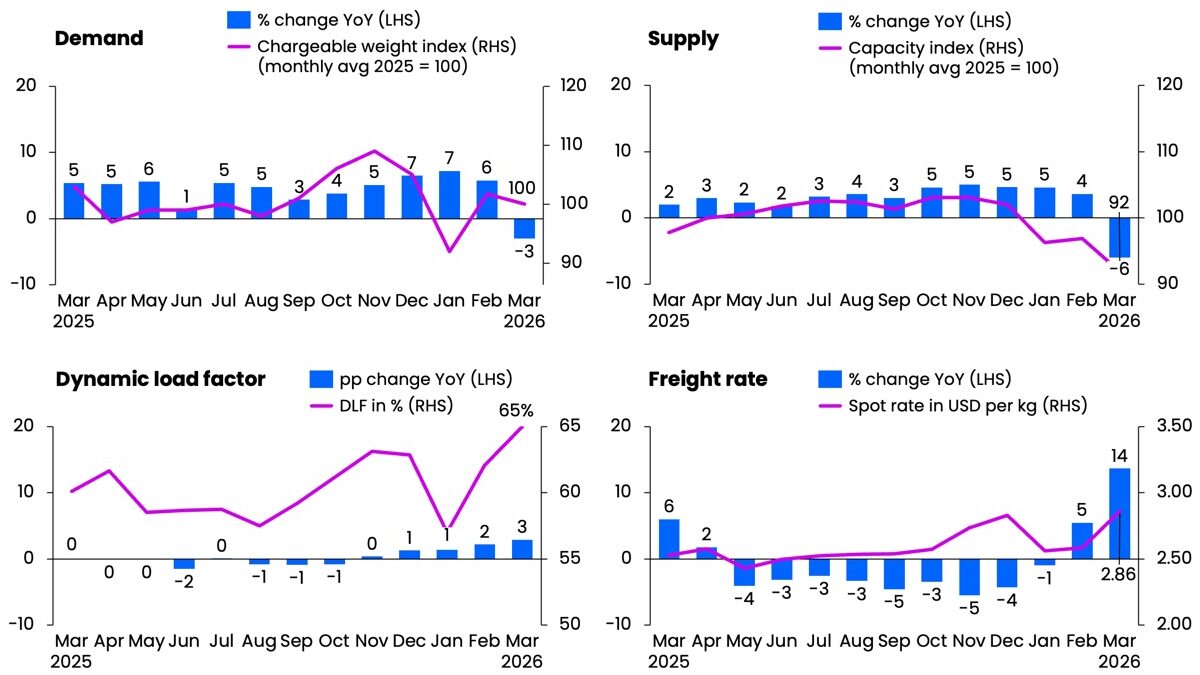
The resilience of the global air freight market is once again under scrutiny as the conflict in the Middle East calls into question the already low growth expectations for 2026. According to an analysis by Xeneta, lessons from past crises provide short-term stability, while shippers, airlines, and freight forwarders await developments in the region and the potential long-term impacts on the global economy.
Historical perspectives and current challenges
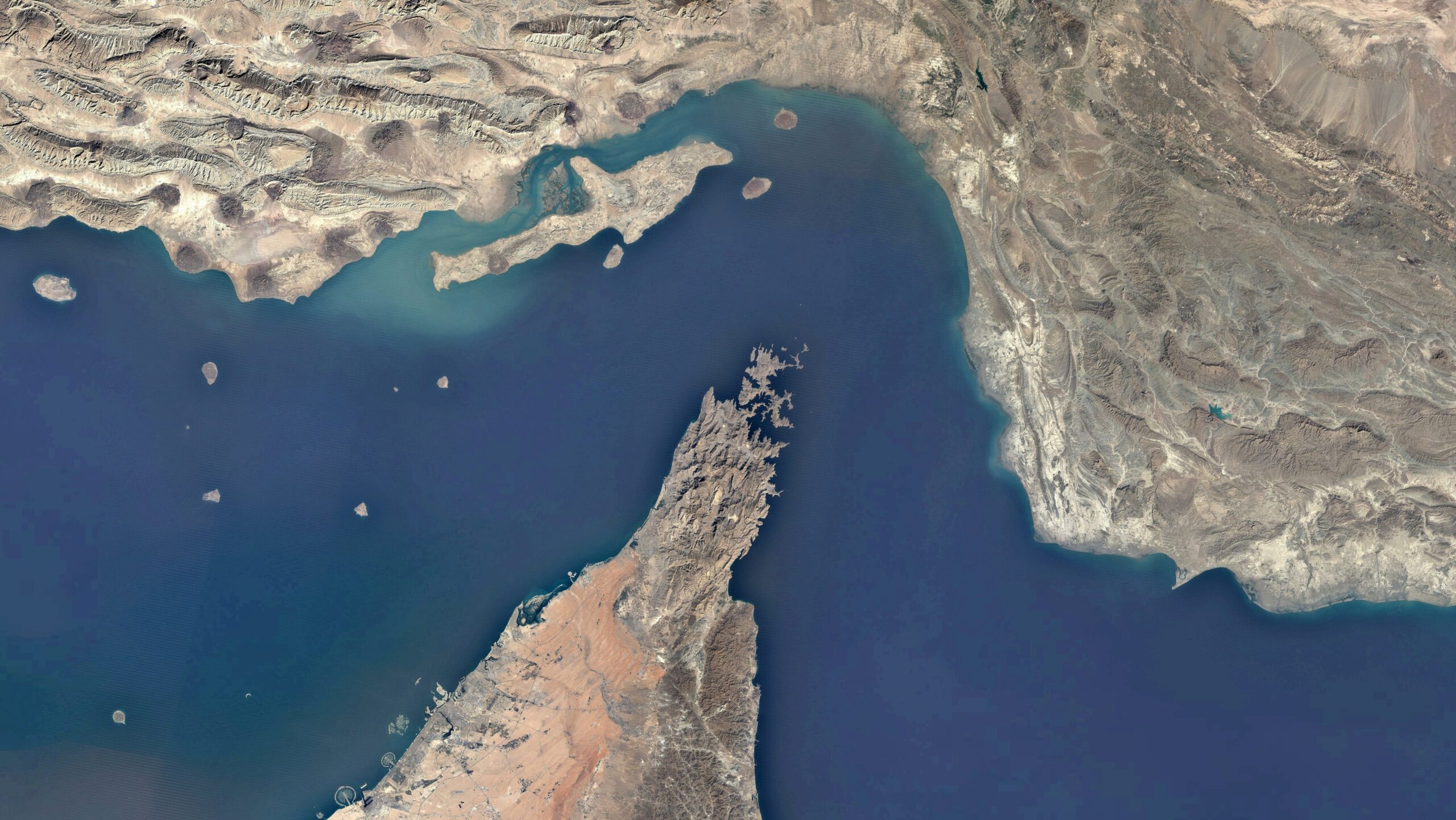
Air freight has historically proven to be a counterbalance during crises in the supply chain, such as during the Covid pandemic or disruptions in the Red Sea. In these instances, air freight stepped in when sea freight traffic stalled. However, the current situation differs from previous shocks, as the ongoing conflict is impacting the aviation and air freight industry more severely than shipping, raising concerns that the worst effects may still be ahead.
Niall van de Wouw, Chief Airfreight Officer at Xeneta, explains: “Typically, we report at the beginning of each month on the performance of the global air freight market over the past four to five weeks. However, it is less relevant right now whether demand fell by 2% or 4% in March when we are on the brink of a global economic crisis.”
Price adjustments and market dynamics
Air freight prices are rising, and there are already signs that the conflict in the Middle East is reshaping global air freight prices. Van de Wouw emphasizes that costs are just one of many variables. “Securing market share and service for customers also play an important role,” he adds.
Rising fuel prices may not immediately dampen demand for air freight, but this could change if the conflict persists. Until then, he expects the air freight industry to continue finding ways to transport goods, “but this will come at a cost.” He highlights that capacities have been shifted to safer airports like Muscat and Jeddah to maintain air freight supply.
Hopes for quick solutions
Players in the air freight sector are pinning their hopes on a swift resolution to the current situation in the Middle East. Cities like Dubai and Doha play a strategic role between America, Asia, and Europe and have served as growth engines for airlines like Emirates, Etihad, and Qatar Airways. However, the geographical advantage has turned into a strategic vulnerability as the hub airports suffer from the conflict.
The impacts are far-reaching. A rise in oil prices has nearly doubled the cost of jet fuel, putting pressure on airlines that are already rerouting or canceling flights due to financial strains. Five weeks after the onset of the conflict, air freight capacity in the region is about 30% below pre-conflict levels, which is reflected in the prices. Global spot rates for air freight exceeded the seasonal peaks of 2025 in March, reaching $2.86 per kg – the highest level since December 2024.
Global impacts and price trends
Negotiations between airlines and freight forwarders in the first quarter of 2026 reflect the dynamics that emerged during the Covid pandemic. In March, the share of global volumes shipped at spot rates rose by three percentage points to 52%, just one point below the level at the beginning of the pandemic.
The effects of price increases are particularly pronounced on the departure corridors from South Asia and Southeast Asia to the Middle East. Spot prices surged by 50-100% in the week ending March 29 compared to four weeks earlier. This price spike reflects a combination of pressure factors: significant capacity shortages due to heavy reliance on airlines in the Middle East, nearly doubled jet fuel costs, and newly introduced war risk surcharges.
“Whether air freight benefits or suffers in the long term depends on the duration of the conflict and its outcomes,” van de Wouw concludes. In March, global air freight demand fell by 3% compared to the previous year, while capacity supply was 6% lower than in March 2025. The dynamic load factor, a measure of capacity utilization, rose to 65%.