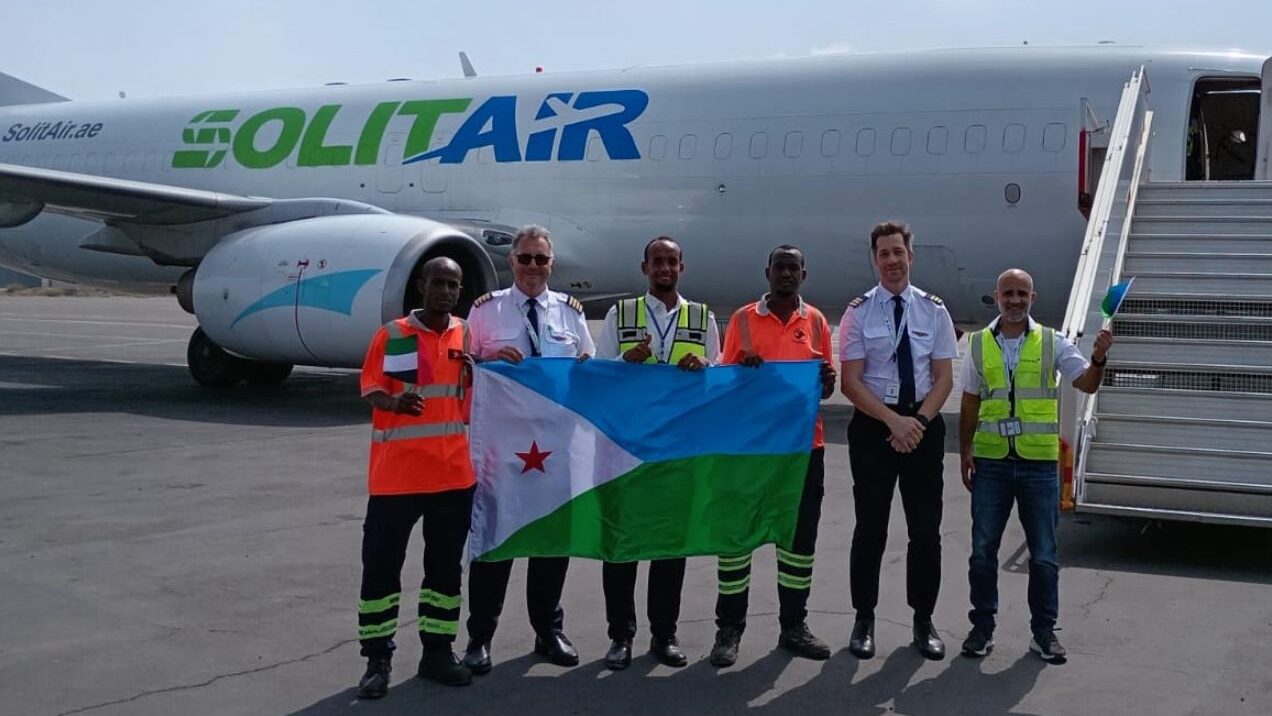



CPaT Global partners with 21 Air
Apr 7, 2026 at 7:53 AM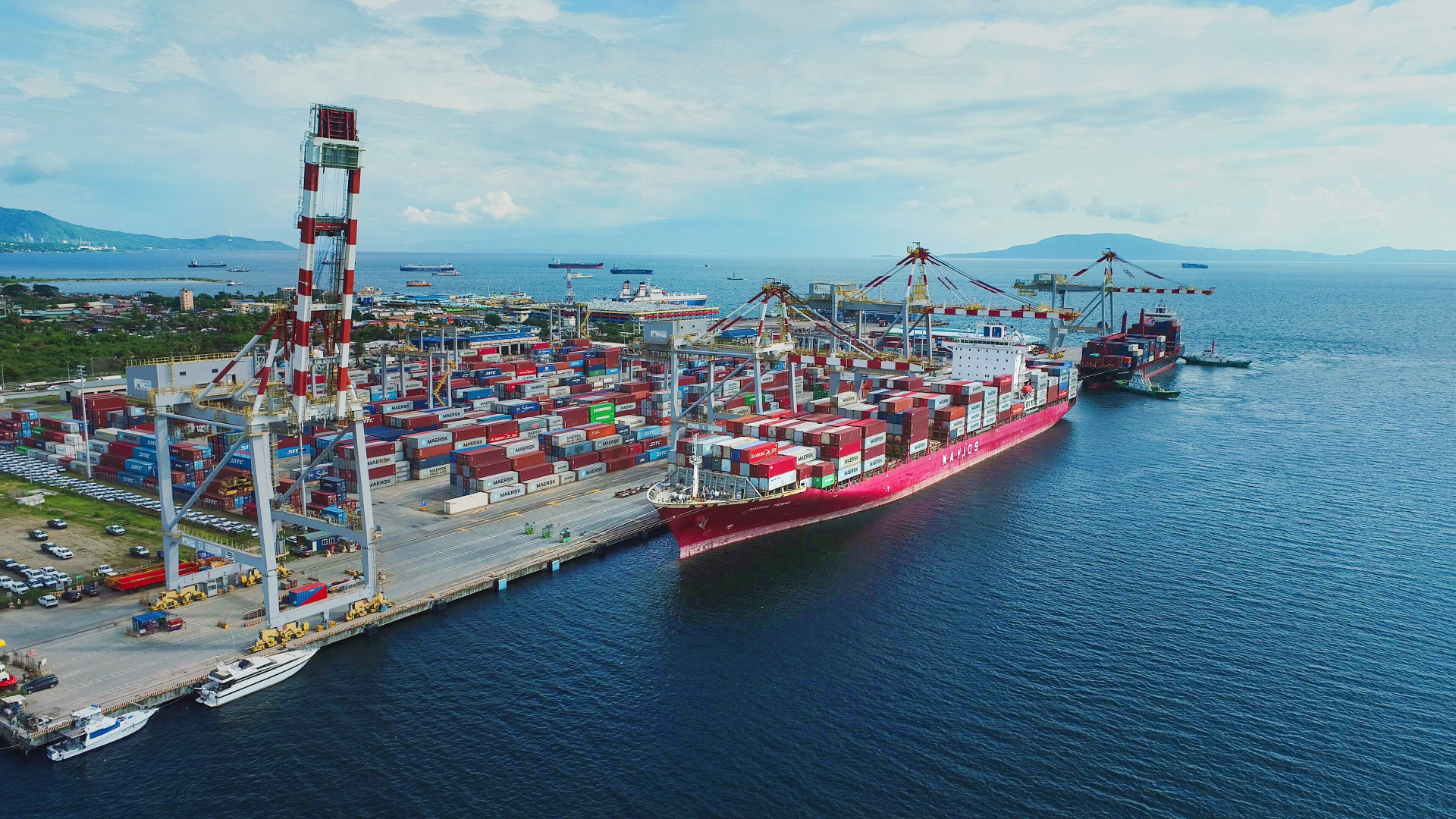
New shipping connection between Japan & Philippines
Apr 7, 2026 at 8:37 AM
The maritime crew service provider Vikand calls for a reassessment of performance metrics in the shipping industry on the occasion of World Health Day (April 7). The company, which specializes in maritime healthcare, advocates for considering the health and well-being of crews as a central key performance indicator (KPI).
Health Metrics as a Basis for Improvements
Integrating health data into KPI frameworks enables shipping companies to proactively monitor and improve crew health. By capturing well-being indicators, companies can gain valuable insights that help reduce illnesses, injuries, as well as emergency evacuations and repatriations. This promotes both safety and operational continuity.
The use of health KPIs allows operators to identify risks early and take action before they escalate. Data from Vikand’s partnerships demonstrate how this approach leads to significant improvements in safety and operational efficiency. However, without systematic measurement, there is no solid foundation for sustainable improvements. Clear and consistent health metrics are crucial for identifying risks, tracking trends, and guiding targeted interventions that deliver measurable results.
An example from Vikand’s OneHealth program shows that a higher rate of eye and hand injuries was observed within a fleet, indicating gaps in compliance with personal protective equipment (PPE) regulations. In response, PPE protocols were reinforced, and targeted safety briefings were introduced, leading to a reduction in preventable injuries and operational disruptions.
Urgency of Health Promotion for Crews
Vikand has found in its collaborations that a high injury rate, even with low evacuations, negatively impacts the well-being, morale, and productivity of crews. Therefore, continuous attention is required to identify and address these underlying issues early. Current data highlight the urgency of prioritizing crew well-being. The Gard Crew Claims Report 2025 shows a 25% increase in fatalities among seafarers between 2022 and 2024 compared to the years 2019 to 2021, while suicides in 2024 exceeded fatal incidents.
Common ailments include fatigue, cardiovascular and gastrointestinal issues, muscular strains, and psychological stress, often caused by irregular working hours and demanding conditions on board. Younger crew members are particularly vulnerable, underscoring the need for proactive support systems.
Global studies demonstrate the operational value of well-being. A survey of over 13,000 seafarers from 154 nationalities and 44 companies found strong correlations between well-being, satisfaction, and conditions on board. The results show that prioritizing well-being improves both employee retention and safety.
The World Economic Forum, together with WTW, emphasizes the importance of measuring human capital as a strategic asset. The focus should shift from viewing employees as a cost factor to recognizing their value for performance and resilience. This is an approach that Vikand has long supported.