



Arvato acquires THINK Logistics in Canada
Mar 16, 2026 at 2:37 PM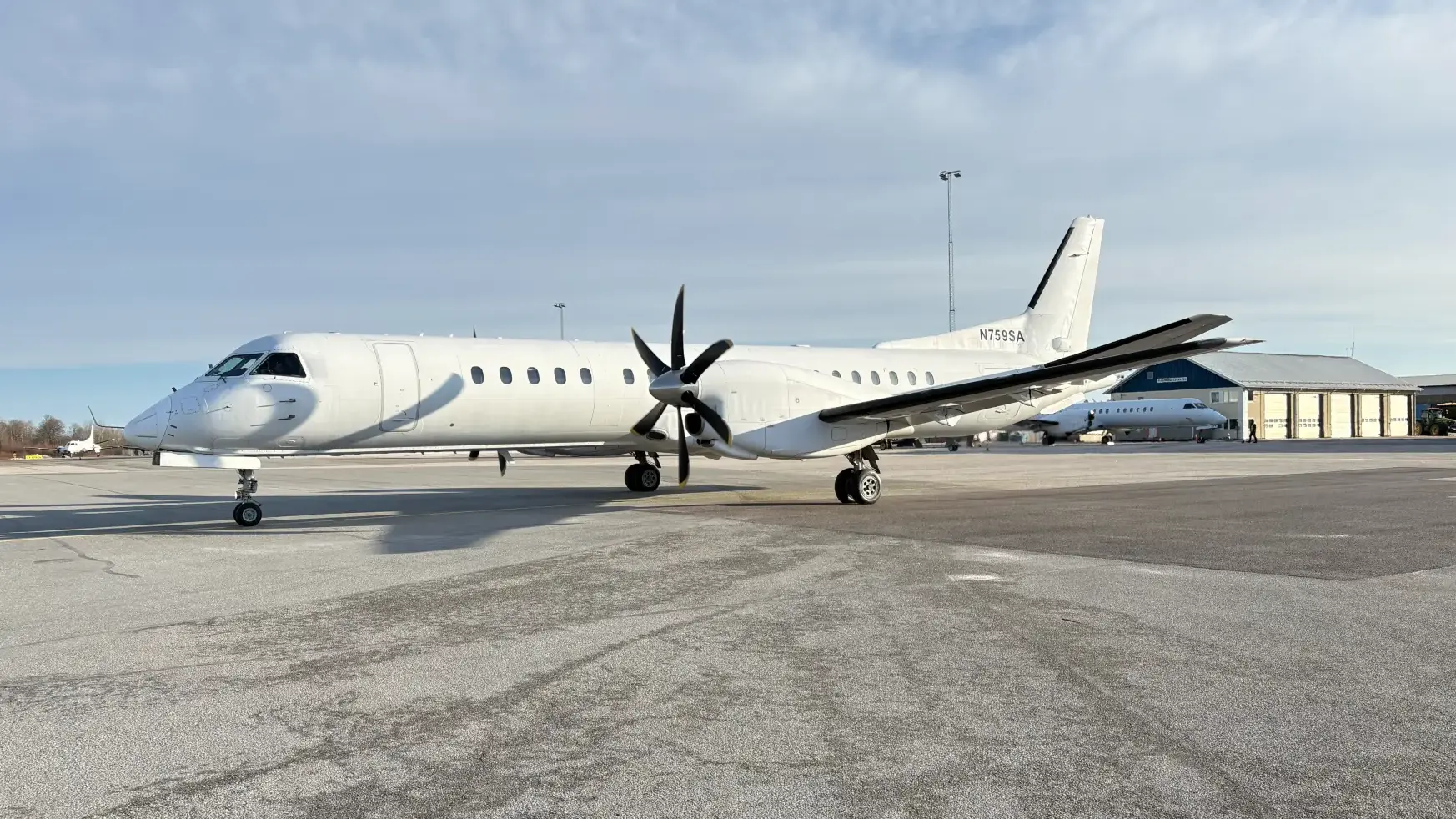
First Saab 2000 delivered to Sterling
Mar 16, 2026 at 3:26 PM
The increasing tensions surrounding Iran and the Strait of Hormuz once again demonstrate how quickly global shipping routes can change, as reported by PortXchange, a maritime technology company based in Rotterdam (Netherlands). The strategically passage transports about one-fifth of the world’s oil supply and is therefore considered a particularly sensitive hub of global trade.
For shipping lines and logistics firms, geopolitical risks have immediate consequences. Even the possibility of escalation leads to route reviews, schedule adjustments and capacity re-planning. Delays of individual vessels can quickly impact ports, terminals and downstream transport chains.
Data and AI are gaining importance
According to industry experts like Sjoerd de Jager, CEO and co-founder of PortXchange, resilience in shipping is increasingly determined by data and artificial intelligence. Modern analytical systems can evaluate vessel movements, historical voyage data, and environmental conditions, thereby creating more accurate arrival forecasts.
In combination with port and terminal data, potential disruption can be identified earlier. Operators can adjust berths, re-plan terminal resources and logistics companies can adapt their transport chains in time.
Reliable information remains essential
However, the effectiveness of such systems heavily depends on the quality of the underlying data. In the maritime industry, information is often dispersed to various actors and systems. Especially during rapid changes, this fragmentation can delay decision-making.
De Jager identifies three key factors for a more resilient shipping industry: reliable operational data, AI-driven analyses and flexible operational processes. Only when these elements work together can ports, shipping lines and logistics firms respond more swiftly to geopolitical disruptions.