



Novelis partners with LINEAS for rail transport
Mar 12, 2026 at 11:47 AM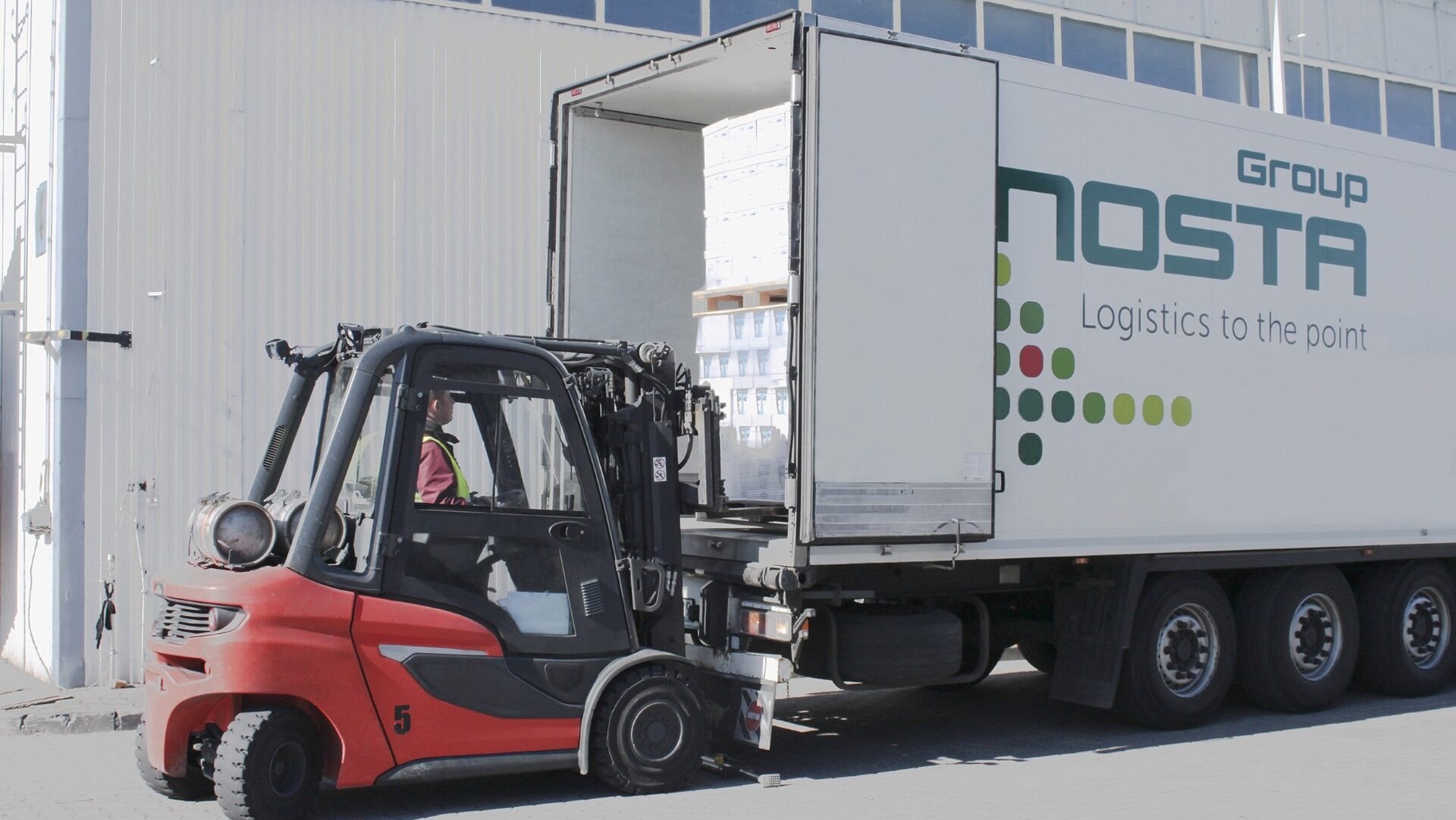
Ropel leads NOSTA’s refrigerated transport team in Poland
Mar 12, 2026 at 1:41 PM
The “DHL Global Connectedness Report 2026” shows that globalisation remains close to record levels despite geopolitical tensions, higher US tariffs and uncertainty over future trade policies.
The report, compiled by DHL and New York University’s Stern School of Business, analyses more than 9 million data points on international flows of trade, capital, information and people. The findings indicate that global economic integration remains stable – despite rising political tensions.
Africa gaining ground in global networks
The report highlights increasing integration across parts of Sub-Saharan Africa. Countries such as Namibia and Mozambique recorded strong long-term improvements in global connectedness, whilst Nigeria and Zambia have achieved notable gains since 2022. The analysis suggests that growing trade flows, investment and cross-border mobility support the region’s stronger presence in international markets.
The report measures connectedness on a scale from zero to 100%. The world recorded a level of connectedness of 25% in 2025, matching the record reached in 2022. This result indicates that cross-border economic flows continue to expand, despite geopolitical uncertainty.
The study also notes that the global economy has not split into rival blocs. Although trade relations between the USA and China have weakened, most countries still maintain diversified partnerships. Only a small share of global trade and investment flows has shifted away from geopolitical rivals in recent years.