



Laura DiBella appointed Chair of the FMC
Feb 10, 2026 at 10:54 AM
Dirk Reich new board member at K2 Mobility
Feb 10, 2026 at 11:22 AM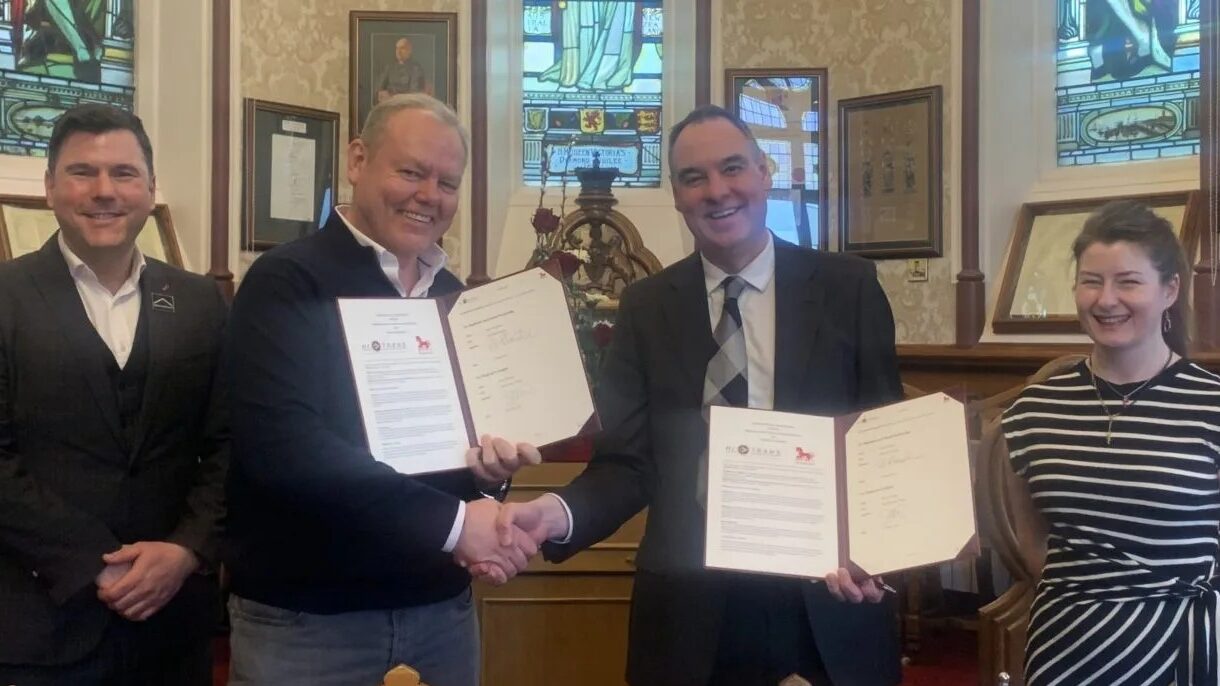
On February 9, 2026, Windracers, a British company specializing in the development and manufacturing of heavy drones, signed a Memorandum of Understanding (MoU) with the Highlands and Islands Transport Partnership (HITRANS). The aim of this agreement is to accelerate the use of air freight drones in some of the most remote regions of the United Kingdom.
The MoU stipulates that Windracers will work closely with HITRANS to identify use cases where unmanned aerial systems (UAS) can provide social, economic, and ecological benefits for the population and businesses in the Highlands and Islands of Scotland. This partnership is made possible through the ongoing support of Innovate UK, whose Sustainable Aviation Test Environments (SATE) program has brought Windracers and HITRANS together through a series of funded operations. These demonstrations aim to showcase how UAS freight transport can address transportation challenges in remote areas.
Advancements in Air Freight Technology
At the signing of the MoU at the HITRANS headquarters in Inverness, Simon Muderack (2nd from left), CEO of Windracers, expressed optimism about the partnership: “Our collaboration with HITRANS builds on five years of safe ULTRA operations in the Highlands and Islands and on the advancements achieved through the Innovate UK Future Flight Challenge.” Muderack emphasized that through close collaboration with local partners, the next step could be taken towards a world-first regularly scheduled commercial autonomous air freight service that complements existing transport and provides sustainable benefits for communities and businesses in the region.
The agreement highlights the shared focus on how autonomous aviation can respond to the specific transport needs of remote and rural areas. Ranald Robertson (2nd from right), Partnership Director of HITRANS, stated: “The Highlands and Islands are uniquely suited for this work, as the region is characterized by dispersed populations and remote rural communities.” He pointed out that the region relies on aviation to access essential services such as employment, education, healthcare, as well as social and recreational activities.
Robertson added that these innovative UAS projects could bring improvements for residents and visitors and revolutionize logistics for businesses and healthcare by bypassing traditional transport bottlenecks. In the future, this could support the rapid delivery of medications, thereby assisting patients, as well as supporting time-sensitive industries such as fishing and aquaculture, where delays can significantly impact product quality and economic viability.